


Does Meso Injection Hurt? Common Misconceptions About Mesotherapy
Contents
- 1 Introduction
- 2 What Is Mesotherapy?
- 3 Does Meso Injection Hurt?
- 4 Pain Control During Meso Injection
- 5 Is It Normal to Feel Sensations After Meso Injection?
- 6 Common Misconceptions About Mesotherapy
- 7 Key Benefits of Meso Injection When Performed Correctly
- 8 Why Choose a Medical-Standard Clinic?
- 9 Suitable Candidates
- 10 Important Notes Before Meso Injection
- 11 How to Care for Skin After Meso Injection
- 12 Frequently Asked Questions
- 13 Call to Action
Introduction
Meso injection is a popular skin treatment because it delivers active ingredients directly into the skin to support hydration, brightening, pigmentation improvement, skin recovery, or rejuvenation depending on the treatment plan.
However, before choosing this treatment, many clients ask the same question: Does Meso injection hurt? Is it dangerous? Does it damage the skin?
In reality, Meso injection may cause mild tingling, but the discomfort is usually minimal. Thanks to ultra-fine needles, proper numbing, and correct injection technique, most clients only feel slight prickling, numbness, or a sensation similar to tiny ant bites during the procedure.
More importantly, for Mesotherapy to be effective and safe, you need to understand the method correctly, avoid common misconceptions, and choose a reputable clinic with medical-standard procedures.
What Is Mesotherapy?
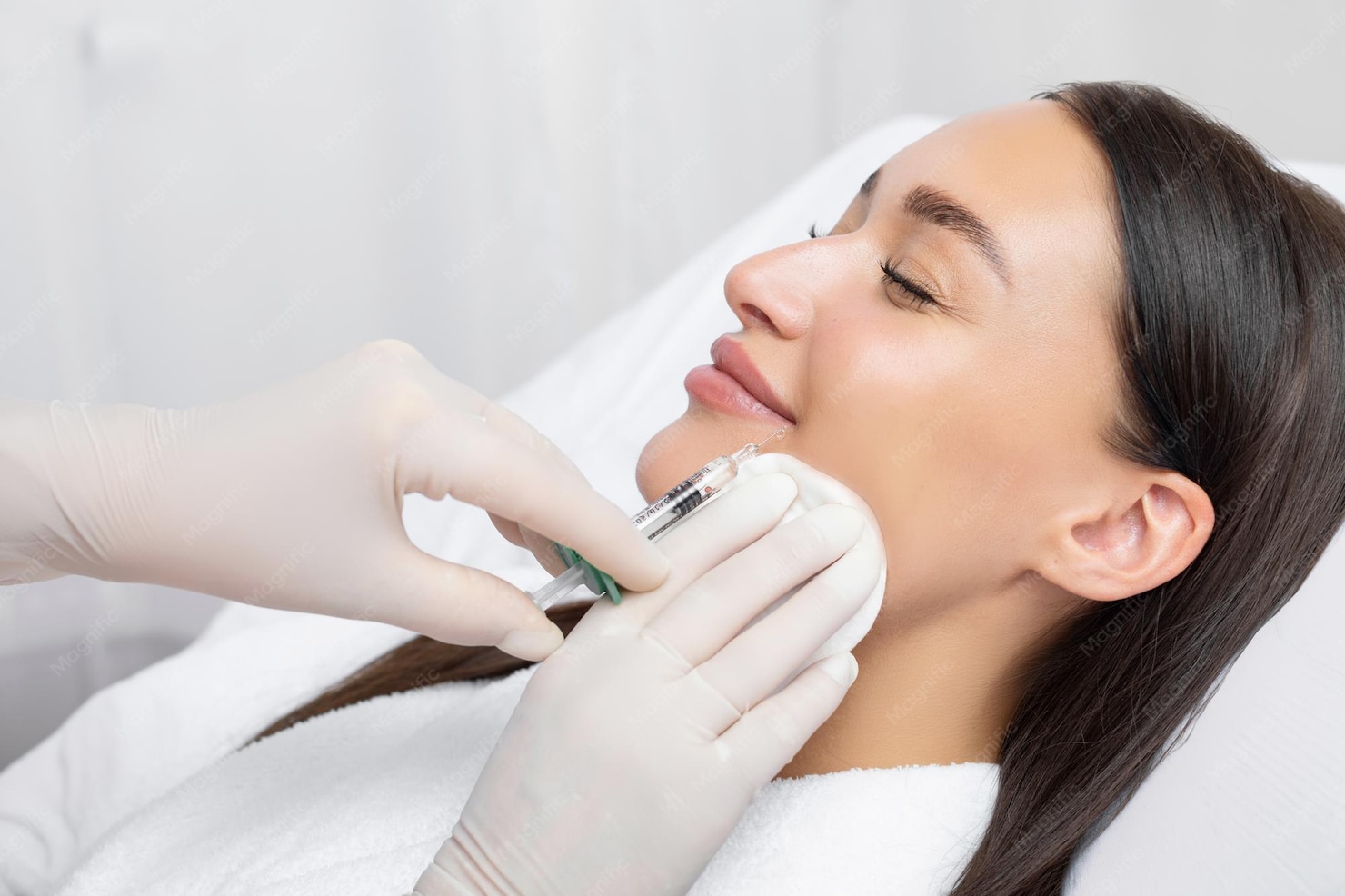
Meso injection, also known as Mesotherapy, is a method of delivering specialized active ingredients into the middle layer of the skin through micro-injections. Depending on the skin condition, doctors may use different ingredients such as HA, vitamins, peptides, PRP, or other formulas designed for pigmentation, recovery, scars, fat reduction, or hair loss support.
Unlike topical skincare that works mainly on the surface, Mesotherapy allows active ingredients to reach targeted skin layers more directly.
Mesotherapy is commonly used for:
- Deep hydration and dry skin improvement
- Brighter and more even skin tone
- Pigmentation and dullness support
- Skin recovery and revitalization
- Improved glow and elasticity
- Hair loss or localized fat reduction support when indicated
However, because needles are involved, this procedure must be performed correctly, under proper indications, and with strict hygiene to reduce risks.
Does Meso Injection Hurt?
The answer is: Meso injection may cause mild discomfort, but it is usually not significantly painful and is tolerable for most clients.
The sensation is often described as:
- Mild tingling
- Slight pinching at some injection points
- A feeling similar to ant bites
- Mild tightness after injection
- Temporary redness or swelling
Ultra-fine needles, usually around 30G–34G, combined with numbing before treatment, greatly reduce discomfort. Clients with good pain tolerance may find the procedure quite comfortable.
Factors That Affect Pain Level
Pain levels vary from person to person and may depend on:
- Individual pain threshold
- Treatment area
- Needle size
- Type of injected active ingredient
- Doctor’s injection technique
- Quality and duration of numbing
Pain Control During Meso Injection
Numbing Before Treatment
About 45–60 minutes before injection, numbing cream is applied to the treatment area. This helps reduce the prickling sensation during the procedure.
Ultra-Fine Needles
Mesotherapy usually uses very small needles, commonly 30G–34G, which help minimize tissue trauma, reduce discomfort, and support faster recovery.
Precise Micro-Injection Technique
The doctor delivers the active ingredients through controlled micro-injections at the appropriate depth. Correct injection depth, dosage, and spacing help reduce discomfort, bruising, and swelling.
Soothing and Recovery After Injection
After the procedure, soothing care may be applied to reduce redness, tightness, and irritation while helping the skin recover.
Is It Normal to Feel Sensations After Meso Injection?
After the numbing effect fades, the skin may experience:
- Mild redness
- Tingling
- Slight swelling at injection points
- Mild tightness
- Small bruises in sensitive areas
These are common temporary skin reactions and usually improve within 24–72 hours, depending on individual skin response and aftercare.
However, if you experience prolonged swelling, unusual heat, pus, hard lumps, or signs of infection, contact your clinic or doctor promptly.
Common Misconceptions About Mesotherapy
Misconception 1: Meso Is a Highly Invasive Treatment That Seriously Damages the Skin
The truth: Mesotherapy is a minimally invasive treatment. The needle creates micro-points at a controlled depth, usually in the middle layer of the skin, to deliver active ingredients.
When performed correctly under sterile conditions, the skin can recover quickly after treatment.
Misconception 2: One Session Gives Permanent Results
The truth: Mesotherapy results are not permanent. Duration depends on:
- Active ingredient used
- Initial skin condition
- Individual metabolism
- Aftercare routine
- Sun protection and lifestyle
- Maintenance sessions
Results may last from several months to about a year depending on the goal. For glowing skin, pigmentation support, or skin recovery, a treatment course and maintenance sessions are usually recommended.
Misconception 3: All Injected Solutions Are the Same
The truth: Meso ingredients vary greatly and must not be used randomly. Different concerns require different formulas.
For example:
- Dry skin may need HA hydration
- Dull skin may need brightening actives
- Aging skin may need peptides or rejuvenating nutrients
- Pigmentation needs pigment-control protocols
- Hair loss or fat reduction requires specific indications
The active ingredient should be selected by a qualified doctor based on actual skin assessment.
Misconception 4: Meso Is Equally Safe Anywhere
The truth: Safety depends heavily on the clinic, practitioner expertise, product quality, and sterile procedure.
Risks such as infection, granulomas, prolonged inflammation, bruising, or abnormal reactions may occur when:
- The practitioner lacks medical knowledge
- Injection technique is incorrect
- Tools are not properly sterile
- Products are not clearly sourced
- Treatment is performed at an unqualified facility
Mesotherapy should be performed at a reputable clinic with medical-standard procedures.
Key Benefits of Meso Injection When Performed Correctly
When properly indicated and performed, Mesotherapy may offer:
- Deep hydration
- Brighter-looking skin
- Improved elasticity
- Skin recovery support
- Personalized treatment for specific concerns
- Minimal downtime
- Better delivery than topical skincare alone
Why Choose a Medical-Standard Clinic?
Although Mesotherapy is minimally invasive, it still requires expertise and safety control. A medical-standard clinic helps ensure proper skin assessment, suitable active ingredients, and reduced risks.
When choosing a clinic, prioritize:
- Doctors or skin specialists with relevant expertise
- Clear consultation and assessment process
- Transparent product origin
- Sterile treatment rooms
- Specific aftercare guidance
- Follow-up support
- Honest advice without exaggerated promises
Clinics with dermatology-oriented standards, such as Oceania Spa & Clinic Ba Son (Ho Chi Minh), are suitable options for clients seeking professional Mesotherapy consultation.
Suitable Candidates
Mesotherapy may be suitable for clients with:
- Dry, dehydrated, dull skin
- Early signs of aging
- Poor elasticity
- Uneven skin tone or pigmentation when indicated
- Skin that needs recovery and revitalization
- Limited improvement from topical skincare alone
Not everyone is suitable for Meso injection. Clients with active skin infection, severe irritation, inflamed acne, pregnancy, or specific medical conditions should consult a doctor first.
Important Notes Before Meso Injection
Keep the Skin Stable
Before treatment, the skin should be healthy, not irritated, peeling, or inflamed.
Stop Strong Actives 3–5 Days Before Treatment
Avoid strong actives such as:
- Retinol
- Tretinoin
- AHA
- BHA
- Peeling products
- Harsh exfoliants
Usually, these should be paused for 3–5 days or as instructed by your doctor.
Avoid Unknown Products
Do not use unknown whitening creams, mixed creams, or unverified products before treatment, as they may weaken the skin and increase irritation risk.
How to Care for Skin After Meso Injection
During the First 24 Hours
You should:
- Wash gently with clean water or a mild cleanser as instructed
- Avoid rubbing the treated area
- Avoid makeup unless approved
- Avoid sauna, facial massage, and heavy exercise
- Avoid dusty or polluted environments
In the Following Days
Focus on:
- Moisturizing and barrier repair
- Soothing care
- Daily sun protection
- Avoiding strong actives until the skin stabilizes
- Contacting the clinic if abnormal reactions occur
Sun protection is especially important for clients receiving Meso for brightening or pigmentation support.
Frequently Asked Questions
Does Meso injection hurt a lot?
No. Most clients only feel mild tingling or slight pinching. Numbing and ultra-fine needles make the procedure more comfortable.
How long does redness last?
Redness, swelling, or tingling usually improves within 24–72 hours.
Is downtime required?
Usually, long downtime is not required. However, gentle skincare and sun protection are important.
How soon can I see results?
Some clients notice improved hydration and glow within a few days. Pigmentation, recovery, or rejuvenation goals may require a longer treatment course.
Is one session enough?
Not always. Many skin concerns require multiple sessions and maintenance treatments.
Call to Action
Meso injection is not as frightening as many people think. The discomfort is usually mild and can be well controlled with numbing and proper technique.
If you are wondering whether Meso injection hurts, whether your skin is suitable, or which active ingredient is best for your concern, book a consultation with specialists at Oceania Spa & Clinic Ba Son (Ho Chi Minh).
Schedule your skin assessment today to receive personalized Mesotherapy advice and a safe, professional treatment plan.