


Contents
Introduction
Mixed creams are often promoted with attractive claims such as “instant whitening,” “fast acne clearing,” or “smooth skin in just a few days.” However, behind these quick results may be serious skin damage, especially when the product contains corticosteroids or unregulated ingredients.
At first, the skin may appear brighter, smoother, and less inflamed. But over time, the skin barrier becomes weakened, the skin becomes thinner, more sensitive, red, stinging, prone to pustules, and visible blood vessels may appear. These are common signs of corticosteroid-damaged skin caused by mixed creams.
If you are experiencing thin skin, redness, burning, visible capillaries, or acne flare-ups after stopping a mixed cream, early professional assessment is essential. At Oceania, clients receive skin analysis, condition evaluation, and a personalized recovery plan.
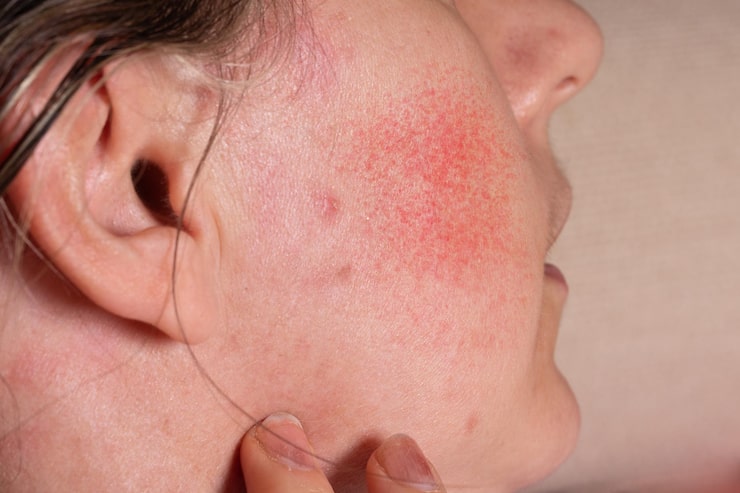
What Is Corticosteroid-Damaged Skin?
Corticosteroid-damaged skin occurs when corticosteroid-containing products are used for a long time or without medical supervision. Corticosteroids may suppress inflammation quickly, making the skin look better temporarily, but prolonged misuse can weaken the skin structure and damage the natural protective barrier.
Unregulated mixed creams may contain corticosteroids, bleaching agents, harsh exfoliants, or unsafe ingredients. Continuous use can cause the skin to lose its ability to protect itself from sunlight, cosmetics, bacteria, and environmental stressors.
This is not only a cosmetic concern but also a condition that requires proper medical guidance.
Serious Harmful Effects of Mixed Creams
Damaged Skin Barrier
One of the most common effects of mixed creams is the breakdown of the skin’s natural lipid barrier. Once this barrier is damaged, the skin becomes dry, tight, irritated, and more vulnerable to external aggressors.
Common symptoms include:
- Dryness and flaking
- Redness and stinging
- Sensitivity to skincare products
- Irritation from sunlight, dust, or weather changes
- Slow recovery after acne or inflammation
Thin, Weak, Sun-Sensitive Skin
Mixed creams can make the skin appear lighter by thinning the outer layer and suppressing inflammation. However, thinner skin has weaker resistance to UV rays and environmental damage.
This may lead to:
- Faster darkening and pigmentation
- Worsening melasma or freckles
- Post-inflammatory hyperpigmentation
- Burning sensation under sunlight
- Premature skin aging
Visible Capillaries and Facial Redness
When the skin becomes too thin, the blood vessels underneath become more visible, especially around the cheeks and nose.
Signs include:
- Persistent redness
- Red or blue visible veins
- Hot, burning sensation on the cheeks
- Flushing after sun exposure, spicy food, alcohol, or temperature changes
- Uneven skin tone that is difficult to cover with makeup
Acne Flare-Ups After Stopping the Cream
A typical sign of corticosteroid dependency is that the skin appears calm while using the product but breaks out severely after stopping it.
You may experience:
- Red inflamed acne
- Pustules
- Small bumps or blisters
- Itching, burning, or stinging
- Rough, peeling, or irritated skin
- Widespread inflammation
Many people return to the mixed cream because the skin temporarily feels better after reapplying it. However, this can worsen dependency and make recovery more difficult.
Medical Recovery Protocol for Corticosteroid-Damaged Skin
Stage 1: Stop the Mixed Cream and Control Skin Reaction
The first step is to stop using the suspected corticosteroid-containing product. In severe cases, the skin may react strongly after sudden withdrawal, so professional guidance is recommended.
Avoid:
- Harsh exfoliation
- Peeling at home
- Whitening products
- Alcohol-based skincare
- Strong active ingredients
Stage 2: Soothe, Detoxify, and Calm Irritation
At this stage, the priority is to calm redness, burning, and inflammation. The skincare routine should be simple, gentle, and barrier-focused.
The protocol usually includes:
- Gentle cleansing
- Barrier-repair moisturizers
- Soothing masks or recovery care
- Avoiding heavy makeup
- Avoiding fragrance, drying alcohol, and strong actives
Stage 3: Rebuild the Skin Barrier
Once the skin becomes calmer, ingredients that support barrier repair can be introduced.
Recommended ingredients may include:
- Ceramides
- Vitamin B5
- Hyaluronic Acid
- Peptides
- Gentle antioxidants
This stage requires patience because corticosteroid-damaged skin usually takes time to recover.
Stage 4: Strict Sun Protection
Damaged skin is highly vulnerable to UV rays. Without proper sun protection, pigmentation, redness, and post-inflammatory dark spots may worsen.
You should:
- Use broad-spectrum sunscreen daily
- Wear hats, masks, and sunglasses outdoors
- Avoid intense sunlight
- Avoid instant whitening products
- Keep the skin well moisturized
Why Choose Oceania for Corticosteroid-Damaged Skin Recovery?
At Oceania, the recovery approach focuses on medical safety, personalized care, and long-term skin health.
Clients receive:
- Free skin examination and analysis
- Assessment of skin thinning, redness, capillaries, inflammation, and pigmentation
- Personalized recovery protocol
- Transparent consultation with no unexpected examination-related costs
- Advanced skin restoration technologies when appropriate
Who Is This Treatment Suitable For?
This recovery protocol is suitable for clients who:
- Have used mixed creams or unknown whitening creams
- Have thin, weak, easily irritated skin
- See visible capillaries or facial veins
- Experience acne flare-ups after stopping a cream
- Have burning, itching, or stinging skin
- Have pigmentation or dark spots after inflammation
- Have tried home recovery but seen little improvement
FAQ
Can corticosteroid-damaged skin heal on its own?
Mild cases may improve with proper care, but moderate to severe cases should be assessed professionally to prevent worsening inflammation or pigmentation.
Is it dangerous to stop mixed creams suddenly?
Some people may experience redness, itching, acne, or burning after stopping. Severe dependency should be managed with professional guidance.
Can thin skin and visible capillaries improve?
Depending on severity, skin barrier repair, medical skincare, and suitable technologies may help improve the condition.
How long does recovery take?
Recovery time depends on how long the cream was used, the degree of damage, skin response, and home care compliance.
Call To Action
If your skin has become thin, red, irritated, acne-prone, or visibly damaged after using mixed creams, do not continue treating it blindly at home.
Contact Oceania today for a free skin assessment and personalized corticosteroid-damaged skin recovery protocol.