


After Laser, HIFU, Peel, IPL, or other advanced skin rejuvenation treatments, the skin often becomes more sensitive than usual. This is the period when the skin is recovering, renewing itself, and becoming more vulnerable to sunlight, heat, pollution, and unsuitable skincare products.
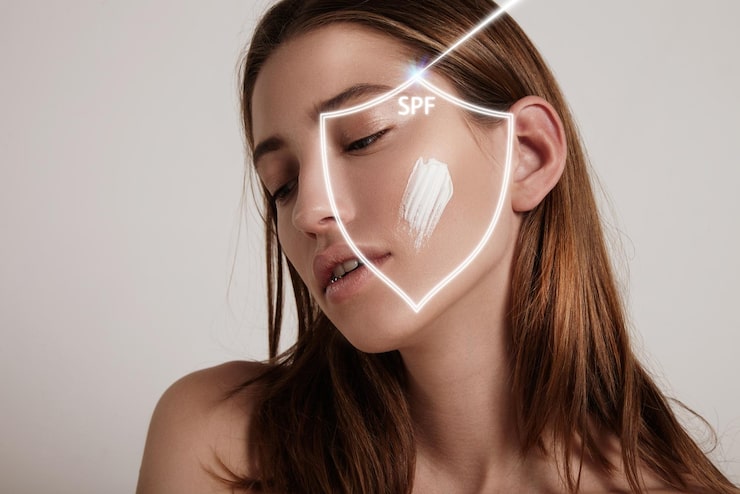
During this stage, sunscreen is not just a normal skincare step. It acts as a protective shield that helps defend the skin against UVA/UVB rays, reduce the risk of pigmentation, minimize post-inflammatory hyperpigmentation, and support the long-term results of treatment.

Contents
- 1 Why Is Skin More Sensitive After Laser, HIFU, Peel, Or IPL?
- 2 What Is Post-Inflammatory Hyperpigmentation?
- 3 Why Sunscreen Is Essential After Advanced Skin Treatments
- 4 What Type Of Sunscreen Should You Use After Laser Or HIFU?
- 5 When Can You Apply Sunscreen After Treatment?
- 6 How To Apply Sunscreen Correctly After Treatment
- 7 Physical Sun Protection Is Still Necessary
- 8 Post-Treatment Skincare Routine
- 9 Common Mistakes That Cause Darkening After Treatment
- 10 FAQ
- 11 CTA: Protect Your Skin And Preserve Your Treatment Results
Why Is Skin More Sensitive After Laser, HIFU, Peel, Or IPL?
Advanced aesthetic treatments work by creating controlled stimulation within the skin. Depending on the method, this stimulation may involve heat, light energy, focused ultrasound, acids, or micro-injuries on the skin surface.
The goal is to activate the skin’s natural repair process, stimulate collagen production, improve pigmentation, even out skin tone, or rejuvenate skin structure. However, during this process, the skin barrier may become temporarily weakened.
1. Controlled Micro-Injuries
Laser, RF, Peel, and some resurfacing technologies may create tiny controlled injuries to trigger the healing process.
This can improve skin renewal, but it also means the skin needs strict protection during the early recovery period.
2. Temporary Weakening Of The Lipid Barrier
The natural lipid barrier helps the skin retain moisture and defend itself against external aggressors. After treatment, this barrier may be disrupted, leading to:
- Dryness.
- Mild redness.
- Tingling.
- Irritation.
- Transepidermal water loss.
- Increased sensitivity to skincare and sunlight.
3. Higher Risk Of UV-Induced Pigmentation
After treatment, new skin cells are actively recovering. If exposed to direct sunlight, the skin may respond by producing more melanin, which can lead to darkening, uneven tone, or deeper pigmentation.
This is why sunscreen and physical sun protection are essential after advanced skin procedures.
What Is Post-Inflammatory Hyperpigmentation?
Post-inflammatory hyperpigmentation, or PIH, refers to dark patches or spots that appear after inflammation, irritation, acne, burns, laser, peel, or other skin trauma.
After advanced aesthetic treatments, PIH may occur when:
- The skin is exposed to sunlight too soon.
- Sunscreen is not used properly.
- Post-treatment care instructions are ignored.
- Scabs or peeling skin are picked.
- Strong active ingredients are used too early.
- The skin is naturally prone to pigmentation.
PIH can take a long time to improve, which is why prevention is much easier than correction.
Why Sunscreen Is Essential After Advanced Skin Treatments
1. It Replaces The Skin’s Weakened Protective Barrier
After Laser, HIFU, Peel, or IPL, the skin may not be as stable as usual. Sunscreen helps create a protective layer on the surface, reducing direct exposure to UV rays and environmental aggressors.
Even brief sun exposure can make treated skin redder, more irritated, or more likely to darken.
2. It Helps Prevent Pigmentation And Darkening
One of the most common risks after aesthetic treatments is post-inflammatory hyperpigmentation. This can make the skin look darker than before treatment and delay visible improvement.
Broad-spectrum sunscreen helps protect the skin against both UVA and UVB rays. UVA is strongly linked to skin aging and pigmentation, while UVB is the main cause of sunburn.
3. It Helps Maintain Rejuvenation Results
After HIFU, Laser, or collagen-stimulating procedures, the skin needs time to remodel and repair. Continuous UV exposure can interfere with recovery and contribute to premature aging.
Proper sunscreen use can help:
- Support stable skin recovery.
- Reduce pigmentation risk.
- Minimize prolonged irritation.
- Maintain a brighter-looking complexion.
- Protect the results of the treatment.
4. It Supports A More Even And Radiant Skin Tone
Without sunscreen, brightening serums, recovery treatments, or pigmentation-focused procedures may become less effective. Sun exposure can stimulate melanin activity, making dark spots, redness, or uneven tone last longer.
What Type Of Sunscreen Should You Use After Laser Or HIFU?
After advanced aesthetic treatments, sunscreen should be gentle, broad-spectrum, low-irritation, and suitable for recovering skin.
Mineral Sunscreen Is Often Preferred
Mineral sunscreens commonly contain:
- Zinc Oxide
- Titanium Dioxide
These ingredients form a protective layer on the skin’s surface and help reflect or scatter UV rays. For post-treatment skin, mineral sunscreen is often preferred because it is generally well tolerated, especially when the skin is red, dry, or sensitive.
Choose Broad-Spectrum SPF 30 Or Higher
Look for products labeled:
- Broad-spectrum.
- SPF 30 or higher.
- PA+++ or higher if using the PA rating system.
- Alcohol-free.
- Fragrance-free.
- Non-comedogenic.
- Suitable for sensitive or post-treatment skin.
When Can You Apply Sunscreen After Treatment?
The right time to apply sunscreen depends on the type of treatment and how much the skin surface has been affected. There is no single timeline that applies to everyone.
After HIFU
HIFU usually does not cause visible peeling or open wounds on the skin surface. In many cases, sunscreen may be used soon after treatment according to professional guidance.
If the skin is only slightly red, gentle sunscreen combined with physical protection is usually recommended.
After Non-Ablative Laser Or IPL
For less invasive light-based treatments, the skin may feel slightly red, warm, or sensitive for the first 24–48 hours. Sunscreen use should follow the provider’s aftercare instructions.
In general, once the skin is no longer hot, stinging, or open, a suitable sunscreen may be introduced.
After CO2 Laser Or Ablative Laser
After CO2 Fractional Laser or stronger resurfacing treatments, the skin may become red, ooze slightly, form crusts, or peel. During this stage, recovery care should be prioritized.
Sunscreen should only be applied when the skin surface has become more stable, usually after crusting improves and redness begins to calm. The exact timing should follow the doctor’s instructions.
How To Apply Sunscreen Correctly After Treatment
1. Use Enough Product
A commonly recommended sunscreen amount is around 2mg per cm² of skin. For the face and neck, this is often estimated as two finger-lengths of sunscreen or an amount similar to a large coin, depending on texture.
Applying too little significantly reduces protection.
2. Apply Gently
Post-treatment skin is easily irritated. Dot the sunscreen across the face and spread it gently with your fingertips.
Avoid rubbing, dragging, or using cotton pads aggressively.
3. Reapply Every 2–3 Hours When Needed
If you are outdoors, sweating, swimming, traveling, or exposed to strong light, reapply sunscreen every 2–3 hours.
Even indoors, sunscreen may still be needed if you sit near windows or frequently move in and out of sunlight.
4. Do Not Forget The Neck, Ears, And Jawline
Commonly missed areas include:
- Neck.
- Ears.
- Jawline.
- Temples.
- Back of hands.
- Recently treated areas.
These areas can darken if left unprotected.
Physical Sun Protection Is Still Necessary
Sunscreen is essential, but it is not the only form of protection. After advanced aesthetic treatments, physical protection should also be used.
Recommended protection includes:
- Wide-brim hat.
- Sunglasses.
- Clean face mask.
- Soft sun-protective clothing.
- Umbrella.
- Avoiding strong sunlight from 10:00 AM to 4:00 PM.
After Laser, Peel, or IPL, you should avoid beach trips, sunbathing, sauna, steam rooms, or intense outdoor activity while the skin is still recovering.
Post-Treatment Skincare Routine
Morning Routine
- Cleanse with cool water or a gentle cleanser.
- Apply a recovery serum such as HA, B5, or a prescribed product.
- Apply a repair moisturizer if the skin feels dry.
- Apply broad-spectrum sunscreen SPF 30 or higher.
- Use physical protection when going outside.
Evening Routine
- Cleanse gently.
- If sunscreen was used, remove it with a gentle cleanser or makeup remover once the skin is stable enough.
- Apply hydrating and repairing serum.
- Use a moisturizer with B5, ceramides, or soothing ingredients.
- Avoid retinol, AHA/BHA, high-strength vitamin C, or exfoliation until the skin fully recovers.
Common Mistakes That Cause Darkening After Treatment
Skipping Sunscreen Because You Stay Indoors
UVA can pass through clouds and windows to some extent. If you sit near a window, drive often, or go outside briefly, your skin may still be affected.
Applying Sunscreen Only Once In The Morning
Sunscreen can wear off due to sweat, oil, masks, and friction. Reapplication is necessary when exposed to sunlight for long periods.
Using Strong Actives Too Soon
Many people want faster results and start using acids, retinol, or strong brightening serums too early. This can cause irritation, prolonged redness, and higher pigmentation risk.
Picking Scabs Or Peeling Skin
After ablative laser or peel, scabs and peeling may occur. Never pick them, as this can cause dark spots, scars, or infection.
Not Moisturizing Enough
Dry skin recovers more slowly and becomes more reactive. Moisturizing is an important step in restoring the skin barrier.
FAQ
How soon can I apply sunscreen after laser?
It depends on the type of laser. For non-ablative or mild treatments, sunscreen may be used after 24–48 hours if the skin is stable. For CO2 or ablative lasers, follow your doctor’s guidance and wait until the skin surface is safer to apply products.
Do I need sunscreen after HIFU?
Yes. HIFU may not cause peeling, but the skin can still be more sensitive after treatment. Sunscreen helps protect the skin and maintain rejuvenation results.
Should I use mineral or chemical sunscreen after treatment?
Mineral sunscreen is often preferred for sensitive or recovering skin. However, the best choice depends on your skin condition, treatment type, and professional advice.
Do I need sunscreen indoors?
Yes, especially if you sit near windows, work in bright light, or move outdoors frequently. Treated skin needs extra protection.
Can I go to the beach after laser?
You should not go to the beach immediately after Laser, Peel, or IPL if your skin is red, peeling, crusting, or sensitive. Sun, heat, seawater, and friction may irritate the skin and increase pigmentation risk.
What happens if I do not use sunscreen after laser?
The skin may be more likely to develop dark spots, uneven tone, prolonged redness, or reduced treatment results.
CTA: Protect Your Skin And Preserve Your Treatment Results
Laser, HIFU, Peel, and IPL can help improve the skin, but the final result depends greatly on aftercare.
Among all post-treatment steps, sunscreen is non-negotiable.
If you have recently had an advanced aesthetic treatment and are unsure which sunscreen to use, when to apply it, or how to build a recovery routine, book a professional consultation.
Proper post-treatment care today helps protect healthier, brighter, and longer-lasting skin tomorrow.
Book your consultation
Book your consultation at Oceania Spa & Clinic Ba Son today and experience safe, advanced skin lifting technology for firmer, younger-looking skin.
We are located at the heart of Saigon ward, Ho Chi Minh City.