


Contents
- 1 Introduction
- 2 What Is Laser CO2 Fractional?
- 3 The Advanced Mechanism of Laser CO2 Fractional
- 4 Why Is Laser CO2 Fractional Considered the “Gold Standard” for Acne Scar Treatment?
- 5 Medical-Standard Acne Scar Treatment Process with Laser CO2 Fractional
- 6 Important Tips to Optimize Treatment Results
- 7 Who Is Suitable for Laser CO2 Fractional?
- 8 Frequently Asked Questions (FAQ)
- 9 Call to Action (CTA)
Introduction
Acne scars and atrophic scars not only affect appearance but can also reduce confidence in daily communication and social activities. Although many people try various skincare products and treatments, not every solution can effectively target the deeper layers of damaged skin tissue.
In modern aesthetic dermatology, Laser CO2 Fractional is considered one of the most widely used technologies for acne scar treatment due to its ability to stimulate tissue regeneration and support skin improvement through the body’s natural healing process.
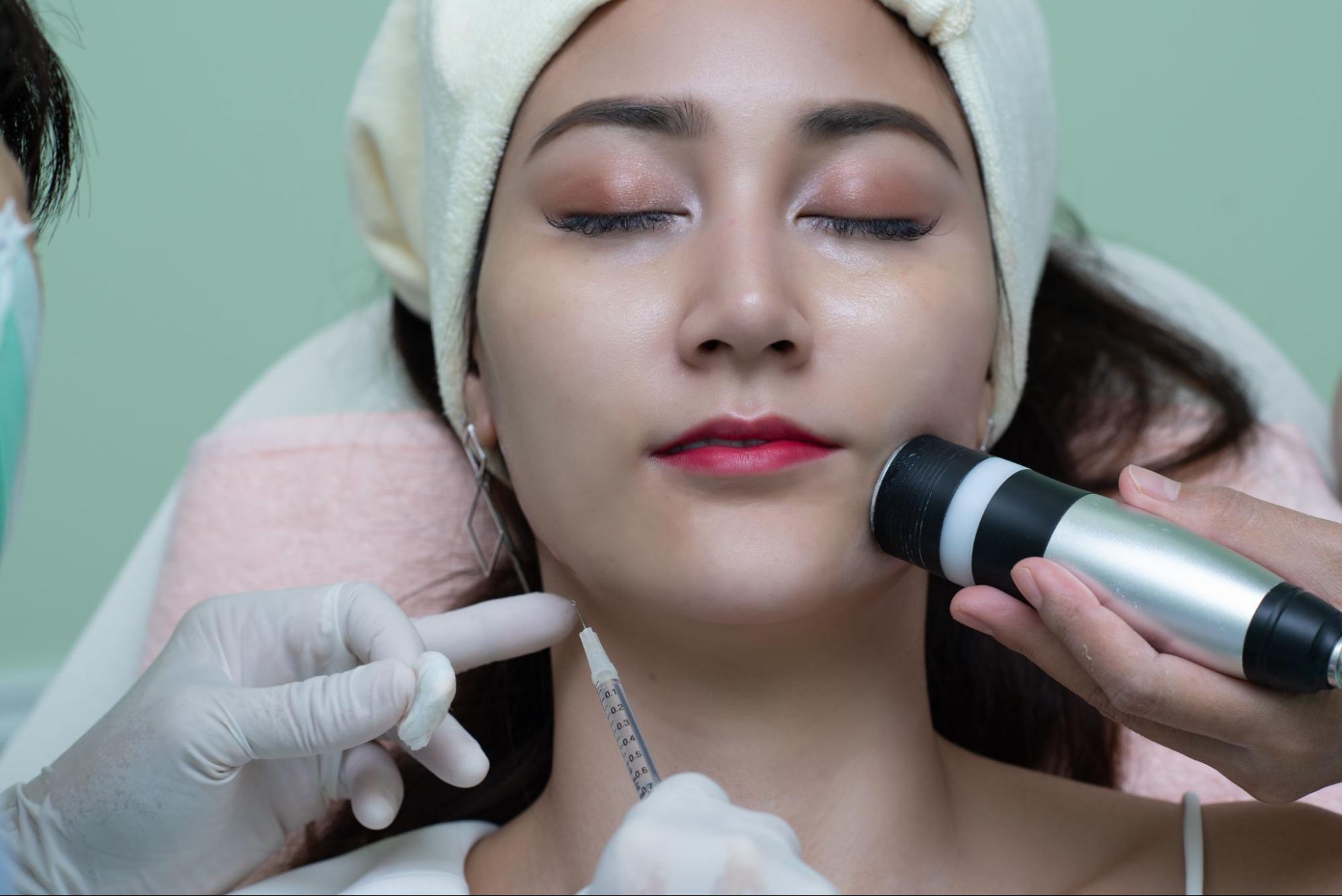
What Is Laser CO2 Fractional?
Laser CO2 Fractional is a technology that uses fractional laser energy to create controlled micro-injuries in the skin, stimulating natural regeneration and recovery.
Unlike traditional CO2 lasers that affect large surface areas, Fractional technology divides the laser beam into thousands of microscopic treatment zones. This allows selective treatment while preserving surrounding healthy tissue to support faster healing.
The goals of this treatment include:
- Stimulating collagen production
- Supporting skin tissue regeneration
- Improving skin surface smoothness
- Enhancing uneven skin texture
The Advanced Mechanism of Laser CO2 Fractional
One of the key advantages of this technology is its ability to penetrate deeply while remaining highly controlled.
Precise Fractional Energy Delivery
Instead of treating the entire skin surface, the laser is divided into thousands of microscopic beams.
This helps:
- Reduce the directly affected treatment area
- Improve the healing process
- Minimize prolonged downtime
Creating Controlled Micro-Injuries
The laser creates microscopic treatment columns in the targeted area.
The body responds by:
- Activating its natural repair mechanism
- Forming new tissue
- Promoting skin remodeling
Meanwhile, the surrounding healthy tissue supports faster recovery.
Stimulating Collagen and Elastin Production
One of the most important factors in acne scar treatment is rebuilding supportive skin structures.
Laser CO2 Fractional helps:
- Stimulate new collagen production
- Improve skin elasticity
- Gradually improve scar appearance over time
This regenerative process typically continues for several weeks to months after treatment.
Why Is Laser CO2 Fractional Considered the “Gold Standard” for Acne Scar Treatment?
Suitable for Various Types of Scars
This treatment is commonly considered for:
- Long-standing acne scars
- Ice pick scars
- Boxcar scars
- Certain uneven skin texture concerns
Treatment response depends on the scar type and overall skin condition.
Improving Overall Skin Quality
In addition to scar treatment, this technology is also used to help:
- Make the skin appear smoother
- Reduce the appearance of enlarged pores
- Improve skin elasticity
- Support skin rejuvenation
More Optimized Recovery Compared to Older Technologies
Thanks to its fractional delivery system, downtime is generally shorter compared to traditional CO2 laser treatments.
However, actual recovery time varies depending on:
- Treatment energy level
- Size of the treatment area
- Individual healing ability
Medical-Standard Acne Scar Treatment Process with Laser CO2 Fractional
A treatment plan is typically customized for each individual.
Step 1: Skin Assessment and Consultation
The doctor evaluates:
- Scar type
- Depth of skin damage
- Overall skin quality
- Previous treatment history
Based on this assessment, a personalized treatment plan is created.
Step 2: Cleansing and Numbing
The treatment area is cleansed and numbing cream is applied for approximately 30–45 minutes to improve comfort during the procedure.
Step 3: Performing Laser CO2 Fractional Treatment
The practitioner adjusts:
- Energy level
- Depth of penetration
- Density of microthermal zones
According to the specific scar condition.
Step 4: Recovery and Post-Treatment Care
After treatment, patients are usually advised to focus on:
- Skin soothing
- Moisturizing
- Protecting the skin barrier
- Strict sun protection
Important Tips to Optimize Treatment Results
To maximize results and minimize complications:
- Choose a reputable medical aesthetic clinic
- Avoid combining aggressive treatments without professional guidance
- Follow post-laser care instructions carefully
- Use broad-spectrum sunscreen daily
- Avoid picking or rubbing the skin
Proper aftercare plays an essential role in reducing the risk of post-inflammatory hyperpigmentation (PIH).
Who Is Suitable for Laser CO2 Fractional?
This treatment may be considered for:
- Individuals with long-term atrophic scars
- People seeking smoother skin texture
- Those with enlarged pores associated with acne scars
- Individuals looking for overall skin rejuvenation
Suitability should be evaluated directly by a doctor or dermatologist.
Frequently Asked Questions (FAQ)
Does Laser CO2 Fractional fill acne scars immediately?
No. Improvement occurs gradually over time as collagen remodeling takes place.
How many sessions are needed for acne scar treatment?
The number of sessions depends on the scar type, scar depth, and desired improvement goals.
How long does the skin take to recover after laser treatment?
Recovery time varies depending on the individual and the treatment protocol.
Is sunscreen necessary after laser treatment?
Yes. Sun protection is extremely important to preserve treatment results and reduce the risk of pigmentation issues.
Call to Action (CTA)
If you are looking for a medical-standard approach to acne scar treatment, the first step is proper scar assessment and a personalized treatment plan.
A suitable treatment protocol combined with advanced technology and proper aftercare can help optimize skin recovery and gradually improve overall skin quality over time.