


Contents
- 1 Introduction
- 2 Introduction to Subcision Combined with PRP
- 3 How Acne Scars Form
- 4 How Does Subcision Work?
- 5 How PRP Supports Acne Scar Treatment
- 6 Benefits of Combining Subcision and PRP
- 7 Who Is Suitable for Subcision Combined with PRP?
- 8 Treatment Procedure: Subcision Combined with PRP
- 9 When Can You See Results?
- 10 Aftercare After Subcision Combined with PRP
- 11 Why Choose a Medical-Standard Clinic for Acne Scar Treatment?
- 12 Why Choose Oceania for Acne Scar Treatment?
- 13 FAQ About Subcision Combined with PRP
- 14 Conclusion
- 15 Call to Action
Introduction
Acne scars are among the most challenging skin concerns to improve because the damage often lies deep beneath the skin surface. This is especially true for long-standing scars, rolling scars, or scars with tough fibrotic bands. Basic skincare alone is usually not enough to restore a smoother skin surface.
In modern acne scar treatment protocols, subcision combined with PRP is considered an advanced approach because it addresses two key problems at the same time: releasing the fibrotic bands pulling the scar downward and stimulating natural collagen regeneration.
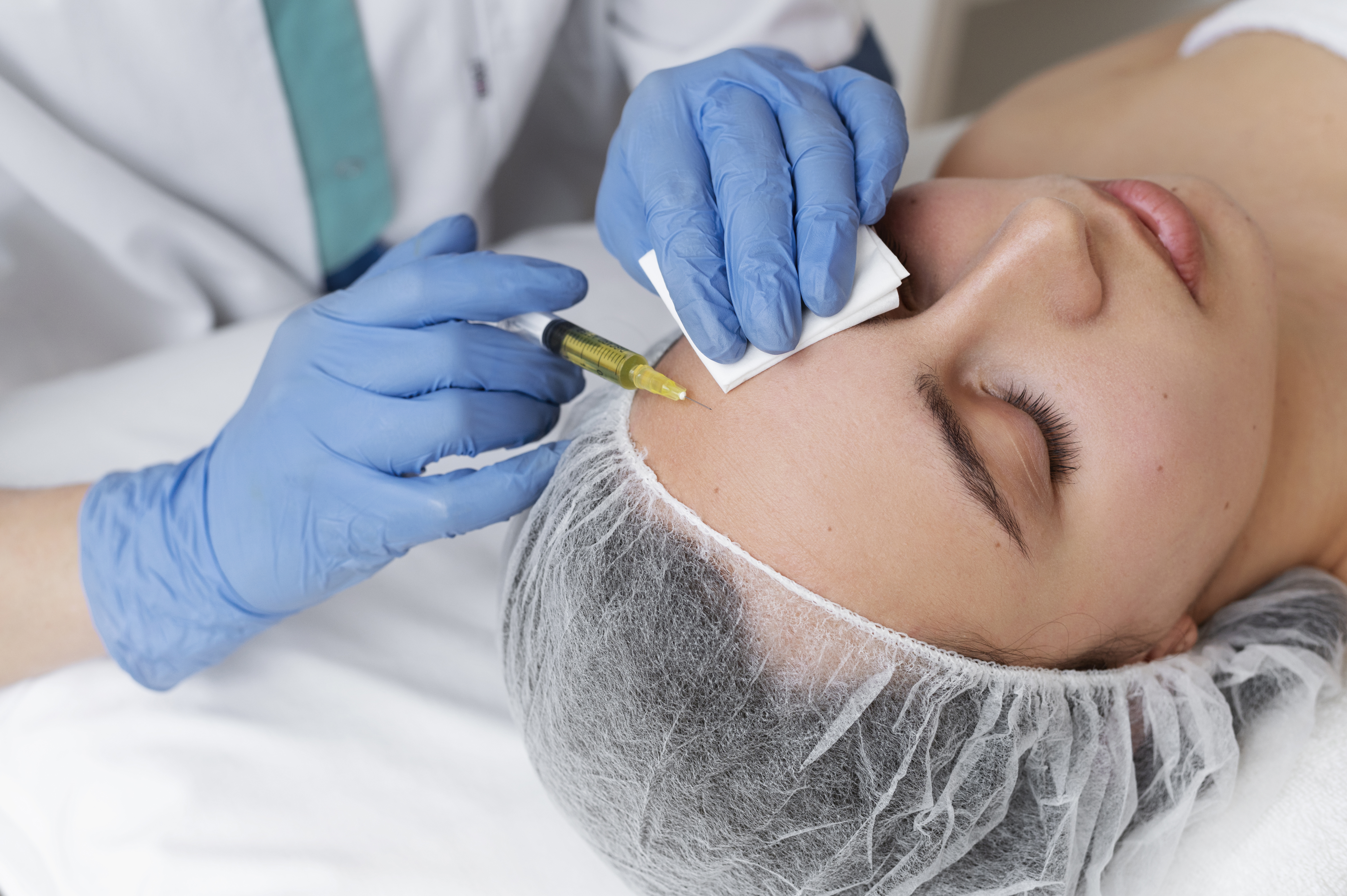
Introduction to Subcision Combined with PRP
Subcision is a technique that uses a specialized medical needle to go beneath the depressed scar and cut the fibrotic bands pulling the skin downward.
PRP, or Platelet-Rich Plasma, is plasma rich in platelets extracted from the client’s own blood. After centrifugation, the platelet-rich plasma is used to support tissue repair and skin regeneration.
When these two methods are combined, the doctor releases the scar tethering beneath the skin while introducing growth factors from PRP into the treated area. This is why the combination is often used in advanced acne scar treatment, especially for long-standing scars or scars with fibrotic tissue.
How Acne Scars Form
Acne scars often develop after severe inflammatory acne, cystic acne, nodular acne, or deep skin injury. When inflammation damages collagen and elastin beneath the skin, the damaged area may not regenerate fully, leaving a depressed scar.
In many cases, fibrotic bands form beneath the scar base. These bands act like “anchors” that pull the skin surface downward, making the scar appear deeper and harder to improve naturally.
For scars with strong fibrotic tethering, surface-level treatments alone may not provide optimal improvement. In these cases, subcision helps address the mechanical cause of the depression.
How Does Subcision Work?
During subcision, the doctor uses a specialized needle to enter the layer beneath the scar. The needle is then moved in a controlled manner to cut the fibrotic bands pulling the skin down.
Releasing the Pulling Force of Scar Bands
When the fibrotic bands are cut, the skin surface is released from the downward tension. This allows the depressed area to lift more naturally.
Creating a Controlled Healing Response
After subcision, a small space is created beneath the scar. The body then begins a healing process, producing new tissue and collagen to fill the area.
Suitable for Long-Standing Fibrotic Scars
Subcision is often suitable for depressed scars with fibrotic bands, rolling scars, or scars that are visibly tethered. A direct consultation is needed to determine whether subcision is appropriate and whether it should be combined with other technologies.
How PRP Supports Acne Scar Treatment
PRP is platelet-rich plasma separated from the client’s own blood. Platelets contain growth factors involved in tissue repair, fibroblast stimulation, collagen production, elastin production, and skin regeneration.
Supports Collagen Production
When introduced into the treated area, PRP may support new collagen formation. Collagen plays a key role in improving skin firmness, elasticity, and structure.
Speeds Up Recovery After Subcision
After subcision, the skin needs time to heal and regenerate. PRP provides a source of autologous growth factors that may support a smoother healing process.
Supports Smoother Skin Texture
When used correctly, PRP can support post-treatment recovery, improve overall skin quality, and help the scar area gradually become smoother over time.
Benefits of Combining Subcision and PRP
Combining subcision and PRP creates a complementary effect because each method supports the other in the same treatment protocol.
Targets the Root Cause of Depressed Scars
Subcision cuts the fibrotic bands that pull the skin downward. This is an important step for acne scars with tough scar tissue beneath the skin.
Supports Tissue Regeneration from Within
After the scar bands are released, PRP supports the healing process with autologous growth factors, creating a better environment for tissue regeneration and collagen formation.
Helps Reduce the Risk of Re-Depression
One important goal in acne scar treatment is to reduce the chance of the scar being pulled downward again. When scar bands are properly released and the tissue beneath is supported, the improvement may be more sustainable.
Suitable for Long-Standing Acne Scars
For older, deeper, or fibrotic acne scars, this combination may provide better improvement than surface-only skincare or treatments.
Uses Autologous Material
PRP is derived from the client’s own blood, so it is highly biocompatible. However, to ensure safety, blood collection, centrifugation, sample handling, and application must be performed under strict sterile conditions.
Who Is Suitable for Subcision Combined with PRP?
This method may be suitable for:
- People with long-standing acne scars
- People with rolling scars
- People with depressed scars caused by fibrotic tethering
- People who have tried other scar treatments with limited improvement
- People who want to improve skin structure from within
- People in good general health who are suitable for minimally invasive procedures
However, not all scars are suitable for subcision. Some ice-pick scars, very shallow scars, or active inflammatory acne may require a different treatment plan first.
Treatment Procedure: Subcision Combined with PRP
A medical-standard procedure should be personalized according to each client’s skin condition.
Step 1: Skin Consultation and Scar Assessment
The doctor examines the skin, classifies the scar type, evaluates scar depth, density, fibrosis, and current inflammation. This step is essential to determine whether subcision is suitable.
Step 2: Cleansing and Disinfection
The skin is thoroughly cleansed and disinfected according to medical standards to reduce the risk of infection.
Step 3: Numbing or Local Anesthesia
Depending on scar severity and treatment area, the doctor may use a suitable pain-reduction method to make the procedure more comfortable.
Step 4: Subcision
The doctor uses a specialized needle to release the scar tissue underneath the skin and cut the fibrotic bands pulling the skin downward. This requires precision, experience, and a strong understanding of skin anatomy.
Step 5: Blood Collection and PRP Preparation
A small amount of blood is collected and placed into a centrifuge to separate the platelet-rich plasma.
Step 6: PRP Application to the Treated Area
PRP is introduced into the subcised area or the area that needs regeneration to support healing, tissue repair, and collagen production.
Step 7: Post-Treatment Care Guidance
After treatment, the client receives instructions on skincare, sun protection, gentle cleansing, and monitoring skin reactions in the first few days.
When Can You See Results?
Acne scar improvement does not happen instantly. After subcision combined with PRP, the skin needs time to heal, regenerate new tissue, and produce collagen.
Clients may begin to notice gradual improvement after a few weeks. More visible results often require several months and may require multiple sessions depending on scar severity, individual response, and the treatment plan.
Aftercare After Subcision Combined with PRP
To support recovery, you should:
- Avoid touching, scratching, or picking the treated area.
- Cleanse the skin gently as instructed.
- Avoid strong active ingredients in the first few days unless recommended.
- Use sun protection carefully to reduce the risk of post-inflammatory hyperpigmentation.
- Avoid sauna, swimming, or intense exercise immediately after treatment.
- Follow your follow-up schedule.
- Contact the clinic if you notice unusual swelling, pain, discharge, infection signs, or prolonged irritation.
Why Choose a Medical-Standard Clinic for Acne Scar Treatment?
Subcision is a minimally invasive procedure, but it still requires professional expertise. If performed incorrectly, it may lead to prolonged bruising, infection, pigmentation, or unwanted skin damage.
A reputable clinic should have:
- Doctors or trained professionals specialized in dermatology/aesthetic skin care
- Clear sterile procedures
- Proper medical instruments
- A quality PRP centrifugation system
- Personalized protocols for different scar types
- Clear post-treatment instructions
- Follow-up monitoring after each session
Why Choose Oceania for Acne Scar Treatment?
At Oceania, acne scar treatment is not only about improving the skin surface. The focus is on identifying the right scar type, understanding the cause, and creating a suitable protocol for each skin condition.
Personalized Protocols for Each Scar Type
Every client has a different level of scarring, skin structure, and healing ability. Oceania emphasizes careful assessment before treatment to avoid applying a one-size-fits-all approach.
Medical-Standard Technique and Technology
With subcision combined with PRP, Oceania focuses on releasing scar tethering beneath the skin while supporting tissue recovery through natural regeneration.
Safety and Long-Term Improvement
Acne scar treatment requires patience, proper technique, and post-treatment monitoring. Oceania prioritizes safe procedures, realistic consultation, and clear expectations.
FAQ About Subcision Combined with PRP
Is subcision painful?
Before the procedure, numbing or local anesthesia is usually applied to reduce discomfort. After treatment, mild tightness, swelling, or bruising may occur depending on individual response.
Is PRP safe?
PRP uses the client’s own blood, so it is highly compatible with the body. However, safety depends on blood collection, centrifugation, sample handling, and sterile application.
Can subcision combined with PRP completely remove acne scars?
This method should not be understood as a treatment that completely removes scars. The realistic goal is to improve scar depth, smooth the skin surface, enhance skin quality, and reduce the visibility of scars.
How many sessions are needed?
The number of sessions depends on scar severity, scar type, individual healing response, and treatment plan. Older or deeper scars may require multiple sessions and combination therapies.
Can scars become depressed again after subcision?
If scar bands are not fully released or tissue regeneration is insufficient, improvement may be limited. PRP helps support tissue recovery after subcision and may reduce the risk of re-tethering.
Who should avoid this treatment?
People with active severe acne, skin infection, blood clotting disorders, medications affecting blood clotting, or uncontrolled medical conditions should be carefully evaluated by a doctor before treatment.
Conclusion
Acne scar treatment with subcision combined with PRP is an advanced approach suitable for depressed scars with fibrotic tethering, long-standing acne scars, or skin that needs structural repair from within.
Subcision releases the fibrotic bands pulling the skin downward, while PRP supports healing, collagen production, and tissue regeneration. When performed correctly, with proper indication and aftercare, this method may help improve skin texture, smoothness, and overall skin quality.
Call to Action
Are you struggling with long-standing acne scars, depressed scars, or uneven skin texture?
Book a consultation at Oceania for a professional skin assessment, scar classification, and personalized treatment plan.
Contact Oceania today to learn more about medical-standard subcision combined with PRP for safe, personalized acne scar improvement.