


Acne scars and enlarged pores are two skin concerns that often affect confidence because they are difficult to improve with topical skincare alone. Once the collagen structure beneath the skin has been damaged, the skin surface may become uneven, pitted, rough, and less firm, while pores appear more visible.
Among modern skin-rejuvenation technologies, RF Microneedling, also known as radiofrequency microneedling, is considered one of the advanced options for acne scars, atrophic scars, enlarged pores, and reduced skin elasticity. This technology combines ultra-fine microneedles with RF energy to deliver controlled heat beneath the skin, helping stimulate the skin’s natural repair process and encourage new collagen production.
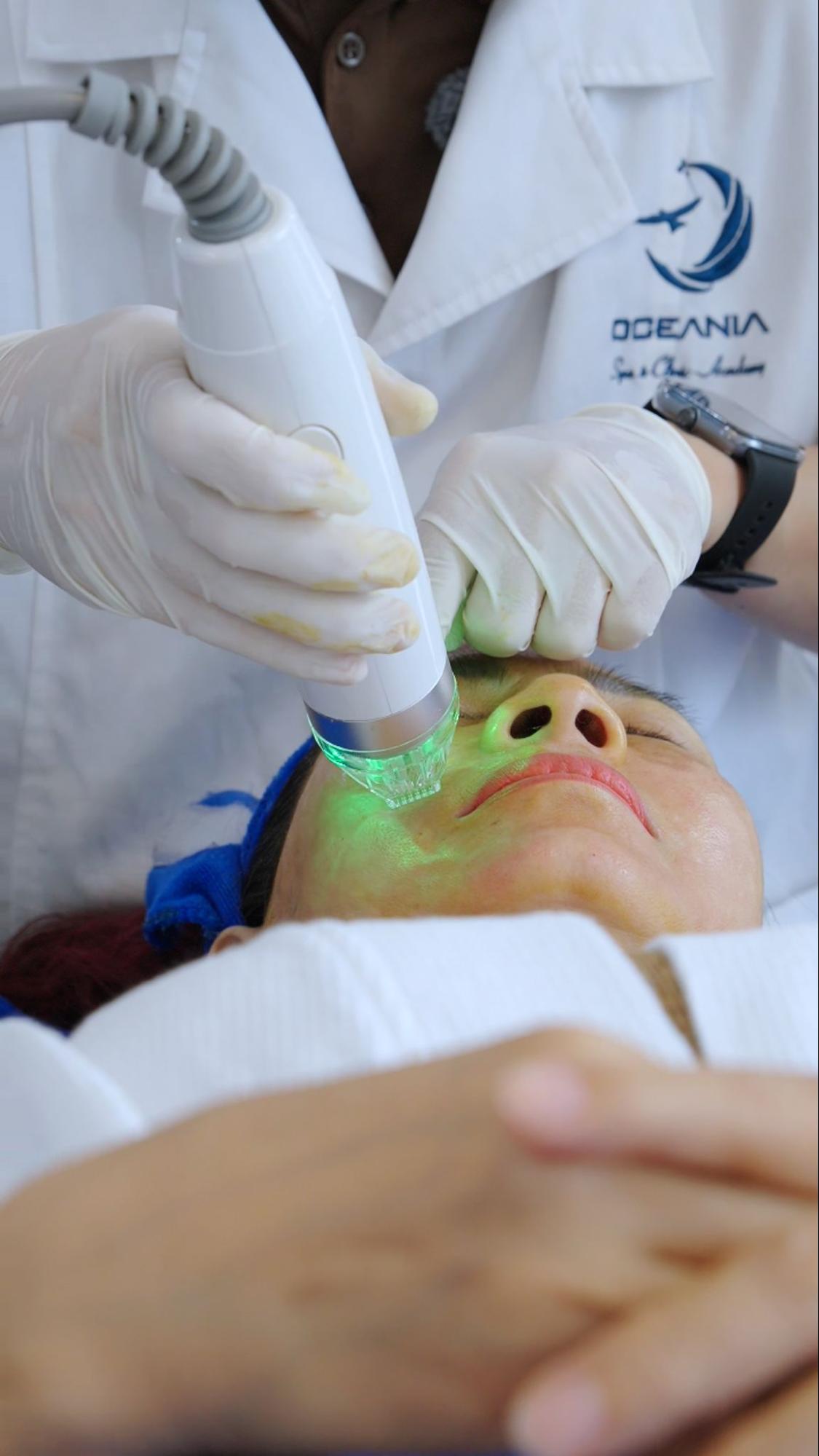
At Oceania Spa & Clinic Ba Son (Ho Chi Minh), RF Microneedling treatments are personalized by specialized doctors. The goal is not only to smooth the skin surface, but also to improve the skin foundation from within, support acne scar remodeling, refine the appearance of pores, and help the skin look firmer and more youthful over time.
Contents
- 0.1 What Is RF Microneedling?
- 0.2 What Skin Concerns Is RF Microneedling Suitable For?
- 0.3 How RF Microneedling Works for Acne Scars
- 0.4 Can RF Microneedling Reduce Enlarged Pores?
- 0.5 Advantages of RF Microneedling Compared with Traditional Microneedling
- 0.6 Benefits of RF Microneedling Treatment at Oceania Spa & Clinic Ba Son (Ho Chi Minh)
- 0.7 RF Microneedling Procedure at Oceania Spa & Clinic Ba Son (Ho Chi Minh)
- 0.8 What Happens to the Skin After RF Microneedling?
- 0.9 Post-RF Microneedling Care to Optimize Results
- 0.10 How Many RF Microneedling Sessions Are Needed?
- 0.11 Who Should Consider RF Microneedling?
- 0.12 Who Needs Careful Doctor Assessment Before RF Microneedling?
- 0.13 Why You Should Not Do RF Microneedling at Home or Choose an Unqualified Provider
- 1 FAQ
- 1.1 Can RF Microneedling treat long-term acne scars?
- 1.2 Can RF Microneedling really reduce enlarged pores?
- 1.3 Is RF Microneedling painful?
- 1.4 How long does it take to see results after RF Microneedling?
- 1.5 Does RF Microneedling require downtime?
- 1.6 Should I get RF Microneedling if I have active inflammatory acne?
- 1.7 Is RF Microneedling safe?
- 1.8 Does Oceania offer personalized protocols for each scar type?
What Is RF Microneedling?
RF Microneedling is a technology that combines microneedling with radiofrequency energy.
During treatment, ultra-fine needles create controlled micro-injuries in the skin. At the same time, RF energy is delivered into deeper skin layers to generate selective heat. This dual mechanism helps activate the natural wound-healing process and stimulates collagen and elastin production.
In simple terms:
- Microneedling creates microchannels and stimulates skin renewal.
- RF energy delivers deep heat to support tissue tightening and collagen remodeling.
- New collagen helps the skin become thicker, firmer, and smoother.
- Pores may appear smaller as the skin foundation becomes firmer and more refined.
Unlike traditional microneedling, RF Microneedling includes thermal energy from radiofrequency waves, allowing it to target deeper skin structures more effectively. This is why the technology is often considered for acne scars, enlarged pores, loss of firmness, and uneven skin texture.
What Skin Concerns Is RF Microneedling Suitable For?
RF Microneedling may be considered by doctors for:
- Acne scars.
- Atrophic scars.
- Long-term depressed scars.
- Chickenpox scars.
- Enlarged pores.
- Rough and uneven skin texture.
- Reduced skin firmness.
- Mild to moderate signs of aging.
- Weak skin foundation caused by prolonged inflammatory acne.
- People who want texture improvement without excessive downtime.
However, not everyone is suitable for immediate treatment. If the skin has severe active acne, infection, irritation, contact dermatitis, open wounds, or a severely damaged skin barrier, the doctor may need to stabilize the skin first before performing RF Microneedling.
How RF Microneedling Works for Acne Scars
Acne scars form when the skin is deeply damaged, often due to severe inflammatory acne, chickenpox, injury, or improper acne extraction. When collagen beneath the skin breaks down, the skin tissue is pulled downward, creating depressed scars or pitted areas.
RF Microneedling helps improve acne scars through three main mechanisms:
1. Creating Controlled Micro-Injuries
The ultra-fine needles penetrate the skin at depths adjusted by the doctor based on the type and severity of the scars. These micro-injuries trigger the body’s natural wound-healing response and encourage new tissue regeneration.
2. Delivering RF Heat Deep Beneath the Skin
RF energy is delivered into the dermis or targeted tissue layers, generating controlled heat. This heat helps stimulate collagen remodeling, improve tissue firmness, and enhance skin elasticity.
3. Stimulating Collagen and Elastin Production
After treatment, the body continues producing collagen and elastin over several weeks to months. As the skin foundation becomes thicker and stronger, depressed scars may gradually improve, the surface may look smoother, and pores may appear more refined.
Can RF Microneedling Reduce Enlarged Pores?
Enlarged pores are associated with many factors, including genetics, oily skin, prolonged acne, loss of elasticity, aging, and damage to the skin structure. Therefore, pores cannot be completely “erased,” but their appearance can be improved.
RF Microneedling may help enlarged pores appear smaller by:
- Improving skin firmness.
- Supporting collagen structure around hair follicles.
- Smoothing the skin surface.
- Reducing rough and uneven texture.
- Improving overall skin quality.
For people with enlarged pores along with acne scars, RF Microneedling is often valued because it can address both concerns at the same time: depressed scars and uneven skin texture.
Advantages of RF Microneedling Compared with Traditional Microneedling
1. Deeper Targeting
Traditional microneedling mainly relies on controlled micro-injuries. RF Microneedling adds radiofrequency energy, allowing deeper tissue stimulation and stronger support for collagen remodeling.
2. Suitable for Multiple Types of Acne Scars
RF Microneedling may be considered for different types of acne scars, such as rolling scars, boxcar scars, or mixed atrophic scars. For deep ice pick scars, doctors may combine it with other methods to optimize results.
3. Less Surface Damage When Performed Correctly
RF energy is delivered through the needles into targeted skin layers. When performed with the correct parameters, depth, and indication, this method can stimulate deeper structures while minimizing excessive surface injury.
4. Can Be Combined with Advanced Scar Treatment Protocols
In acne scar treatment, RF Microneedling is often not used alone. Depending on the condition, doctors may combine it with subcision, laser, PRP, Meso recovery, or regenerative actives to improve overall results.
Benefits of RF Microneedling Treatment at Oceania Spa & Clinic Ba Son (Ho Chi Minh)
1. Modern, Authentic RF Microneedling Technology
At Oceania Spa & Clinic Ba Son (Ho Chi Minh), RF Microneedling is designed around authentic fractional RF systems, ultra-fine needle tips, and precise thermal delivery technology. This helps doctors better control depth, energy level, and treatment area.
With modern needle tips, especially ultra-fine gold-coated needles, RF energy can be delivered more consistently, helping reduce surface trauma and optimize the treatment experience.
2. Personalized Protocols for Each Scar Type
Not all acne scars are the same. Some scars are new, while others are long-standing. Some are shallow, while others are deep. Some clients also have active acne, oily skin, or post-inflammatory hyperpigmentation.
At Oceania, doctors evaluate:
- Scar type: ice pick, boxcar, rolling, or mixed scars.
- Scar depth.
- How long the scars have existed.
- Current acne condition.
- Degree of enlarged pores.
- Skin thickness and sensitivity.
- Previous history of laser, peel, PRP, Meso, or microneedling treatments.
From there, the doctor designs a personalized treatment plan instead of applying one standard protocol to every client.
3. Combination Technology to Address Fibrotic Scar Bands
With long-term acne scars, the scar base may become fibrotic and tethered downward. If only the surface is treated, results may be limited. Therefore, doctors at Oceania may consider combining suitable techniques to release scar tissue, stimulate regeneration, and gradually improve skin volume and texture.
This approach helps treat acne scars more comprehensively, not only by “smoothing the surface,” but also by supporting deeper skin remodeling from within.
4. Experienced Specialist Team
RF Microneedling requires a clear understanding of skin structure, scar type, energy level, needle depth, and each client’s healing capacity. Incorrect technique may lead to irritation, post-inflammatory pigmentation, or unwanted tissue damage.
At Oceania, clients are examined and advised by a professional team, helping ensure a clearer, safer, and more realistic treatment direction.
5. Post-Treatment Recovery Monitoring
After RF Microneedling, the skin needs time to heal and regenerate. Oceania provides post-treatment skincare guidance, including gentle cleansing, skin barrier recovery, sun protection, and monitoring of skin reactions to minimize risks.
RF Microneedling Procedure at Oceania Spa & Clinic Ba Son (Ho Chi Minh)
Step 1: Consultation and Skin Analysis
The doctor examines the severity of acne scars, pore size, acne activity, pigmentation, and skin sensitivity. This step is essential to determine whether RF Microneedling is suitable or whether the skin foundation should be treated first.
Step 2: Personalized Treatment Planning
Based on the skin condition, the doctor advises the estimated number of sessions, interval between sessions, possible combination methods, and realistic improvement expectations.
Step 3: Cleansing and Skin Preparation
The skin is cleansed, disinfected, and prepared under sterile conditions. Depending on the case, numbing cream may be applied to help clients feel more comfortable during the procedure.
Step 4: Performing RF Microneedling
The doctor adjusts needle depth, RF energy, and treatment density for each skin area. Areas with deeper scars, more visible pores, or thicker skin may require different parameters compared with thinner and more sensitive areas.
Step 5: Soothing and Recovery
After treatment, the skin is soothed with suitable recovery products. The doctor provides instructions on at-home care, which products to use, and which active ingredients to temporarily stop.
Step 6: Follow-Up and Reassessment
RF Microneedling results usually develop gradually as collagen production increases. The doctor may schedule follow-up visits to assess improvement and adjust the protocol for future sessions.
What Happens to the Skin After RF Microneedling?
After treatment, the skin may experience temporary reactions such as:
- Mild redness.
- Slight warmth or burning sensation.
- Mild swelling or tightness.
- Mild tingling.
- Dryness or slight peeling for a few days.
- Increased sensitivity to sunlight.
These reactions are often part of the normal recovery process. However, if the skin becomes very painful, swollen for a prolonged period, develops blisters, oozes, becomes unusually hot and red, or shows signs of infection, you should contact a doctor immediately.
Post-RF Microneedling Care to Optimize Results
Post-treatment care is very important because this is when the skin is actively regenerating.
You should:
- Cleanse the skin with gentle products.
- Avoid rubbing or strong massage.
- Use recovery moisturizers as instructed.
- Apply sunscreen carefully every day.
- Avoid intense sunlight.
- Temporarily stop AHA, BHA, Retinol, Tretinoin, and strong Vitamin C.
- Do not self-peel or exfoliate the skin.
- Avoid wearing makeup too early if the skin is still red or irritated.
- Avoid sauna, swimming, or heavy exercise in the early recovery period.
- Attend follow-up appointments if scheduled by your doctor.
Proper aftercare helps the skin recover more smoothly, reduces the risk of post-inflammatory hyperpigmentation, and supports better collagen remodeling.
How Many RF Microneedling Sessions Are Needed?
The number of RF Microneedling sessions depends on scar severity, scar type, scar depth, healing response, and each client’s treatment goals.
In general:
- Mild scars and enlarged pores may require fewer sessions.
- Moderate acne scars often require multiple sessions.
- Deep, long-term acne scars may need a combination approach and longer follow-up.
- Active inflammatory acne should be controlled before scar treatment.
Doctors at Oceania will advise the estimated number of sessions after direct examination. It is important not to expect acne scars to disappear completely after one session, because collagen remodeling is a gradual process.
Who Should Consider RF Microneedling?
You may consider RF Microneedling if you have:
- Long-term acne scars.
- Depressed scars after chickenpox or skin injury.
- Clearly visible enlarged pores.
- Rough and uneven skin surface.
- Reduced skin firmness.
- Acne scars that do not improve with skincare alone.
- A desire for advanced texture improvement.
- A need for a doctor-personalized treatment plan.
Who Needs Careful Doctor Assessment Before RF Microneedling?
You should be carefully evaluated by a doctor if you:
- Have severe active inflammatory acne.
- Have open wounds or skin infection.
- Have contact dermatitis, irritation, or cosmetic allergy.
- Have a history of keloid scarring.
- Have very weak skin or a damaged skin barrier.
- Are pregnant or breastfeeding.
- Are taking special medication or have underlying medical conditions.
- Recently had peeling, laser, microneedling, or invasive procedures.
- Have a history of post-inflammatory hyperpigmentation.
A consultation helps the doctor determine a safer treatment timing and reduce unwanted complications.
Why You Should Not Do RF Microneedling at Home or Choose an Unqualified Provider
RF Microneedling is not a regular skincare step. It is a medical aesthetic procedure that uses needles and heat energy to act on the skin. If performed with incorrect technique, wrong depth, inappropriate energy, or poor sterilization, the skin may face risks.
Possible risks include:
- Skin burns.
- Post-inflammatory hyperpigmentation.
- Infection.
- Poor scarring.
- Prolonged irritation.
- Increased skin sensitivity.
- Unwanted tissue damage.
For this reason, you should choose a reputable clinic, equipment with clear origin, sterile procedures, and a qualified professional team to ensure safety.
FAQ
Can RF Microneedling treat long-term acne scars?
RF Microneedling can help improve long-term acne scars by stimulating collagen remodeling and improving the skin foundation. However, long-standing scars often require multiple sessions and may need to be combined with other methods such as subcision, laser, PRP, or Meso, depending on the doctor’s indication.
Can RF Microneedling really reduce enlarged pores?
It may help pores appear smaller by improving skin firmness and overall skin quality. However, pores cannot disappear completely because they are influenced by genetics, oil gland activity, age, and skincare habits.
Is RF Microneedling painful?
During treatment, clients may feel tingling, warmth, or mild tightness depending on the treated area and individual pain tolerance. Doctors usually prepare the skin and apply numbing cream to make the procedure more comfortable.
How long does it take to see results after RF Microneedling?
Some surface improvement may be noticed after the recovery phase, but clearer results usually appear gradually over several weeks to months because collagen regeneration takes time.
Does RF Microneedling require downtime?
Recovery time depends on energy level, skin condition, and individual healing response. The skin may be red, tight, or slightly flaky during the first few days. You should follow post-treatment care instructions and apply sunscreen carefully.
Should I get RF Microneedling if I have active inflammatory acne?
If you have severe active inflammatory acne, doctors usually need to control the acne first before treating scars. Performing RF Microneedling on inflamed skin may increase the risk of irritation or spreading inflammation.
Is RF Microneedling safe?
RF Microneedling can be safe when performed with the correct indication, proper technique, suitable equipment, and by trained professionals. However, it is still a procedure with potential risks, so consultation and proper aftercare are essential.
Does Oceania offer personalized protocols for each scar type?
Yes. At Oceania Spa & Clinic Ba Son (Ho Chi Minh), clients are examined to identify scar type, scar depth, pore condition, skin foundation, and previous treatment history before a personalized plan is created.
Acne scars and enlarged pores should not be treated with topical skincare alone if the collagen structure beneath the skin has already been damaged. To achieve more visible improvement, you need a protocol that targets the right skin layer, the right scar type, and the right recovery timing.
If you are struggling with acne scars, long-term depressed scars, enlarged pores, or rough and uneven skin texture, contact Oceania Spa & Clinic Ba Son (Ho Chi Minh) for a doctor-led consultation and a suitable RF Microneedling treatment plan.
You can also view customer reviews and real treatment experiences on Oceania Spa & Clinic Ba Son (Ho Chi Minh) Instagram for a more visual understanding before choosing your treatment.
Oceania Spa & Clinic Ba Son (Ho Chi Minh) – Personalized RF Microneedling, advanced skin remodeling, and a smoother, firmer-looking complexion.