


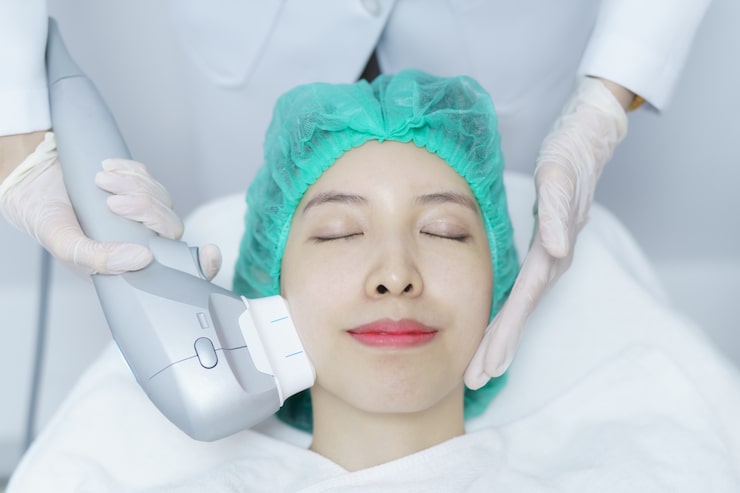
HIFU face lifting is a popular choice for people who want to improve sagging skin, a double chin, and a less-defined jawline without surgery. This technology uses focused ultrasound energy to target deeper layers beneath the skin, helping stimulate collagen remodeling and improve skin firmness over time.
However, not everyone achieves the results they expect after HIFU. Some people notice little to no lifting effect, some experience excessive discomfort, and others may even face unwanted issues such as facial hollowness or slight asymmetry after treatment.
In most cases, the problem does not come from HIFU technology itself, but from choosing the wrong provider, using an unsuitable treatment plan, or receiving treatment with poor-quality devices.
This article will help you identify 3 common mistakes that make HIFU face lifting less effective and show you how to choose a safer, more professional treatment provider.
Contents
- 1 What Is HIFU Face Lifting?
- 2 3 Mistakes That Make HIFU Face Lifting Fail
- 3 Why Does HIFU Face Lifting Need to Be Personalized?
- 4 Benefits of Proper HIFU Face Lifting
- 5 A Safe and Effective HIFU Face Lifting Destination: Oceania Spa & Clinic
- 6 Who Is Suitable for HIFU Face Lifting?
- 7 HIFU Face Lifting Procedure at Oceania Spa & Clinic
- 8 SEO FAQ About HIFU Face Lifting
- 9 Book a Safe HIFU Consultation at Oceania Spa & Clinic
What Is HIFU Face Lifting?
HIFU stands for High-Intensity Focused Ultrasound. In aesthetic dermatology, HIFU is used to deliver heat energy into targeted tissue layers beneath the skin without incisions or surgery.
One of the key advantages of HIFU is its ability to target different depths, commonly including 1.5mm, 3.0mm, and 4.5mm, depending on the treatment area, skin condition, and treatment cartridge. The 3.0mm and 4.5mm depths are often used in facial lifting because they are associated with the deeper dermis, subcutaneous tissue, and the SMAS layer.
When performed correctly, HIFU may help:
- Improve mild to moderate skin sagging.
- Define the jawline.
- Support double chin reduction.
- Stimulate natural collagen production.
- Make the skin feel firmer over time.
- Rejuvenate the face without surgery.
However, HIFU is not a treatment where “more is always better.” It requires a proper understanding of facial anatomy, correct energy levels, and accurate treatment zones.
3 Mistakes That Make HIFU Face Lifting Fail
1. Incorrect Machine Settings
One of the most common reasons HIFU delivers poor results is the use of incorrect energy levels or treatment depths.
HIFU energy must reach the right target layer. If the energy is too low, there may not be enough heat to trigger collagen remodeling. As a result, the client may feel that they have undergone the treatment but see little to no lifting effect.
On the other hand, if the energy is too high or delivered to the wrong tissue layer, the client may experience excessive pain, prolonged redness, thermal burns, or unwanted tissue damage.
Warning signs include:
- No skin analysis or medical consultation before treatment.
- No explanation of treatment zones or energy levels.
- The same treatment protocol is applied to every client.
- Unusual pain occurs but the practitioner continues the treatment.
- No doctor or qualified professional supervises the procedure.
For HIFU to be effective, the treatment must be personalized based on skin thickness, degree of aging, sagging areas, and each client’s tolerance level.
2. Poor Practitioner Technique
HIFU is not simply about placing a device on the face and delivering shots. The practitioner must understand muscle direction, fat layers, sensitive areas, bone structure, and regions where strong energy should be avoided.
If the practitioner lacks skill or anatomical knowledge, several problems may occur:
- Shots are delivered in the wrong lifting direction.
- Too many shots are applied to unnecessary areas.
- Key sagging areas are missed.
- Sensitive zones are treated incorrectly.
- The client feels pain but gains little lifting effect.
- Facial hollowness may occur if fat areas are treated improperly.
- The face may appear slightly uneven if both sides are treated inconsistently.
Areas such as the temples, jawline, cheekbones, neck, and around the eyes require careful evaluation. Although HIFU is non-invasive, it still uses heat energy in deeper skin layers. Therefore, the practitioner must have proper anatomical knowledge and clinical experience.
A successful HIFU treatment is not determined only by the number of shots. It depends on having the right treatment map: which areas need lifting, which areas need firming, which areas should be avoided, and whether other technologies should be combined for better results.
3. Using Outdated or Unverified Devices
The device used in HIFU treatment directly affects the precision of energy delivery. Outdated machines, devices with unclear origins, or poor-quality cartridges may cause energy to scatter instead of focusing accurately on the target tissue.
When energy is unstable, clients may experience:
- More pain but minimal lifting results.
- Unusual heat or burning sensations.
- Little improvement even after waiting for collagen regeneration.
- Uneven treatment effects.
- Short-lasting results.
- Higher risk of irritation or tissue damage.
Modern HIFU systems often allow practitioners to select different treatment cartridges for different depths. This helps doctors adjust the treatment more accurately based on each facial area and skin condition.
Before undergoing HIFU, you should ask:
- What type of HIFU device is being used?
- Does the machine have a clear origin and proper certification?
- Are the treatment cartridges suitable for the face or neck?
- Who performs the consultation and treatment planning?
- Is the protocol personalized or just based on a fixed package?
A reputable clinic will be willing to explain these details clearly.
Why Does HIFU Face Lifting Need to Be Personalized?
No two faces age in exactly the same way. Some people experience sagging in the cheeks, some have a more noticeable double chin, some have thin skin, and others have thicker fat tissue. Some clients may also have had previous aesthetic treatments such as fillers or other procedures.
If the same treatment protocol is used for everyone, the results can easily become inconsistent.
A proper HIFU treatment plan should be based on:
- Age and skin aging condition.
- Skin thickness and subcutaneous fat level.
- Degree of sagging.
- Main treatment areas: cheeks, jawline, chin, neck.
- Current skin condition: dry, thin, sensitive, inflamed, or acne-prone skin.
- History of previous aesthetic treatments.
- Client’s goal: natural mild lifting or more visible facial contour improvement.
This is why HIFU should be planned by a doctor or qualified specialist instead of being chosen only based on low price or advertised shot count.
Benefits of Proper HIFU Face Lifting
When correctly indicated and performed with standard technology, HIFU can offer several benefits for people with mild to moderate signs of aging:
- Non-surgical lifting: No incisions and no long recovery time.
- Improved skin firmness: The skin may feel firmer as collagen gradually remodels.
- More defined facial contour: Helps improve the jawline, lower cheeks, and double chin area.
- Natural-looking rejuvenation: Results usually develop gradually instead of changing the face suddenly.
- Suitable for busy clients: Most people can return to normal activities quite soon, depending on their skin response.
- Can be combined with other treatments: Such as mesotherapy, RF, PRP, or skin recovery treatments when properly indicated.
It is important to understand that HIFU does not completely replace surgical facelift procedures in cases of severe skin laxity. For clients with advanced sagging, a doctor should carefully evaluate the skin and recommend a more suitable treatment plan.
A Safe and Effective HIFU Face Lifting Destination: Oceania Spa & Clinic
If you are interested in HIFU but concerned about poor technique or unsafe treatment, Oceania Spa & Clinic is a trusted option thanks to its medical-standard approach, personalized protocols, and focus on safety.
Dermatology-Focused Medical Team
At Oceania Spa & Clinic, clients are examined and consulted by doctors and medical professionals with expertise in dermatology and advanced aesthetic technology. A clear understanding of skin structure, subcutaneous tissue, and aging patterns allows the team to provide more accurate treatment indications and reduce the risk of incorrect energy delivery.
Personalized Protocol for Each Face
Oceania does not apply one fixed formula to every client. Each treatment plan is designed based on the actual condition of the client’s skin and facial structure. Before treatment, the doctor evaluates sagging areas, skin elasticity, double chin condition, jawline definition, and overall aging level.
This helps the treatment focus on the right concerns, avoid unnecessary shots, and reduce the risk of treating unsuitable areas.
Authentic Medical-Grade Equipment
Oceania Spa & Clinic focuses on using authentic devices with international safety certifications such as FDA, KFDA, CE, and ISO depending on each technology system. This helps ensure more stable energy control, better precision, and a safer treatment experience.
Multiple Lifting and Rejuvenation Technologies
Not every aging condition is suitable for one device. Oceania offers a variety of lifting and rejuvenation technologies, allowing doctors to choose the most appropriate solution for each treatment area, facial structure, and client goal.
Who Is Suitable for HIFU Face Lifting?
HIFU is generally suitable for people with mild to moderate signs of aging who want firmer skin without surgery.
You may consider HIFU if you have:
- Early facial sagging.
- Less firm lower cheeks.
- A less-defined jawline.
- Mild to moderate double chin.
- Slight neck laxity.
- A face that appears less slim or contoured.
- A desire for natural rejuvenation with minimal downtime.
- Loose or less elastic skin despite regular skincare.
However, if you are pregnant, have active skin inflammation, open wounds, complex aesthetic treatment history, or underlying medical conditions, you should consult a doctor before undergoing HIFU.
HIFU Face Lifting Procedure at Oceania Spa & Clinic
Step 1: Consultation and Skin Assessment
The doctor examines the aging condition, sagging level, tissue structure, and target lifting areas. This step is important to determine whether HIFU is suitable or whether other treatments should be combined.
Step 2: Personalized Treatment Planning
Clients are informed about treatment areas, expected shot count, selected technology, treatment sensations, and the timeline for monitoring results.
Step 3: Skin Cleansing and Preparation
The skin is cleansed, treatment areas may be marked, and ultrasound gel is applied to support energy delivery.
Step 4: HIFU Treatment on Targeted Areas
The doctor or trained specialist performs the treatment according to the personalized treatment map. Energy level and depth are adjusted based on each area.
Step 5: Post-Treatment Care Guidance
After treatment, clients receive instructions on skincare, sun protection, moisturizing, and follow-up appointments if needed.
SEO FAQ About HIFU Face Lifting
Is HIFU face lifting painful?
During treatment, you may feel deep warmth, tingling, or slight prickling in areas close to the bone, such as the jawline or cheekbones. The sensation varies depending on the client’s pain tolerance, treatment area, and energy level. If the pain feels excessive, you should inform the practitioner immediately.
How long does it take to see HIFU results?
Some people may notice a slightly firmer feeling right after treatment. However, more visible improvement usually takes time as collagen gradually remodels. Results may develop over several weeks to a few months depending on the individual.
Does HIFU require downtime?
HIFU usually does not require long downtime. The skin may feel slightly red, tight, or sensitive after treatment, but most clients can return to normal activities soon. Proper sun protection and skincare are still important.
Why did I not see results after HIFU?
Possible reasons include unsuitable energy settings, incorrect tissue depth, poor-quality equipment, non-personalized treatment planning, or skin laxity that is too advanced for HIFU alone.
Can HIFU make the face look hollow?
If performed on the wrong area, with excessive energy, or too aggressively over fat tissue, HIFU may make the face look more hollow in some cases. This is why proper consultation and treatment planning by a qualified professional are essential.
How often should HIFU be done?
The ideal frequency depends on age, aging level, device type, treatment area, and skin response. You should not repeat HIFU too frequently just to get faster results. A doctor should recommend the right treatment interval after a direct assessment.
Can HIFU replace a surgical facelift?
Not completely. HIFU is more suitable for mild to moderate skin laxity. If the skin is severely sagging or there is significant excess skin, a doctor may recommend another treatment or a combination of technologies for more realistic results.
Book a Safe HIFU Consultation at Oceania Spa & Clinic
An effective HIFU treatment does not begin with the number of shots. It begins with an accurate assessment of your skin condition.
If you are experiencing sagging skin, a double chin, a less-defined jawline, or want facial rejuvenation without surgery, book a direct consultation with a dermatologist at Oceania Spa & Clinic.
At Oceania, you will receive:
- Skin analysis and aging assessment.
- Consultation on the most suitable technology for your facial structure.
- A personalized lifting treatment plan.
- Clear explanation of treatment cost, target areas, and expected timeline.
- A professional, safe, medical-standard treatment environment.
Book your consultation today to find out whether your skin is suitable for HIFU or whether you need a more advanced rejuvenation solution.