


In the pursuit of better skin, many people want fast results and continuously use strong active ingredients such as AHA, BHA, Retinol, Tretinoin, and high-concentration Vitamin C, or undergo intensive technologies such as laser, chemical peels, microneedling, RF, and HIFU too frequently.
However, the skin cannot always tolerate such aggressive treatment. When it is repeatedly exposed to strong actives or advanced aesthetic technologies without enough recovery time, it may enter a state of over-treatment.
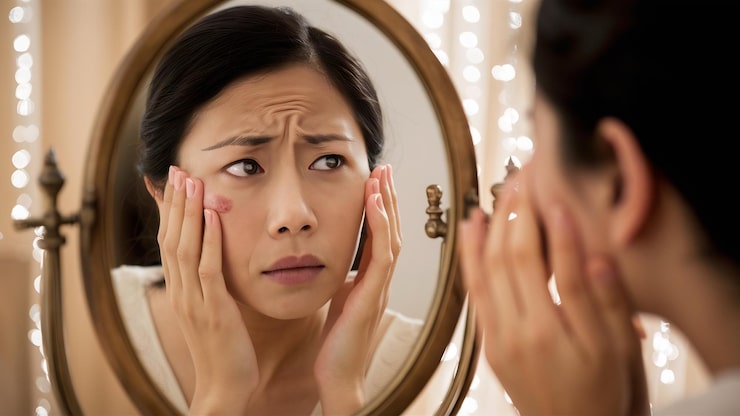
This is when the skin barrier becomes weakened, causing the skin to become red, stinging, flaky, sensitive, acne-prone, and even more vulnerable to pigmentation.
At Oceania Spa & Clinic Ba Son (Ho Chi Minh), dermatology specialists always prioritize the health of the skin foundation. Only healthy skin can respond well to rejuvenation, corrective treatments, and advanced aesthetic procedures.
Contents
- 1 What Is Skin Over-Treatment?
- 2 Signs Your Skin Is Over-Treated
- 3 What Causes Skin Over-Treatment?
- 4 Consequences of Over-Treated Skin
- 5 What Should You Do If Your Skin Is Over-Treated?
- 6 Over-Treated Skin Recovery at Oceania Spa & Clinic Ba Son (Ho Chi Minh)
- 7 How to Choose a Reputable Aesthetic Clinic to Avoid Over-Treatment
- 8 Who Should Get a Skin Check-Up for Possible Over-Treatment?
- 9 SEO FAQ About Over-Treated Skin
- 9.1 1. What is over-treated skin?
- 9.2 2. What are the signs of over-treated skin?
- 9.3 3. Can over-treated skin heal on its own?
- 9.4 4. What should I stop using first if my skin is over-treated?
- 9.5 5. How long does over-treated skin take to recover?
- 9.6 6. Should I continue laser or chemical peels when my skin is weak?
- 9.7 7. Does Oceania Spa & Clinic Ba Son (Ho Chi Minh) provide recovery treatments for over-treated skin?
- 10 Conclusion
What Is Skin Over-Treatment?
Over-treatment refers to a condition in which the skin becomes overloaded due to excessive use of strong treatment products or repeated aesthetic technologies beyond the skin’s tolerance.
In simple terms, your skin has a natural “protective barrier.” When it is overexposed to acids, retinoids, lasers, peels, or invasive procedures, this barrier can become damaged and lose its ability to protect itself.
At that point, the skin does not become healthier as expected. Instead, it may react negatively with symptoms such as:
- Persistent redness
- Dryness and peeling
- Stinging when applying skincare products
- Increased inflammatory acne
- Abnormal oiliness
- Clogged pores
- Thin, weak, easily irritated skin
- Higher risk of melasma, dullness, and post-inflammatory hyperpigmentation
Over-treatment does not only make the skin temporarily worse. If not managed properly, it can make the recovery process longer, more expensive, and more difficult.
Signs Your Skin Is Over-Treated
1. Persistent redness and stinging
One of the clearest signs of over-treated skin is prolonged redness, burning, heat, and stinging.
At first, you may only feel a slight sting when using Retinol, AHA, or BHA. But if this sensation happens frequently, even when applying a basic moisturizer, it may indicate that your skin barrier has been compromised.
At this stage, the skin is often highly sensitive to:
- Hot water
- Sun exposure
- Cold or dry weather
- Fragranced cosmetics
- Alcohol-based products
- High-strength active ingredients
If the skin is not allowed to recover in time, prolonged redness and inflammation may become harder to treat.
2. Tightness, dryness, and continuous peeling
Mild peeling may occur when you first start using certain treatments, especially Retinol or acids. However, if your skin keeps peeling, feels tight, burns when you smile or talk, or your makeup looks patchy, you should be cautious.
This may be a sign that the skin’s natural lipid layer has been worn down.
When this protective layer is damaged, the skin becomes prone to:
- Rapid water loss
- Tightness after cleansing
- Flaking around the nose, mouth, and cheeks
- Stinging when applying moisturizer
- Cracking and rough texture
- Poor makeup adherence
This condition is common in people who overuse exfoliants, perform at-home peels too often, or combine too many strong actives at once.
3. Severe irritation, inflammatory acne, or tiny blisters
When the skin barrier is broken, bacteria, dirt, and environmental irritants can penetrate more easily. The skin may respond with inflammatory acne, tiny blisters, or patchy redness.
Many people mistake this condition for “skin purging” and continue increasing the intensity of their treatment. This is a risky mistake.
If the skin is already overloaded, continuing to use strong actives may lead to:
- Widespread inflammatory acne
- More intense redness and burning
- Longer-lasting dark spots
- Higher risk of acne scarring
- Persistent skin sensitivity
Not every breakout after treatment is purging. In some cases, it is actually irritation or inflammation caused by over-treatment.
4. Visible broken capillaries
Broken capillaries appear as tiny red or purple blood vessels visible on the skin surface, commonly around the cheeks, nose, or chin.
This condition may be associated with:
- Excessive exfoliation
- Frequent chemical peels
- Corticosteroid abuse or unsafe whitening creams
- Incorrect laser treatment
- Strong actives used on weakened skin
- Excessive rubbing, massage, or heat exposure
Once capillaries become visibly dilated, the skin is often more sensitive and may flush easily when exposed to heat, cold, alcohol, spicy food, or sunlight.
5. Unusual excessive oil production
Many people assume oily skin means the skin is healthy or that sebaceous glands are simply overactive. However, in some cases, excessive oiliness is actually a sign of dehydration and a weakened skin barrier.
When the natural lipid layer is worn down, the skin loses water severely. To compensate, the sebaceous glands may produce more oil.
As a result, the skin may feel dry inside but look oily on the surface.
Common signs include:
- The face becomes oily quickly after cleansing
- Pores clog easily
- More blackheads and closed comedones
- The skin feels tight despite looking oily
- Makeup oxidizes or fades quickly
This skin condition is often mistaken for normal oily skin, causing people to use stronger oil-control products that may make the problem worse.
What Causes Skin Over-Treatment?
Overusing strong active ingredients at home
Ingredients such as AHA, BHA, Retinol, Tretinoin, Vitamin C, and Hydroquinone can be effective when used correctly. However, using high concentrations without guidance, increasing frequency too quickly, or combining too many strong actives at the same time can easily irritate the skin.
Common mistakes include:
- Using AHA/BHA every day before the skin is ready
- Combining Retinol with acids too early
- Applying high-strength Vitamin C on inflamed skin
- Performing at-home peels repeatedly
- Using Tretinoin without professional guidance
- Changing too many products within a short period
Treatment products are not the problem. The problem is using them beyond the skin’s tolerance.
Undergoing advanced skin technologies too frequently
Technologies such as laser, chemical peels, microneedling, RF, HIFU, and deep resurfacing procedures must be performed at the right time and with the right indication.
If treatments are done too close together before the skin has fully recovered, the skin foundation can gradually weaken.
Signs that your skin is not ready for another treatment include:
- Ongoing redness
- Peeling
- Active inflammatory acne
- Heat or burning sensation
- Poor hydration recovery
- Increased sensitivity
A scientific treatment plan should always include both active treatment phases and proper recovery periods.
Choosing a clinic that pushes too many services
A common cause of over-treatment is being advised to undergo too many procedures at once.
For example: chemical peel, laser, microneedling, and strong home-use actives all within a short period.
This can exhaust the skin, especially if the skin is already weak, thin, sensitive, or inflamed.
A reputable clinic should not focus only on selling more services. It must first assess whether the client’s skin is healthy enough to tolerate the treatment.
Consequences of Over-Treated Skin
Over-treated skin does not only cause temporary discomfort. It can also lead to longer-term skin problems.
Weakened skin and increased sensitivity
When the skin barrier is damaged, the skin loses its ability to defend itself against external factors such as UV rays, pollution, bacteria, and weather changes.
At that point, even products you used to tolerate may suddenly cause burning, redness, or rashes.
Higher risk of pigmentation, melasma, and dullness
Weak skin is highly vulnerable to sunlight. If not restored properly, prolonged inflammation can stimulate melanin production, leading to dullness, dark spots, or post-inflammatory hyperpigmentation.
This is why some people notice that the more aggressively they treat their skin, the duller, darker, or more uneven it becomes.
Longer recovery time and higher cost
Repairing a damaged skin foundation is often much harder than maintaining basic skincare.
Depending on the severity, recovery may take several weeks, several months, or even longer if the skin has developed visible capillaries, chronic inflammation, or severe pigmentation.
The cost of repairing over-treated skin is often much higher than caring for and treating the skin correctly from the beginning.
What Should You Do If Your Skin Is Over-Treated?
Stop strong active ingredients temporarily
When the skin shows signs of redness, peeling, stinging, or prolonged irritation, you should temporarily stop strong actives such as:
- AHA
- BHA
- Retinol
- Tretinoin
- At-home peels
- High-concentration Vitamin C
- Strong brightening products
- Physical exfoliants
Continuing to use these products during this stage may worsen inflammation.
Prioritize skin barrier repair
When the skin is overloaded, recovery should be the top priority.
Focus on ingredients that help soothe and strengthen the skin barrier, such as:
- Panthenol
- Ceramides
- Hyaluronic Acid
- Peptides
- Centella Asiatica
- Suitable concentrations of Niacinamide
- Simple barrier-repair moisturizers
- Gentle sunscreen
The simpler the routine, the better. Avoid using too many products at once.
Apply sunscreen carefully every day
Weakened skin is more prone to pigmentation. Therefore, sun protection is essential.
You should:
- Use sunscreen suitable for sensitive skin
- Protect your skin with a hat, mask, and sunglasses
- Avoid intense sun exposure
- Keep skin away from direct UV exposure after peels, laser, or strong treatments
Proper sun protection helps reduce the risk of darkening and supports the recovery process.
See a dermatology specialist if symptoms persist
If redness, acne inflammation, peeling, or irritation persists, you should not keep buying more products and trying to fix it yourself.
At this point, your skin needs to be assessed by a doctor or dermatology specialist to determine:
- Whether the skin is irritated or inflamed
- How severely the skin barrier is damaged
- Whether there is corticosteroid-related damage
- Whether post-inflammatory hyperpigmentation is present
- Whether intensive recovery treatment is needed
Correct diagnosis helps shorten recovery time and prevents further skin damage.
Over-Treated Skin Recovery at Oceania Spa & Clinic Ba Son (Ho Chi Minh)
At Oceania Spa & Clinic Ba Son (Ho Chi Minh), dermatology specialists do not apply one standard protocol to every client. Each skin condition is carefully evaluated before choosing a recovery method or advanced aesthetic treatment.
In-depth consultation and skin analysis
Clients receive a skin assessment to determine the level of skin barrier damage, inflammation, dehydration, pigmentation, or sensitivity.
This is an important step to avoid treating the skin in the wrong direction.
Personalized recovery protocol
Depending on the actual skin condition, specialists create a protocol that matches the tolerance level of each skin foundation.
The protocol may focus on:
- Soothing the skin
- Deep hydration
- Restoring the skin barrier
- Reducing redness
- Controlling inflammation
- Minimizing pigmentation risk
- Rebuilding a suitable at-home skincare routine
The goal is not instant beauty, but sustainable skin health.
No service pushing or over-selling
Oceania Spa & Clinic Ba Son (Ho Chi Minh) prioritizes the right treatment at the right time.
For weakened skin, specialists may recommend recovery first instead of continuing with stronger procedures. This is an important principle for client safety.
Skin that has not recovered should not be pushed into multiple aggressive technologies simply for faster-looking results.
Authentic products and technologies
Treatments at Oceania Spa & Clinic Ba Son (Ho Chi Minh) are built on a foundation of safety, transparency, and suitability for each skin condition.
Clients are clearly informed about the products, technologies, procedure steps, and post-treatment care so they can actively monitor their recovery.
How to Choose a Reputable Aesthetic Clinic to Avoid Over-Treatment
To avoid wasting money and damaging your skin, clients should consider the following criteria:
Say no to service pushing
A reputable clinic will not pressure clients into doing many treatments at once when the skin is not ready.
Instead, they will examine the skin carefully, explain the condition clearly, and recommend suitable options.
Personalized treatment plan
Every skin type has a different tolerance level. Therefore, treatment protocols should be personalized based on:
- Skin type
- Sensitivity level
- Inflammation status
- Degree of damage
- Treatment history
- Previous aesthetic technologies used
- Treatment goals
Avoid clinics that apply the same protocol to every client.
Transparent information about technologies and products
An aesthetic clinic should be transparent about its devices, cosmeceuticals, treatment process, and who performs the procedure.
Clients should prioritize clinics with experienced doctors and specialists who use authentic products and technologies.
Brand reputation and clear client reviews
Before choosing a clinic, you should review real feedback, clinic images, consultation procedures, and how transparent the service information is.
A reputable brand does not only promise results. It also knows when to treat and when to stop so the skin can recover.
Who Should Get a Skin Check-Up for Possible Over-Treatment?
You should book a skin assessment if you are experiencing one or more of the following:
- Persistent redness
- Continuous peeling
- Stinging when applying skincare products
- Inflammatory acne after treatment
- Unusual skin sensitivity
- Excessive oiliness but inner dryness
- Visible red capillaries
- Dullness, melasma, or dark spots after treatment
- Previous use of unsafe whitening creams or corticosteroids
- Recent repeated laser, peel, or microneedling treatments within a short time
Early assessment helps prevent deeper damage and improves the chance of skin recovery.
SEO FAQ About Over-Treated Skin
1. What is over-treated skin?
Over-treated skin is a condition in which the skin becomes overloaded due to excessive use of strong active ingredients or repeated aesthetic technologies, causing the skin barrier to weaken. As a result, the skin may become red, stinging, flaky, sensitive, or acne-prone.
2. What are the signs of over-treated skin?
Common signs include persistent redness, stinging, tightness, peeling, inflammatory acne, tiny blisters, visible capillaries, and unusual excessive oiliness.
3. Can over-treated skin heal on its own?
Mild cases may improve if strong active ingredients are stopped and the skin is restored properly. However, if the skin is severely red, peeling, inflamed, acne-prone, or showing visible capillaries, you should consult a dermatology specialist for appropriate guidance.
4. What should I stop using first if my skin is over-treated?
You should temporarily stop AHA, BHA, Retinol, Tretinoin, chemical peels, exfoliants, high-concentration Vitamin C, and strong brightening products until the skin becomes more stable.
5. How long does over-treated skin take to recover?
Recovery time depends on the severity of damage. Mild irritation may improve after a few weeks, but if the skin barrier is severely compromised, recovery may take several months or longer.
6. Should I continue laser or chemical peels when my skin is weak?
No. You should not continue laser, chemical peels, or strong procedures when the skin is red, peeling, or inflamed. A doctor should assess whether your skin is healthy enough before proceeding with further treatment.
7. Does Oceania Spa & Clinic Ba Son (Ho Chi Minh) provide recovery treatments for over-treated skin?
Yes. Oceania Spa & Clinic Ba Son (Ho Chi Minh) provides specialized skin recovery solutions that are personalized according to each client’s skin foundation, degree of damage, and treatment history.
Conclusion
Beautiful skin does not come from doing more and more treatments. Healthy skin requires the right timing, the right active ingredients, the right technology, and enough recovery time.
Over-treatment is a warning sign that your skin is overloaded. If aggressive treatment continues, the skin may become weaker, more inflamed, more prone to pigmentation, and much harder to recover.
At Oceania Spa & Clinic Ba Son (Ho Chi Minh), skin health is always the top priority. Each protocol is designed based on the client’s actual skin condition, aiming for safety, science-based treatment, and sustainable results.
If you are experiencing redness, peeling, stinging, acne flare-ups, or pigmentation after treatment, book a consultation at Oceania Spa & Clinic Ba Son (Ho Chi Minh) for a proper skin assessment and personalized recovery protocol.
Oceania Spa & Clinic Ba Son (Ho Chi Minh) – Restoring healthy skin foundations, treating scientifically, and making beauty safer and more sustainable.
Book your consultation
Book your consultation at Oceania Spa & Clinic Ba Son today and experience safe, advanced skin lifting technology for firmer, younger-looking skin.
We are located at the heart of Saigon ward, Ho Chi Minh City.