


Hormonal melasma, also known as deep-rooted melasma, is one of the most difficult types of pigmentation to treat. It does not only appear on the skin’s surface; it is often associated with internal imbalances, especially fluctuations in female hormones.
That is why treating hormonal melasma cannot be rushed. To achieve stable improvement, the skin must be properly assessed, pigmentation must be targeted at deeper layers, and the skin foundation must be restored through a suitable medical-grade protocol.
At Oceania Spa & Clinic Ba Son (Ho Chi Minh), the treatment protocol for deep-rooted melasma is designed to combine hormonal balance support, melanin breakdown using European-standard medical Pico Laser technology, and multi-layer skin recovery to help the skin become brighter, healthier, and more even-toned while reducing the risk of recurrence.
Contents
- 1 What Is Hormonal Melasma?
- 2 The Connection Between Estrogen and Hormonal Melasma
- 3 Why Does Hormonal Melasma Treatment Require Patience?
- 4 Deep-Rooted Melasma Treatment Protocol at Oceania Spa & Clinic Ba Son (Ho Chi Minh)
- 5 Benefits of Treating Hormonal Melasma With the Right Protocol
- 6 Who Is Suitable for Hormonal Melasma Treatment?
- 7 Deep-Rooted Melasma Treatment Process at Oceania Spa & Clinic Ba Son (Ho Chi Minh)
- 8 Important Notes When Treating Hormonal Melasma
- 9 SEO FAQ About Hormonal Melasma
- 10 Oceania Spa & Clinic Ba Son (Ho Chi Minh) Book a Hormonal Melasma Consultation at Oceania Spa & Clinic Ba Son (Ho Chi Minh)
What Is Hormonal Melasma?
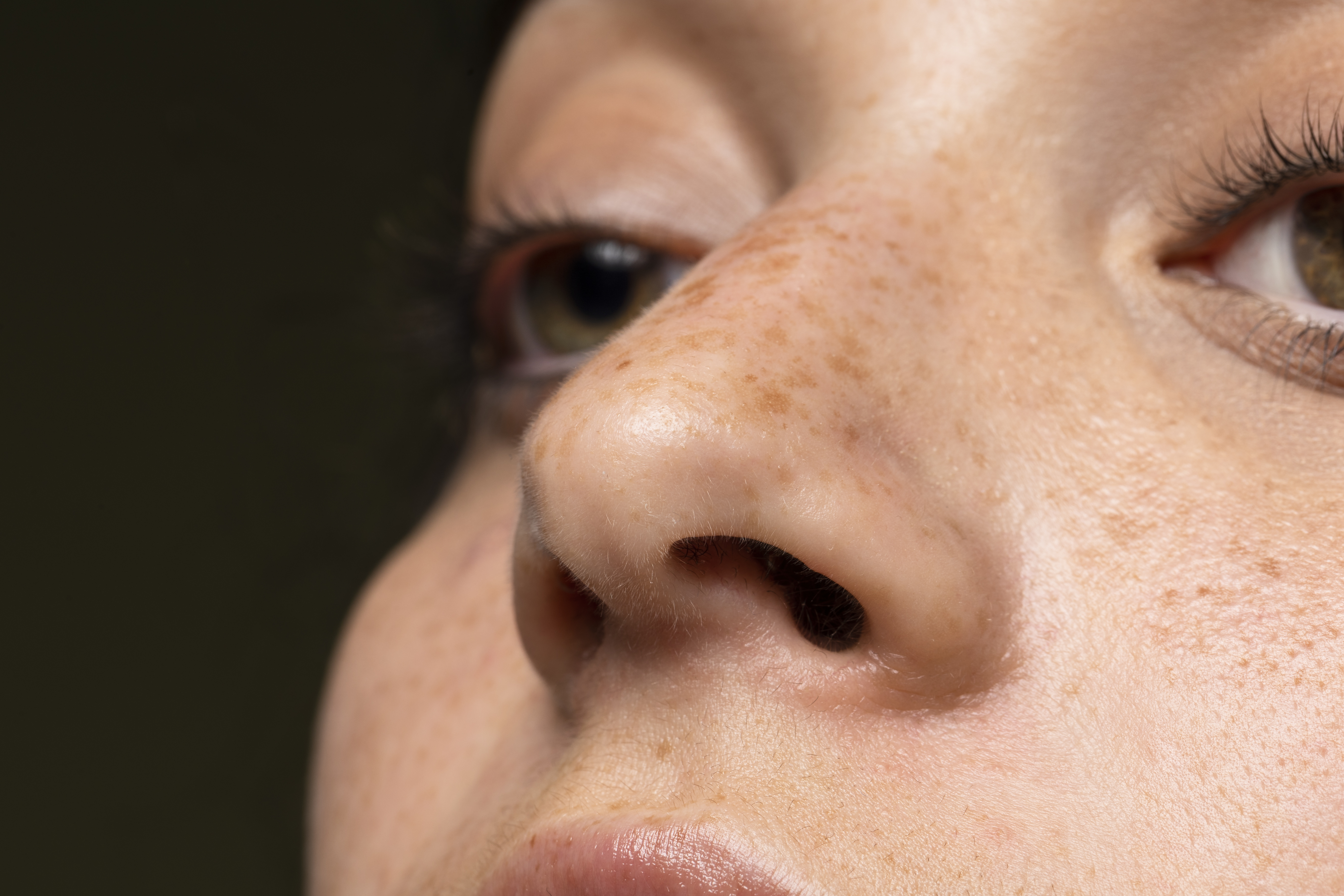
Hormonal melasma is a form of hyperpigmentation associated with hormonal changes in the body. It often appears as dark brown spots or patches that lie deeper than common surface-level melasma.
Hormonal melasma is commonly seen in:
- Women after childbirth
- Women entering perimenopause
- People with irregular menstrual cycles
- People using birth control pills or hormone-related medication
- People experiencing prolonged stress, poor sleep, or lifestyle imbalance
The difficult part about deep-rooted melasma is that its pigment may sit in the dermis or deeper skin layers, making topical creams alone less effective than expected.
The Connection Between Estrogen and Hormonal Melasma
Estrogen plays an important role in the female body. When estrogen fluctuates or becomes imbalanced, melanocyte activity may become overstimulated.
Estrogen Stimulates Melanocyte Activity
Melanocytes are pigment-producing cells responsible for melanin, the pigment that determines skin color. When hormones change, melanocytes may become overactive and produce excessive melanin.
This excess melanin gradually accumulates, forming visible dark spots on the skin.
Melasma Roots Develop Deep Within the Skin
Unlike surface melasma, hormonal melasma tends to develop deeper in the skin. When melanin accumulates in deeper layers, the pigmentation becomes darker, more stubborn, and more likely to return if not treated correctly.
This is why many people use whitening or melasma creams for a long time but only see slight fading, followed by the pigmentation becoming darker again after sun exposure or continued hormonal imbalance.
Why Does Hormonal Melasma Treatment Require Patience?
Treating hormonal melasma is not simply about fading visible dark spots. It is a process that needs to address multiple factors at the same time: pigmentation, skin foundation, skin barrier health, and internal triggers.
It Cannot Be Treated Hastily
Deep-rooted melasma needs time for the skin to respond to treatment. Overly aggressive treatments, harsh peeling products, or quick-fix whitening solutions may weaken the skin, cause irritation, and increase the risk of post-inflammatory hyperpigmentation.
A safe treatment protocol should focus on:
- Gradually fading pigmentation
- Strengthening the skin foundation
- Controlling melasma-triggering factors
- Maintaining strict sun protection and proper skincare
It Requires Both Technology and Internal Care
For hormonal melasma, advanced technology helps target pigmentation located deep under the skin. However, for longer-lasting results, patients should also pay attention to sleep quality, stress management, hormonal balance, skincare habits, and daily skin protection.
Sun Protection Is Essential
Sunlight is one of the strongest triggers for melasma. UV rays can stimulate melanocytes, making pigmentation darker and more likely to recur.
During melasma treatment, sunscreen is not just a basic skincare step. It is a crucial part of the treatment protocol.
Deep-Rooted Melasma Treatment Protocol at Oceania Spa & Clinic Ba Son (Ho Chi Minh)
At Oceania Spa & Clinic Ba Son (Ho Chi Minh), hormonal melasma treatment is personalized according to each skin condition. Doctors assess the severity of melasma, pigment depth, current skin health, and previous treatment history before creating a suitable plan.
Medical-Grade Pico Laser Technology
Pico Laser uses ultra-short pulses of high energy to target melanin particles beneath the skin. The laser energy helps break pigment into smaller fragments, which are then gradually eliminated by the body’s natural processes.
Key advantages of Pico Laser in treating deep-rooted melasma include:
- Precisely targeting pigmented areas
- Supporting the breakdown of deep melanin deposits
- Minimizing surface damage when performed correctly
- Suitable for advanced melasma treatment protocols
- Helping the skin look brighter and more even-toned over time
Multi-Layer Skin Recovery
After targeting pigmentation, the skin needs to be restored to become stronger and reduce the risk of melasma recurrence. Oceania Spa & Clinic Ba Son (Ho Chi Minh) combines biological skin-repair nutrients such as PN Healer to support cell regeneration, strengthen skin structure, and improve the overall health of the skin foundation.
A healthier skin foundation helps the melasma treatment process become safer, more stable, and more effective.
Direct Consultation With Dermatology Specialists
Hormonal melasma is a complex condition and should not be treated with a one-size-fits-all approach. At Oceania Spa & Clinic Ba Son (Ho Chi Minh), dermatology doctors directly examine and evaluate the skin before recommending a treatment protocol.
This personalized approach helps reduce common risks such as:
- Treating the wrong pigment layer
- Skin irritation
- Post-inflammatory hyperpigmentation
- Rapid melasma recurrence
- Weakened, thinner, or more sensitive skin after treatment
Benefits of Treating Hormonal Melasma With the Right Protocol
A proper treatment protocol does more than fade pigmentation. It also improves the overall quality and resilience of the skin.
Potential benefits include:
- Gradual fading of dark melasma spots
- Improvement in uneven skin tone
- Brighter and fresher-looking skin
- Stronger skin barrier
- Reduced risk of melasma spreading or becoming darker
- Lower recurrence risk when combined with proper care
- Greater confidence in daily communication
The key point is that results take time. With deep-rooted melasma, patience and adherence to the treatment plan play a decisive role.
Who Is Suitable for Hormonal Melasma Treatment?
The hormonal melasma treatment protocol at Oceania Spa & Clinic Ba Son (Ho Chi Minh) is suitable for people who have:
- Melasma appearing after childbirth
- Dark pigmentation on both cheeks, forehead, or temples
- Long-term melasma that has not improved with topical products
- Hyperpigmentation related to hormonal imbalance
- Recurring melasma after previous treatments
- A desire for a safe, medical, and structured treatment approach
- A need for doctor-led skin assessment before advanced technology treatment
If you have previously used mixed creams, harsh peeling products, or inappropriate melasma treatments, a doctor’s consultation is especially important to reassess your skin health before starting a new protocol.
Deep-Rooted Melasma Treatment Process at Oceania Spa & Clinic Ba Son (Ho Chi Minh)
Step 1: Consultation and Skin Analysis
The doctor checks the melasma condition, pigment depth, skin sensitivity, and previous treatment history.
Step 2: Personalized Treatment Planning
Based on the actual skin condition, the doctor creates a suitable treatment roadmap. The protocol may combine Pico Laser, skin recovery treatments, and at-home skincare guidance.
Step 3: Pico Laser Treatment
Pico Laser is used to target melanin pigments located deep under the skin. The procedure requires proper settings, correct technique, and a treatment approach tailored to each skin foundation.
Step 4: Skin Recovery and Nourishment
After treatment, the skin is cared for with regenerative nutrients to help reduce irritation and strengthen the skin foundation.
Step 5: Monitoring and Protocol Adjustment
The doctor monitors how the skin responds after each session and adjusts the treatment plan when necessary to ensure safety and better results.
Important Notes When Treating Hormonal Melasma
To improve treatment results and reduce the risk of recurrence, you should:
- Apply sunscreen every day, even when staying indoors
- Avoid harsh peeling creams or fast-whitening products
- Moisturize and repair the skin barrier consistently
- Get enough sleep and reduce prolonged stress
- Avoid stopping the treatment midway when the melasma has only slightly faded
- Follow up on schedule so the doctor can monitor progress
- Avoid combining peels, lasers, or strong treatments at multiple places at the same time
Melasma treatment is a journey. The more rushed the treatment, the easier it is for the skin to become damaged. The more accurate the protocol, the more stable and sustainable the results can be.
SEO FAQ About Hormonal Melasma
Can hormonal melasma be treated completely?
Hormonal melasma can improve significantly when treated according to the correct cause and protocol. However, because it is related to hormones and sun exposure, it may still recur if the skin is not properly protected and cared for.
Can deep-rooted melasma disappear with topical creams?
Topical creams may help brighten the skin and control pigmentation to a certain extent. However, with deep-rooted melasma, pigment lies in deeper skin layers, so medical technologies such as Pico Laser are often needed for better results.
Does Pico Laser treatment make the skin thinner?
When performed with the correct indication, settings, and technique by a qualified doctor, Pico Laser can help break down pigmentation while minimizing surface skin damage. After laser treatment, the skin still needs proper recovery care and strict sun protection.
Is postpartum melasma a type of hormonal melasma?
Postpartum melasma is often related to hormonal changes during and after pregnancy. It is a common form of hormonal melasma. However, to know whether the pigmentation is shallow or deep, a direct skin examination and skin analysis by a doctor are recommended.
How long does hormonal melasma treatment take?
Treatment duration depends on melasma severity, pigment depth, skin condition, and post-treatment care. Deep-rooted melasma usually requires multiple sessions and stage-by-stage monitoring. It should not be expected to fade completely after only one treatment.
Oceania Spa & Clinic Ba Son (Ho Chi Minh) Book a Hormonal Melasma Consultation at Oceania Spa & Clinic Ba Son (Ho Chi Minh)
Hormonal melasma should not be treated based on guesswork. Every skin condition has different causes, pigment depth, and recovery ability. That is why consulting a doctor is an important first step in choosing the right protocol from the beginning.
If you are dealing with postpartum melasma, long-term melasma, recurring pigmentation, or pigmentation that has not improved despite using many products, book a consultation at Oceania Spa & Clinic Ba Son (Ho Chi Minh) for a direct skin assessment and a personalized treatment plan created by dermatology doctors.
Oceania Spa & Clinic Ba Son (Ho Chi Minh) – Advanced melasma treatment and skin recovery for brighter, healthier skin from within.