


Platelet-Rich Plasma (PRP) has become one of the most sought-after regenerative aesthetic treatments for skin rejuvenation, acne scar management, and selected cases of hair loss.
Unfortunately, the growing popularity of PRP has also led to an increasing number of unlicensed beauty spas offering low-cost PRP procedures performed by individuals without appropriate medical training. While these offers may seem attractive, they can expose patients to unnecessary health risks, including infection and procedure-related complications.
Contents
What Is PRP?
PRP (Platelet-Rich Plasma) is a medical procedure that uses the patient’s own blood.
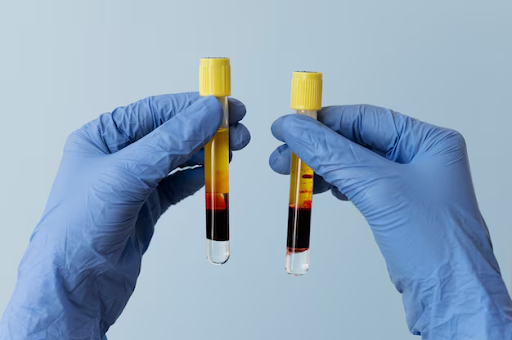
A small blood sample is collected and processed using a specialized centrifuge to concentrate platelets and growth factors. The prepared plasma is then injected into or applied to the treatment area, depending on the clinical indication.
Because PRP involves blood collection and injection, it requires strict aseptic technique, proper medical evaluation, and professional clinical judgment.
What Are the Benefits of PRP?
Depending on the patient’s condition, PRP may be recommended to support:
Skin Rejuvenation
PRP may improve skin quality and firmness by stimulating the body’s natural healing and regenerative processes.
Acne Scar Management
PRP is sometimes combined with microneedling or laser treatments to support skin repair in acne scar treatment plans.
Hair Loss Treatment
In selected patients, PRP may be incorporated into comprehensive hair restoration programs.
Results vary depending on the individual’s condition, treatment technique, and biological response.
Why PRP Is Not a Standard Beauty Treatment
Unlike routine cosmetic facials, PRP is a medical procedure involving:
- Medical consultation
- Blood collection
- Centrifuge processing
- Sterile preparation
- Injection or clinical application
- Post-treatment monitoring
Each step requires appropriate medical training and adherence to infection control protocols.
For this reason, PRP should only be performed in licensed medical facilities by qualified healthcare professionals according to local regulations.
Risks of PRP at Unlicensed Spas
Receiving PRP from facilities that lack proper licensing or medical oversight may increase the risk of complications.
Infection
Poor sterilization practices may allow bacteria to enter the treatment area, potentially leading to skin or soft tissue infections.
Cross-contamination
Improper handling of blood samples may increase the risk of contamination between patients.
Incorrect injection techniques may contribute to prolonged swelling, bruising, inflammation, or other adverse events.
Limited Emergency Response
Non-medical beauty spas may not be equipped to recognize or manage medical complications should they occur.
How to Choose a Safe PRP Provider
Before undergoing PRP treatment, patients should confirm that:
- The clinic is appropriately licensed.
- A qualified physician evaluates the patient.
- Medical-grade equipment is used.
- Sterile protocols are strictly followed.
- Risks, benefits, and treatment expectations are clearly explained.
- Appropriate follow-up care is available.
Price should never be the sole deciding factor when selecting a PRP provider.
Why Patients Choose Oceania for PRP Treatments
At Oceania, PRP treatments begin with a comprehensive medical consultation to determine whether the procedure is appropriate for each patient.
Treatments are performed in a licensed medical setting following strict infection-control protocols, with physician oversight throughout the treatment process. Patients also receive personalized aftercare instructions and follow-up support to promote recovery and optimize treatment outcomes.
Conclusion
PRP is an advanced medical procedure—not a routine beauty service.
Because it involves blood collection and injection, patient safety depends on qualified medical professionals, sterile techniques, and treatment within a licensed healthcare facility.
Choosing a reputable medical provider helps reduce the risk of infection and supports safer, more appropriate care.
Frequently Asked Questions
Is PRP considered a medical procedure?
Yes. PRP involves blood collection, laboratory processing, and injection, making it a medical procedure.
Can beauty spas legally perform PRP?
Requirements vary by jurisdiction. Patients should verify that the provider complies with local regulations and that qualified medical professionals perform the procedure.
Is infection possible after PRP?
Although uncommon when proper sterile techniques are followed, infection is a recognized potential risk of any procedure involving skin penetration.
Does PRP hurt?
Most patients experience mild discomfort during treatment. The level of discomfort varies between individuals.
How long does it take to see PRP results?
Depending on the indication, improvements typically develop gradually over several weeks to months.