


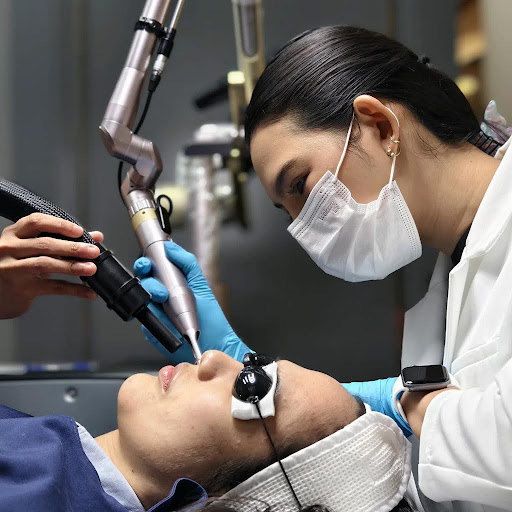
Pico Laser technology is widely acclaimed as a premier breakthrough for shattering stubborn hyperpigmentation and brightening the skin. However, many individuals find themselves trapped in a frustrating cycle: shortly after stopping laser treatments or experiencing minor sun exposure, melasma aggressively resurfaces—sometimes even darker than before. This occurs because many mistakenly believe melasma is merely a superficial pigment deposit that can be permanently erased in a few sessions. In reality, from a dermatological perspective, melasma is a chronic condition of Melanocyte pigment cells, tightly linked to underlying vascular proliferation that feeds pigment formation. At Oceania Clinic, our comprehensive Melasma Management protocol—combining targeted vascular control, cellular stabilization, and medical sun protection—is the key to long-term pigment control and resilient skin health.
Scientific Context: Why Melasma Is a Chronic Condition of Melanocytes
The persistent recurrence of melasma post-laser treatment stems from complex deep-tier biological mechanisms that standalone laser sessions cannot fully resolve:
- Chronically Hyperactive Melanocytes: In melasma-prone skin, melanocytes remain in a hyper-reactive state. Minor triggers such as UV radiation, hormonal shifts, or improper thermal energy instantly signal these cells to overproduce Melanin.
- Vascular Melasma – The Overlooked Link: Beneath chronic melasma lesions lies an abnormal capillary network. These proliferation-inducing blood vessels continuously secrete growth factors (such as VEGF and bFGF) that feed melanocytes and perpetuate hyperpigmentation.
- Limitations of Standalone Pico Laser: While Pico Laser utilizes picosecond pulse durations to shatter Melanin into micro-particles for natural lymphatic clearance, it does not deactivate melanocyte hyperactivity nor suppress underlying feeding vessels on its own.
Efficacy of Oceania’s Holistic Melasma Management Protocol
To halt the frustrating cycle of melasma relapse, Oceania Clinic applies a multi-targeted Melasma Management strategy addressing both pigment clusters and the underlying dermal microenvironment:
- Precision Pico Laser Pigment Shattering: Advanced laser energy targets dermal and epidermal Melanin without thermal trauma or rebound hyperpigmentation.
- Targeted Vascular Control Therapy: Specialized vascular therapies selectively coagulate hyperplastic micro-vessels beneath melasma lesions, cutting off nutrient supply and returning melanocytes to a quiescent state.
- Medical Maintenance & Photoprotection: Dermatologists design customized skin barrier restoration regimens utilizing Tyrosinase inhibitors (such as Tranexamic Acid and Niacinamide) paired with broad-spectrum medical sunscreens protecting against UV rays and High-Energy Visible (HEV) light.
Medical-Grade Melasma Management Experience at Oceania Clinic
Managing chronic melasma requires sophisticated diagnostic precision and long-term medical care from expert dermatologists:
- Physician-Led Personalization: 100% of consultations are directly managed by expert dermatologists utilizing 3D skin analysis to assess pigment density and vascular depth.
- FDA-Approved Technologies & Dermocosmetics: Cutting-edge Pico Laser systems alongside internationally certified pigment-suppressing serums ensure maximum efficacy and skin safety.
- Medical Sterile Standards & Transparent Pricing: Non-invasive treatments delivered with absolute medical precision and clear, all-inclusive pricing without hidden costs.
Do not let chronic melasma diminish your confidence and skin vitality! Visit Oceania Spa & Clinic today to experience our medical-grade Melasma Management protocol and achieve sustained, radiant skin clarity.
Explore Oceania: Oceania Spa & Clinic
- Official Websites: oceaniaspa.vn | clinic-hanoi.oceaniaspa.vn
- Southern Branch: clinic-hochiminh.oceaniaspa.vn
- Branch 2 Address (HCMC): SH06 – Aqua 3, Vinhomes Golden River, 2 Ton Duc Thang Street, Ben Nghe Ward, District 1, HCMC, Vietnam
- Hotline: (+84) 36 637 0508
Results vary depending on individual skin condition, biological response and treatment protocol. This content is for general information and does not replace professional medical consultation or diagnosis.