


Contents
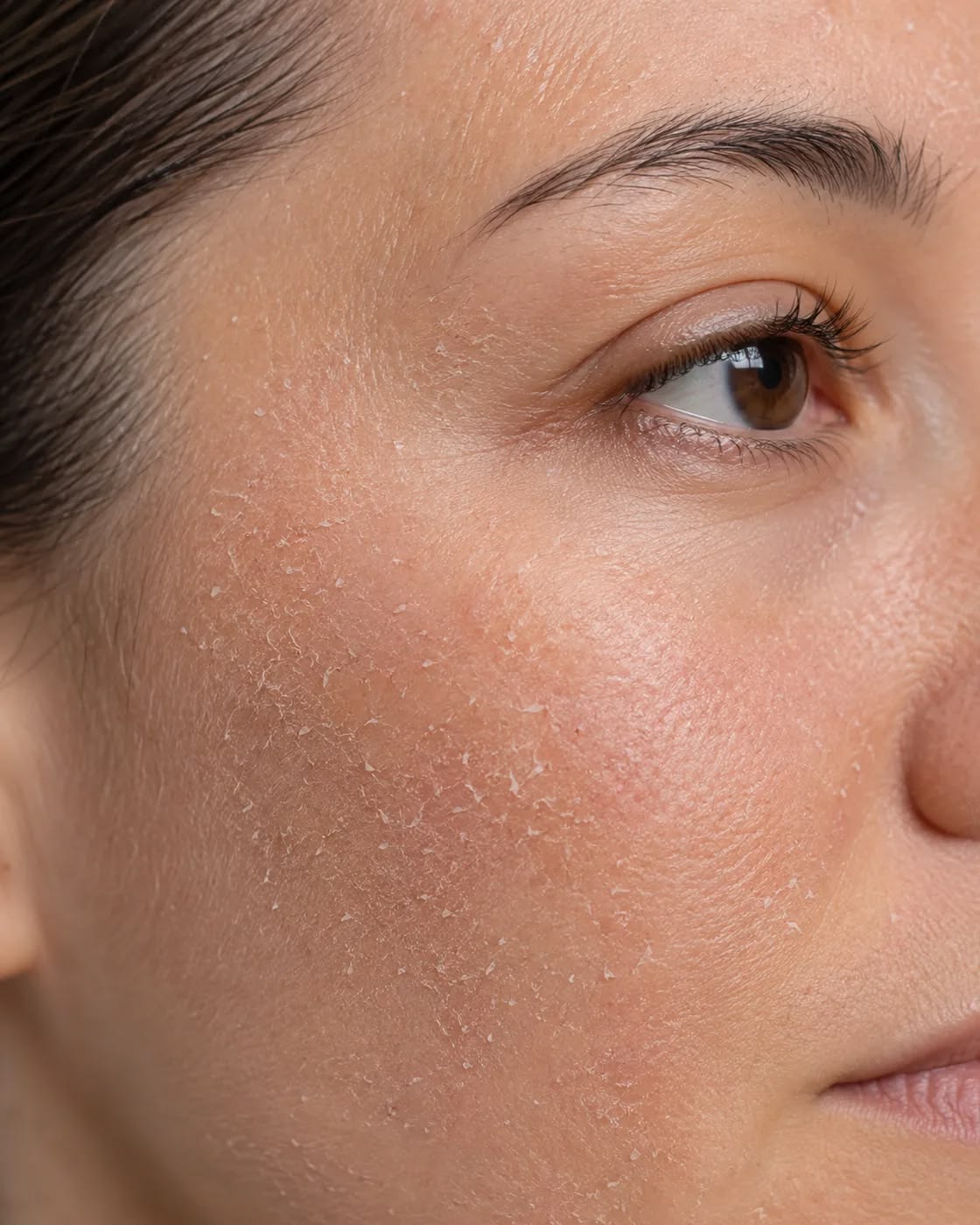
Dry, Flaky Winter Skin: Should You Consider HA Mesotherapy for Deeper Hydration?
Winter can be particularly hard on the skin. Even with a richer moisturizer, you may still notice tightness, flaking, rough texture and makeup that no longer sits smoothly.
This is not always because you are using “too little moisturizer.” Cold weather, low humidity, indoor heating and hot showers can weaken the skin barrier and increase water loss through the epidermis.
For skin that still looks dehydrated, dull and less plump despite a consistent skincare routine, HA Mesotherapy may be considered as an additional skin-quality treatment. It should not replace moisturizers, but it can form part of a more comprehensive seasonal skincare plan.
1. Why Does Skin Stay Dry in Winter Even When You Use Moisturizer?
Healthy skin needs to do two things effectively: hold water within the outer layers and prevent excessive water from evaporating.
During colder months, lower humidity can compromise the stratum corneum and its lipid barrier. As the skin becomes less efficient at retaining moisture, transepidermal water loss (TEWL) increases, contributing to dryness, tightness, scaling and irritation.
Moisturizer remains essential. Humectants attract water, while emollients and occlusive ingredients help support the skin barrier and reduce evaporation. In fact, basic emollients remain standard care for xerosis, or clinically dry skin.
However, surface hydration is only one part of how healthy skin looks.
Some people continue to experience dullness, fine dehydration lines and a loss of plumpness even when their skincare routine is well managed. This is where intradermal HA treatments have become relevant in aesthetic dermatology.
Hyaluronic Acid is highly hydrophilic and interacts strongly with water. It is frequently described in scientific literature as being capable of holding very large amounts of water — often quoted as up to 1,000 times its own weight, although the literal interpretation of that figure has been questioned in more recent research.
From a skin-quality perspective, the more important point is that HA plays a major role in maintaining a hydrated extracellular environment.
2. Is HA Mesotherapy Worth Considering for Winter-Dehydrated Skin?
HA Mesotherapy involves delivering small amounts of Hyaluronic Acid into the skin through controlled micro-injections.
Unlike volumizing dermal fillers, the goal is not to reshape facial features. The treatment is designed to support hydration, smoother texture and overall skin quality.
Clinical studies of intradermal non-cross-linked HA have reported improvements in parameters including skin hydration, elasticity, radiance and fine lines following a treatment course. Results, however, vary between individuals and HA Mesotherapy should not be presented as a universal treatment for all types of dry skin.
It may be considered for people experiencing:
- Skin that still looks dehydrated despite regular moisturizing.
- Rough or less supple texture.
- Fine dehydration lines that appear more noticeable in winter.
- Dull, tired-looking skin.
- Reduced plumpness and healthy-looking radiance.
The skin does not necessarily look perfect immediately after treatment.
Small micro-injection bumps, mild redness or slight sensitivity can occur initially. According to Oceania’s Mesotherapy treatment guidance, some clients begin to notice smoother, plumper and more hydrated-looking skin around Days 3–5 as the skin settles.
It is also important to understand that moisturizers and HA Mesotherapy serve different purposes.
Topical skincare supports the epidermal barrier and reduces water loss, while intradermal HA treatment is used as an aesthetic approach to support hydration and skin quality at another level.
The ideal winter strategy is therefore not:
“Replace moisturizer with Mesotherapy.”
It is:
Barrier repair + daily moisturization + HA Mesotherapy when clinically appropriate.
If the skin is severely cracked, intensely inflamed, actively eczematous or infected, a medical assessment should come before an elective injectable treatment.
3. Why Choose Oceania for Winter HA Mesotherapy?
The outcome of Mesotherapy depends on more than simply having Hyaluronic Acid injected into the skin. Product selection, injection depth, spacing, technique and the condition of the skin before treatment all matter.
At Oceania Spa & Clinic, HA Mesotherapy follows a physician-led, individualized approach rather than using the same treatment pattern for every patient.
Skin assessment before treatment
Winter dryness may result from environmental dehydration, a compromised skin barrier, excessive use of active skincare ingredients or an underlying dermatological condition.
The physician assesses dryness, sensitivity, barrier condition and treatment goals before determining whether Mesotherapy is appropriate.
Non-cross-linked HA for skin-quality treatment
Unlike highly cross-linked HA used in structural dermal fillers, skin-booster protocols focus on HA designed to distribute within the treated tissue and support hydration, smoothness and a healthier-looking complexion.
Controlled micro-injection technique
Oceania’s Mesotherapy protocols may incorporate systems such as the IVE-700, together with physician-selected injection techniques depending on the individual skin condition.
The aim is not to inject the greatest possible amount of product. Treatment focuses on controlling depth, spacing, volume and treatment area so that the procedure is tailored to the patient.
Structured aftercare and follow-up
Following Mesotherapy, clients receive guidance on gentle cleansing, moisturization, sun protection and temporarily avoiding potentially irritating skincare actives.
This is particularly important during winter. If the epidermal barrier continues to lose moisture, an injectable treatment alone cannot replace consistent daily skin care.
Conclusion
Winter dryness is not simply a sign that you need a thicker cream. Cold weather and low humidity can disrupt the skin barrier, increase water loss and leave the complexion rough, flaky and less radiant.
HA Mesotherapy may be a useful addition for patients looking to improve hydration and overall skin quality, but it should complement — not replace — a well-designed barrier-repair routine.
The most effective seasonal skincare plan combines appropriate daily care with aesthetic treatment only when it is genuinely needed.
Contact Oceania Spa & Clinic for a physician-led skin assessment and a personalized HA Mesotherapy plan for the dry winter season.