

BA SON · HO CHI MINH CITY

Laser pigmentation treatment in Ho Chi Minh City

Sun spots, freckles, melasma, birthmarks, tattoos and spider veins: our doctors find out which pigment you have, then plan your treatment.

Performed with FDA-cleared, CE-marked Q-switched and picosecond lasers at our Ba Son clinic.

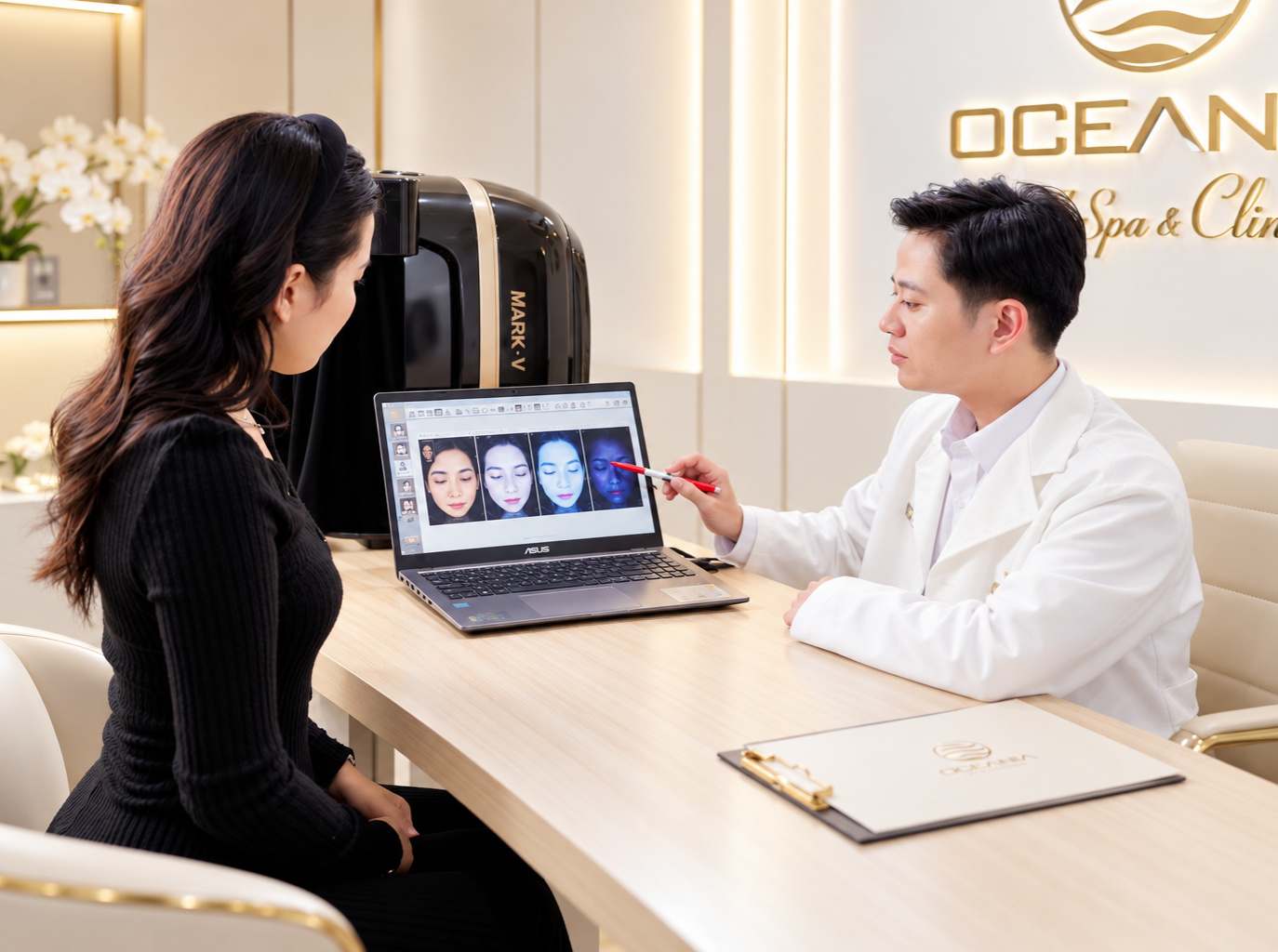
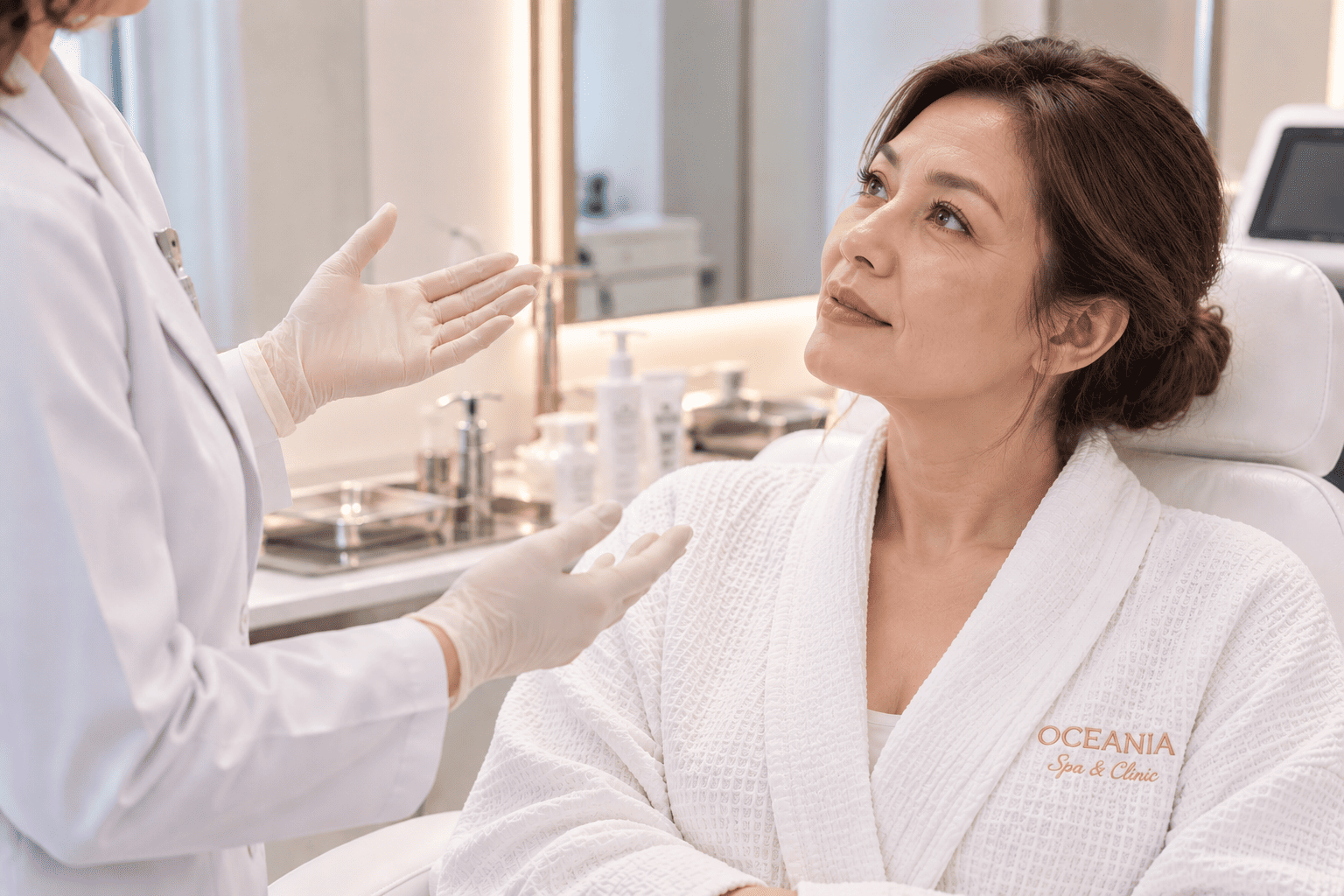
Consultation room

At a glance

Session: Varies by treatment plan, normally less than 60 minutes
Number of sessions depends on the type of pigment
Melasma needs sun protection and maintenance
Your doctor sets the energy for your skin type

What laser can do for your pigmentation

1

Sun spots

According to a 2025 systematic review, sun spots (solar lentigines) usually needed only one or two laser sessions in most studies.

2

Melasma

According to a 2022 systematic review, laser toning (low-fluence Q-switched Nd:YAG 1064 nm) improved melasma on both subjective and objective measures in most studies, usually after 9 to 10 sessions.

3

Hori's nevus

According to a 2026 meta-analysis, for Hori’s nevus, completing four to six sessions may matter more than choosing Q-switched or picosecond laser.

4

Tattoos

In a study of 116 people removing black tattoos with picosecond laser, it took 6 sessions on average to clear the ink, from 2 to 20, with denser ink needing more sessions.

5

Spider veins on the face

In a retrospective study, long-pulsed 1064 nm Nd:YAG brought 97% of facial telangiectasia cases to the top response grade of the scale after 5 sessions.

6

Leg veins

According to a Cochrane review, for leg telangiectasia, laser worked as well as sclerotherapy and caused less hyperpigmentation.

Other uses listed by the maker

Alongside these, other listed indications for Q-switched and picosecond lasers are freckles, café-au-lait spots, nevus of Ota and seborrheic keratosis.

What the research shows

1 session

In a randomized split-face trial in women with Fitzpatrick III-V skin, after a single treatment, 532 nm picosecond laser cleared sun spots better than 532 nm Q-switched laser as rated by blinded dermatologists at 12 weeks.

Kim JY et al. Ann Dermatol 2020. PubMed

5 sessions

In a randomized split-face trial, the laser-toning side improved its melasma score markedly more than the control side after 5 sessions one week apart.

Wattanakrai P et al. Dermatol Surg 2010. PubMed

110 patients

In a retrospective study of 110 Hori’s nevus patients treated with 1064 nm Q-switched Nd:YAG, sessions 3 to 6 months apart, the rate of good to excellent clearance rose with the number of sessions.

Yang X et al. Skin Res Technol 2023. PubMed

Which pigment do you have?

Melasma usually shows as symmetric hyperpigmented patches with irregular borders on the centre of the face, the cheeks and the jaw; histologically it has three types: epidermal, dermal and mixed.

Melasma and Hori’s nevus can look alike; dermoscopy helps tell them apart: in one study, blue-brown or grey colour was found only in Hori’s nevus, not in melasma.

Melasma has several causes: sunlight is the most important environmental factor, visible light also pigments darker skin, along with hormones (pregnancy, the pill) and family history.

Often a good fit

  • Sun spots and freckles
  • Hori’s nevus and other birthmarks
  • Tattoos
  • Spider veins

Talk to us first

  • Melasma: it needs a long-term plan
  • Dark marks after acne
  • Pregnant or breastfeeding

Post-inflammatory hyperpigmentation (marks after acne) can fade on its own but often takes months to years; treatment starts with controlling the inflammation, plus topical lighteners and sun protection.

In pregnancy, sunscreen has been used to prevent and treat melasma with no adverse events reported; cosmetic laser and IPL are not indicated in pregnancy for lack of safety data, and hydroquinone should be minimised.

The doctor assesses your pigment type and skin at your consultation before recommending laser, a peel, creams or a combination.

Your visit at our Ba Son clinic

Consultation room
1. Skin assessment: which pigment, how deep
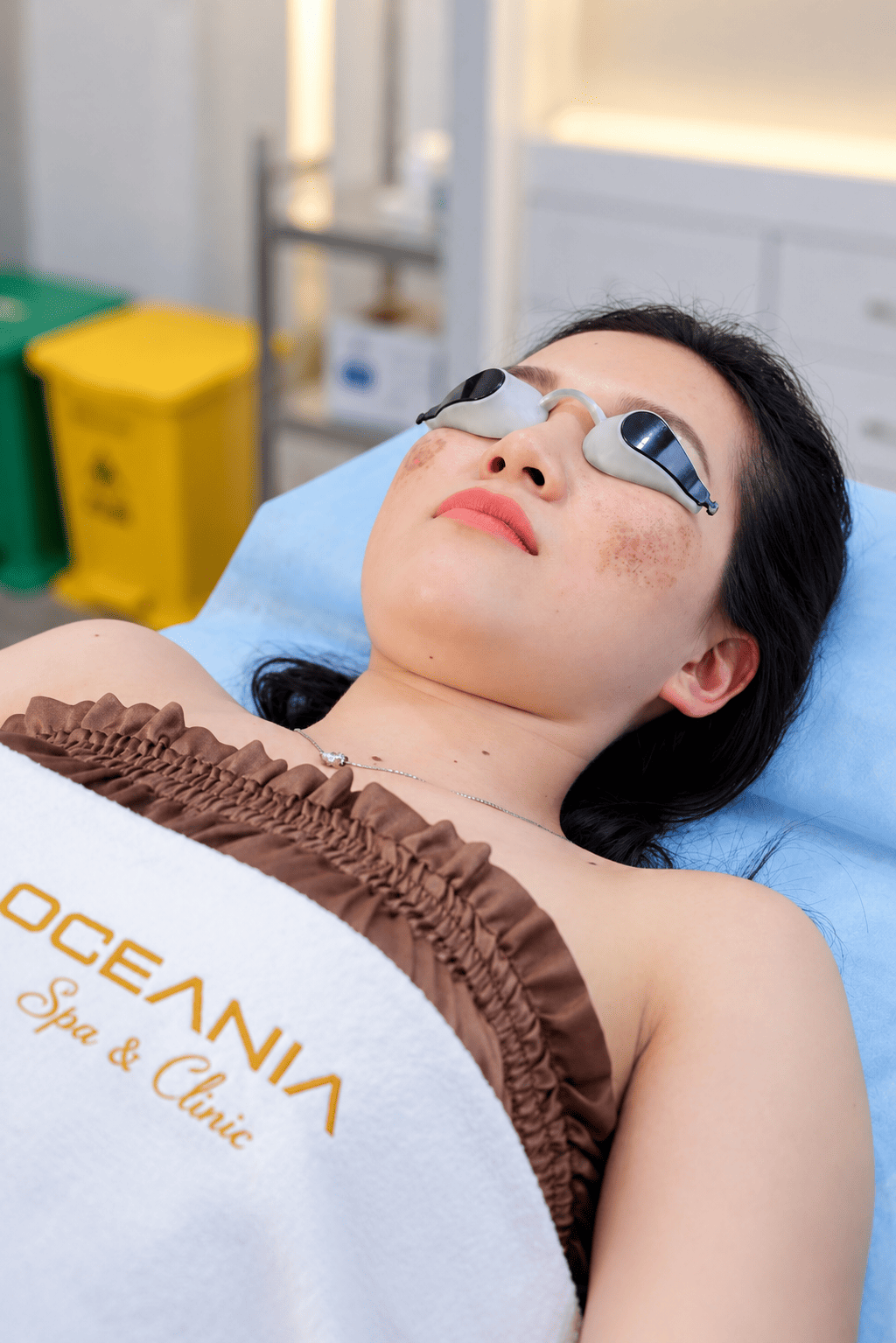
Eye-protection-and-preparation
2. Eye protection and preparation
Laser-treatment
3. Laser treatment
Sun-protection-and-aftercare
4. Sun protection and aftercare

See a session in 33 seconds

Transcript: Following a direct consultation, the doctor personally operates medical-grade energy wavelengths, applying them rhythmically and precisely to the target treatment area. Focused energy precisely fragments melanin granules into microparticles, which are then naturally eliminated through the body without causing surface damage or skin peeling. The doctor’s meticulous, medical-grade technique ensures optimal fading of dark spots, freckles, and hyperpigmentation. Post-treatment, the skin gradually recovers its even tone, becoming naturally radiant, smooth, and healthy from deep within.

What to expect, step by step

At your consultation

The doctor assesses your type of pigment and chooses the treatment, the settings and the number of sessions for your skin.

During treatment

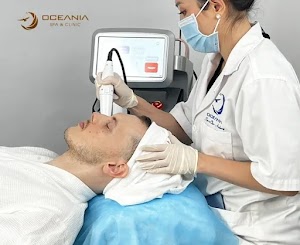
You may feel a brief stinging or snapping sensation with each laser pulse. A topical anaesthetic may be used when appropriate to make the treatment more comfortable.

The following days

Mild redness or swelling may occur and usually settles within a few days. Some treated spots may temporarily look darker or form light crusts before gradually fading. Avoid picking or scrubbing the treated area and protect your skin carefully from the sun.

At follow-up

Your doctor checks your skin and adjusts the energy and the spacing of the next sessions.

Sun protection and aftercare

In a randomized trial, tinted sunscreen (which also blocks visible light) let melasma relapse less than non-tinted sunscreen over 6 months.

Your skin may look slightly red straight after treatment. This usually settles within a few days. Some areas can darken or flake lightly before they settle.
What to do
  • Apply the post-laser repair cream we give you 2 to 4 times a day, on clean skin.
  • Apply sunscreen 2 to 4 times a day, 20 minutes before you go out.
  • Follow the home-care routine your doctor sets for you.
  • Wash gently with cool water and pat dry. Do not rub.
What to avoid
  • First 3 to 5 days: direct sun.
  • First 2 to 3 days: keep make-up to a minimum.
  • First week: swimming pools, facial massage, steam rooms and saunas.
  • Until your doctor says so: any other skin treatment.
  • Until it comes away on its own: picking or peeling any flaking skin.

Our pigmentation treatments

Laser toning

Melasma treatment with Picomax

MelaClear

MelaReju

MelaSuper

Melasma injection

Freckle and age spot treatment

Birthmark treatment

Tattoo removal

Carbon laser

Long-pulsed laser for spider veins, face and body

Toning Peel

The doctor recommends the treatment or combination that suits your pigment at your consultation.

Your plan and price, made for you

Every face is different. At your complimentary consultation, our doctor assesses your skin and recommends the plan that suits you, with your price and this month’s combos and offers.

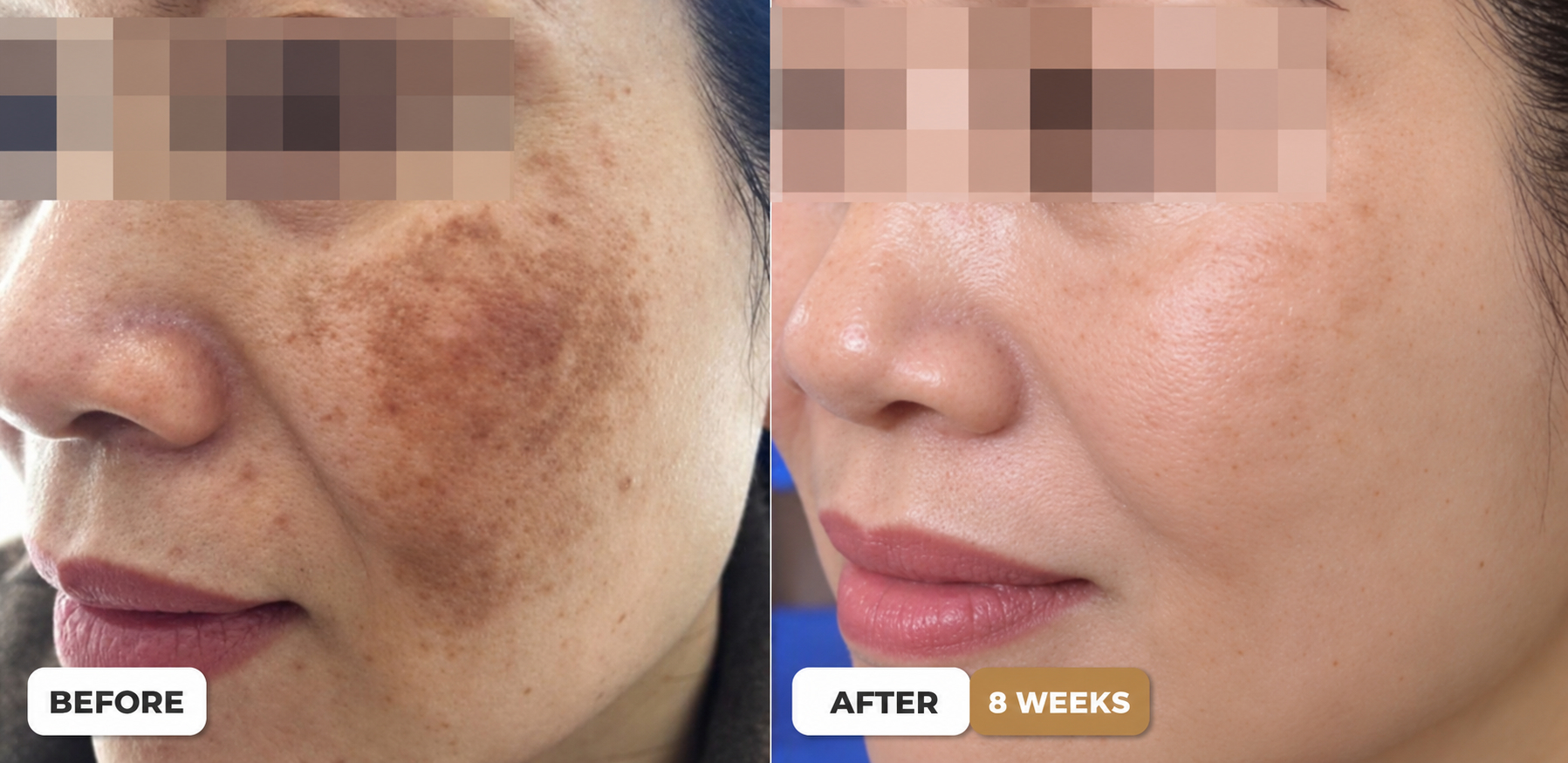
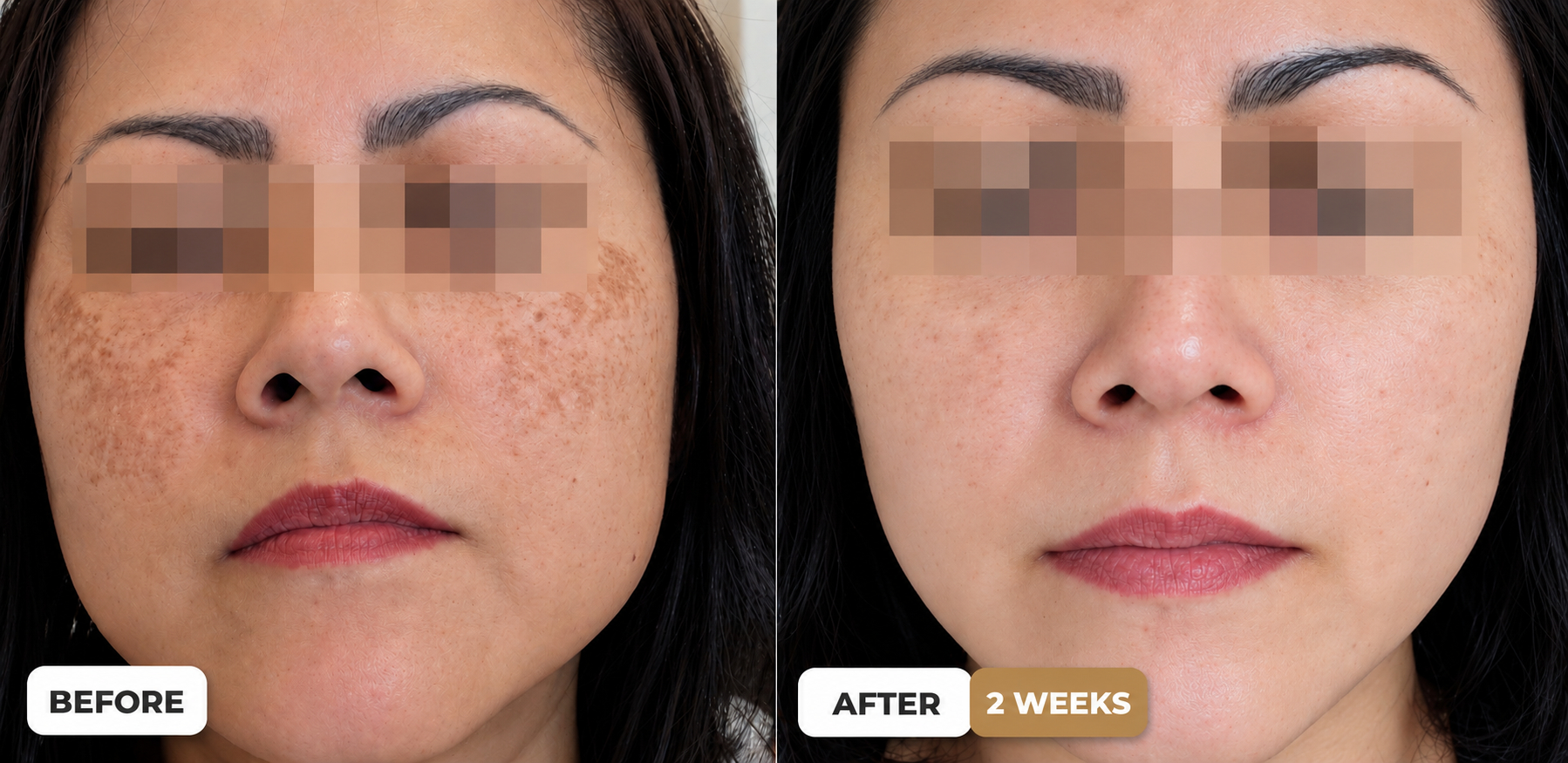
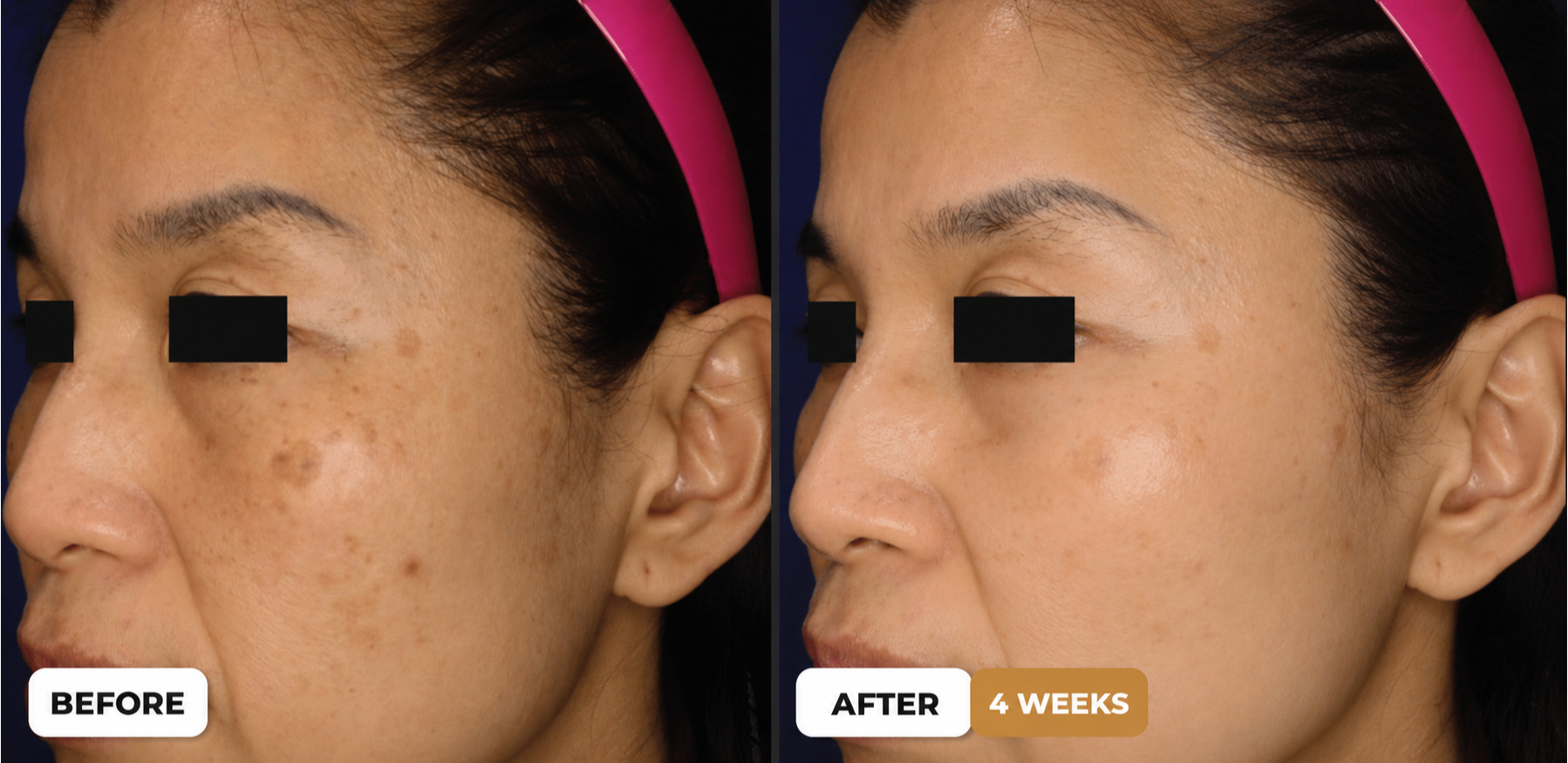
Real results from our clinic

Individual results vary.

What our clients say

Oceania Spa & Clinic Ba Son place picture
4.9
Based on 191 reviews

Questions people ask

Melasma is chronic and relapses easily; there is still no cure, so its treatment needs sun protection and maintenance alongside. In a study that followed patients for 1 year after a laser toning course, melasma came back in more than half of them.

According to a 2025 systematic review, sun spots (solar lentigines) usually needed only one or two laser sessions in most studies. According to a 2022 systematic review, laser toning (low-fluence Q-switched Nd:YAG 1064 nm) improved melasma on both subjective and objective measures in most studies, usually after 9 to 10 sessions. Your doctor gives you a plan at your consultation.

In medium to darker skin, laser for sun spots can leave dark marks (post-inflammatory hyperpigmentation); gentle settings make them much less likely and clear spots just as well, so your doctor chooses the energy for your skin.

Your doctor spaces toning sessions and adjusts the energy at each visit, because too much energy over a course can cause white spots (mottled hypopigmentation).

In pregnancy, sunscreen has been used to prevent and treat melasma with no adverse events reported; cosmetic laser and IPL are not indicated in pregnancy for lack of safety data, and hydroquinone should be minimised.

In a double-blind randomized split-face trial, 4% niacinamide cream reduced melasma nearly as much as 4% hydroquinone after 8 weeks, with fewer people having side effects.

Complications after laser tattoo removal are mostly mild and temporary, such as swelling and blistering; scarring and allergy are rare, but more frequent in darker skin, coloured tattoos and permanent make-up.

In a double-blind randomized split-face trial, intradermal tranexamic acid combined with vitamin C significantly reduced the melasma score, and the improvement lasted 3 months. 

According to a 2021 meta-analysis, PRP (platelet-rich plasma) reduced the melasma score, and patients were most satisfied when PRP was combined with Q-switched laser.

Related treatments

Dull or tired skin

Book your complimentary consultation

    Where can we reach you?

    Our team will review your message and help you understand the next best step.

    or

    General information; what suits you is decided in person.

    Ho Chi Minh ➡️