


Skin that becomes thin, red, hot, irritated, visibly vascular, inflamed, or flaky after using mixed creams can make many people feel anxious and discouraged. Beyond cosmetic concerns, the skin barrier is often weakened, making the skin more reactive and sensitive even to ordinary skincare products.
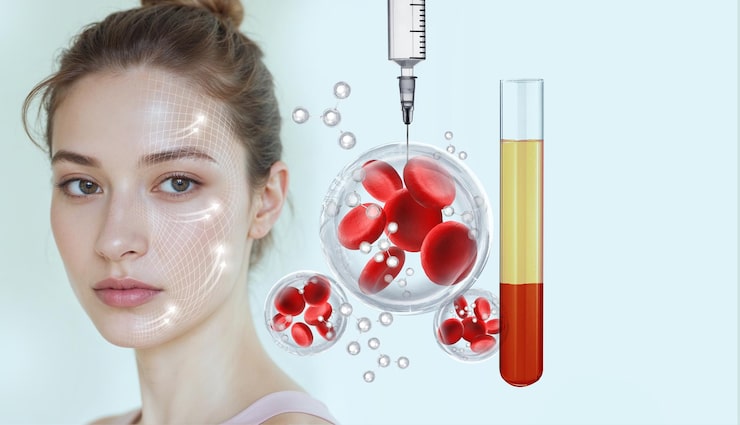
Among intensive skin recovery protocols, Bio-Stim Cellular Revive PRP is an autologous regenerative therapy designed to support damaged skin recovery, improve skin quality, and stimulate the skin’s natural repair process from within.
At Oceania Spa & Clinic Ba Son (Ho Chi Minh), the PRP protocol is personalized for thin, weakened, redness-prone, sensitive skin, visible capillaries, or skin damage caused by long-term uncontrolled use of corticosteroid-containing products.
Contents
- 1 What Is Bio-Stim Cellular Revive PRP?
- 2 Why Does Skin Damaged by Mixed Creams Need Intensive Recovery?
- 3 How Does PRP Support Corticosteroid-Damaged Skin Recovery?
- 4 Bio-Stim Cellular Revive PRP Protocol at Oceania Spa & Clinic Ba Son (Ho Chi Minh)
- 5 Step 1: In-Depth Consultation and Skin Analysis
- 6 Step 2: Autologous Blood Collection and PRP Separation
- 7 Step 3: Delivering Bio-Stim Cellular Revive PRP into the Skin
- 8 Step 4: Soothing, Hydration, and Post-Treatment Recovery
- 9 Key Benefits of Bio-Stim Cellular Revive PRP
- 10 Who May Be Suitable for PRP Recovery After Mixed Cream Damage?
- 11 When Should You Be Cautious Before PRP?
- 12 Skin Care After PRP for Corticosteroid-Damaged Skin
- 13 Why Choose Oceania Spa & Clinic Ba Son (Ho Chi Minh) for Skin Recovery After Mixed Cream Damage?
- 14 Oceania Spa & Clinic Ba Son (Ho Chi Minh) Contact Information
- 15 SEO FAQ
- 15.1 Can PRP help recover corticosteroid-damaged skin?
- 15.2 Can I do PRP immediately if my skin is red and irritated after using mixed creams?
- 15.3 Can PRP make the skin thicker?
- 15.4 Is PRP after mixed cream damage painful?
- 15.5 How long does it take for the skin to recover after PRP?
- 15.6 Should I stop using mixed creams before treatment?
- 16 CTA: Do Not Let Incorrect Treatment Damage Your Skin Further
What Is Bio-Stim Cellular Revive PRP?
Bio-Stim Cellular Revive PRP is a therapy that uses platelet-rich plasma extracted from the client’s own blood. This plasma contains natural growth factors that help support tissue recovery, skin regeneration, and fibroblast activity.
Simply put, PRP is not an instant external “beauty booster.” It is a method that utilizes the body’s own healing potential to support healthier skin restoration.
For skin damaged by mixed creams, the goal of PRP is not only to soothe the surface, but also to help rebuild a stronger skin foundation.
PRP may support:
- Skin barrier recovery
- Improvement of thin and weakened skin
- Reduction of redness, burning, and sensitivity
- Natural collagen and elastin regeneration
- Better skin elasticity and resilience
- A healthier skin foundation for future treatments
Why Does Skin Damaged by Mixed Creams Need Intensive Recovery?
Mixed creams are often advertised with claims such as fast whitening, rapid melasma fading, or instant acne clearing. However, many products of unclear origin may contain corticosteroids or strong peeling agents. When used for a long time, the skin can become dependent, weakened, and more likely to flare when the product is stopped.
Common signs include:
- Thin, fragile, redness-prone skin
- Burning, stinging, or hot sensations
- Visible capillaries around the cheeks, nose, or chin
- Inflamed acne, tiny bumps, or pustules
- Dryness, tightness, and flaking
- Increased sensitivity to skincare products
- Persistent redness or pigmentation
- Loss of oil-moisture balance
The challenge with corticosteroid-damaged skin is that it cannot be fixed simply by switching to a new skincare set or using stronger active ingredients. The skin needs to be properly assessed, inflammation must be controlled, the skin barrier must be repaired, and the skin foundation must be restored step by step.
How Does PRP Support Corticosteroid-Damaged Skin Recovery?
PRP contains growth factors that support tissue repair and skin regeneration. When delivered into the skin using an appropriate technique, PRP may stimulate beneficial biological responses in weakened skin.
1. Supporting Collagen and Elastin Regeneration
Skin damaged by mixed creams is often thin, fragile, and less elastic. PRP may help stimulate fibroblast activity, contributing to natural collagen and elastin regeneration.
As the collagen foundation improves, the skin may gradually become:
- Firmer
- Less fragile
- More elastic
- Less reactive and overly sensitive
2. Supporting Skin Barrier Recovery
A weakened skin barrier is one of the main reasons the skin becomes red, irritated, dry, tight, and reactive. PRP is used in recovery protocols to support the skin’s regenerative process and help the skin gradually stabilize.
When the skin barrier improves, the skin may retain moisture better, react less intensely, and respond more effectively to recovery-focused skincare.
3. Soothing Sensitive Skin
For skin that is red, hot, irritated, or easily stings, the first goal is not whitening or treating pigmentation immediately. The priority is to calm and stabilize the skin. PRP is often combined with recovery-focused steps such as infusion therapy, biological masks, LED light therapy, or soothing nutrients depending on the actual skin condition.
4. Supporting Post-Inflammatory Recovery
Corticosteroid-damaged skin can easily develop red marks, brown marks, or uneven pigmentation after inflammatory flare-ups. When the skin foundation becomes healthier, the skin’s natural repair ability can also improve, supporting a more even tone and smoother surface over time.
Bio-Stim Cellular Revive PRP Protocol at Oceania Spa & Clinic Ba Son (Ho Chi Minh)
At Oceania Spa & Clinic Ba Son (Ho Chi Minh), skin recovery after mixed cream damage is not performed using a one-size-fits-all formula. Each client needs skin analysis, damage-level assessment, and a personalized recovery plan.
Step 1: In-Depth Consultation and Skin Analysis
The doctor or dermatology specialist will evaluate signs such as:
- Degree of redness and irritation
- Visible capillaries
- Inflamed acne or tiny bumps
- Skin thinning and fragility
- Flaking, dryness, and tightness
- History of mixed cream or corticosteroid use
- Current at-home skincare products
This step is essential to determine whether the skin is in an acute inflammatory stage, a corticosteroid-dependent stage, or a stage that requires deep skin foundation recovery.
Step 2: Autologous Blood Collection and PRP Separation
A small amount of blood is collected from the client’s own body. The blood sample is then processed through a centrifuge system to separate platelet-rich plasma.
The collected PRP contains natural growth factors and is used in the recovery protocol to support skin tissue regeneration.
One advantage of PRP is that it uses the client’s own biological material, helping reduce the risk of incompatibility. However, the procedure must be performed under strict sterile conditions and by trained professionals.
Step 3: Delivering Bio-Stim Cellular Revive PRP into the Skin
Depending on the skin condition, the doctor may choose an appropriate PRP delivery method such as micro-point technique, mesotherapy, or a combination with supportive technology.
The goal is to deliver PRP to the areas that need recovery, supporting collagen and elastin regeneration and improving the damaged skin foundation.
For skin damaged by mixed creams, treatment parameters and technique must be carefully controlled to avoid further irritation.
Step 4: Soothing, Hydration, and Post-Treatment Recovery
After PRP, the skin needs to be calmed and protected carefully. At the clinic, clients may receive:
- Biological soothing masks
- Skin barrier recovery nutrients
- LED light therapy when suitable
- At-home skincare guidance
- Sun protection and irritation-prevention instructions
This stage is extremely important because skin damaged by mixed creams is usually fragile and reactive. Incorrect aftercare may prolong redness or trigger acne flare-ups again.
Key Benefits of Bio-Stim Cellular Revive PRP
Uses Autologous Platelet-Rich Plasma
PRP is extracted from the client’s own blood, making it aligned with natural recovery and reducing the risk of incompatibility.
Supports Skin Foundation Regeneration
Instead of only soothing the surface temporarily, PRP supports deeper regeneration, aiming to improve the overall quality of the skin foundation.
Suitable for Thin, Weakened, Sensitive Skin
For skin that has been over-thinned or damaged by mixed creams, PRP can be a supportive recovery option when assessed as suitable by a doctor.
Can Be Combined in a Multi-Layer Recovery Protocol
PRP is often not used alone. To optimize results, the doctor may combine it with recovery nutrients, LED therapy, infusion, topical medication, or at-home skincare depending on the condition.
Performed Under Professional Protocols
At Oceania Spa & Clinic Ba Son (Ho Chi Minh), the treatment is controlled from consultation, blood collection, centrifugation, PRP delivery, and post-treatment recovery guidance.
Who May Be Suitable for PRP Recovery After Mixed Cream Damage?
Bio-Stim Cellular Revive PRP may be suitable for people experiencing:
- Thin, red skin after long-term mixed cream use
- Skin that easily feels hot, irritated, or stinging
- Mild to moderate visible capillaries
- Weak skin with reduced resilience
- Dry, tight, flaky, and reactive skin
- Post-inflammatory skin requiring recovery
- Skin that needs regeneration after corticosteroid-related damage
However, not every skin condition can undergo PRP immediately. If the skin is in an acute inflammatory phase, infected, severely pustular, or affected by certain medical conditions, the doctor must carefully evaluate the case before recommending treatment.
When Should You Be Cautious Before PRP?
Clients should inform the doctor if they have:
- Blood clotting disorders
- Current use of blood-thinning medication
- Skin infection in the treatment area
- Severe inflammatory or pustular acne
- Autoimmune conditions
- Pregnancy or breastfeeding
- History of keloids or unusual reactions after procedures
- Current use of strong medications or active skincare products
Accurate information helps the doctor choose the right timing and recovery method.
Skin Care After PRP for Corticosteroid-Damaged Skin
After the treatment, skincare should be minimal, gentle, and recovery-focused.
Within the First 24–48 Hours
- Avoid touching the face frequently
- Do not wear makeup
- Avoid washing the face with hot water
- Do not use exfoliants, AHA, BHA, or retinol
- Avoid saunas and intense exercise
- Keep the skin clean and soothe it as instructed
During the Next 3–7 Days
- Use recovery products as directed
- Moisturize regularly
- Apply sunscreen carefully every day
- Avoid direct sun exposure
- Do not reuse mixed creams or fast-whitening products
- Monitor skin reactions and follow up as scheduled
Maintenance Phase
Once the skin becomes more stable, the doctor may consider adding recovery, brightening, or gentle pigmentation-control ingredients. The goal is to help the skin gradually become healthier, less dependent on corticosteroids, and less prone to irritation flare-ups.
Why Choose Oceania Spa & Clinic Ba Son (Ho Chi Minh) for Skin Recovery After Mixed Cream Damage?
Corticosteroid-damaged skin is complex and should not be self-treated at home with products recommended by word of mouth. At Oceania Spa & Clinic Ba Son (Ho Chi Minh), clients are treated through a more personalized and safety-focused approach.
Skin Assessment Before Treatment
Each skin condition has a different level of damage. Skin analysis and consultation help identify the actual condition before selecting PRP or other recovery methods.
Multi-Layer Recovery Protocol
Oceania Spa & Clinic Ba Son (Ho Chi Minh) does not focus on a single procedure only. The protocol may include calming, recovery, regeneration, protection, and long-term maintenance.
Medical-Grade Process and Sterility Control
With PRP, sterility and technique are extremely important. A professional process helps reduce risks and improve the treatment experience.
Post-Treatment Monitoring
Skin damaged by mixed creams may change through different stages. Monitoring and adjusting the protocol help limit irritation and support more stable recovery.
Oceania Spa & Clinic Ba Son (Ho Chi Minh) Contact Information
You can visit Oceania Spa & Clinic Ba Son (Ho Chi Minh) directly for skin analysis and a personalized recovery consultation:
Ho Chi Minh City: SH06 Aqua 3, Vinhomes Golden River, District 1
Website: Oceania Spa & Clinic Ba Son (Ho Chi Minh)
SEO FAQ
Can PRP help recover corticosteroid-damaged skin?
PRP may support damaged skin recovery, improve skin quality, and stimulate collagen regeneration. However, results depend on the severity of damage, individual skin response, and the overall treatment protocol.
Can I do PRP immediately if my skin is red and irritated after using mixed creams?
Not always. If the skin is in an acute inflammatory stage, severely red, or infected, the doctor may need to calm and stabilize the skin first before performing regenerative procedures.
Can PRP make the skin thicker?
PRP supports collagen and elastin regeneration, which may gradually improve thin and weakened skin. However, a suitable treatment plan and proper aftercare are necessary.
Is PRP after mixed cream damage painful?
The sensation depends on the delivery technique and skin sensitivity. Some clients may feel mild stinging or tightness for a short time.
How long does it take for the skin to recover after PRP?
Recovery time varies depending on skin condition and individual response. Some people may notice calmer skin after a few days, but improving thin, weakened skin after mixed cream damage usually requires a treatment course and proper maintenance.
Should I stop using mixed creams before treatment?
Stopping corticosteroid-containing or mixed creams should be guided by a doctor. In some cases, stopping suddenly may trigger redness, irritation, or inflammatory acne flare-ups, so self-management is not recommended if the skin is reacting strongly.
CTA: Do Not Let Incorrect Treatment Damage Your Skin Further
Skin damaged by mixed creams needs the right recovery protocol. You should avoid continuing to use fast-whitening products or treating the skin based on guesswork.
If you are experiencing thin, red skin, visible capillaries, flaking, acne flare-ups, or prolonged sensitivity after using mixed creams, let Oceania Spa & Clinic Ba Son (Ho Chi Minh) analyze your skin and create a personalized recovery plan.
Contact Oceania Spa & Clinic Ba Son (Ho Chi Minh) today for a doctor-led skin assessment and a Bio-Stim Cellular Revive PRP recovery protocol tailored to your skin condition.