


Contents
- 1 Introduction
- 2 What Is a Chemical Peel?
- 3 When Should You Consider a Chemical Peel?
- 4 When Should You Avoid Chemical Peels?
- 5 How Acids Work in Chemical Peels
- 6 Safety Warning: Do Not Self-Peel with High-Concentration Acids
- 7 Post-Peel Care
- 8 Why Choose Chemical Peel at Oceania Spa & Clinic Ba Son (Ho Chi Minh)?
- 9 FAQ
- 10 Call To Action
Introduction
Dull skin, acne marks, hidden acne, rough texture, and enlarged pores can make the skin look tired and uneven. When regular skincare is not enough, a chemical peel may be a suitable solution.
Chemical peel uses controlled concentrations of acids such as AHA, BHA, or TCA to remove old keratin cells, promote skin renewal, and improve several surface-level skin concerns.
However, chemical peeling is not suitable for every skin condition. Performing it at the wrong time or using high-concentration acids at home can lead to burns, irritation, infection, hyperpigmentation, or scarring.
What Is a Chemical Peel?
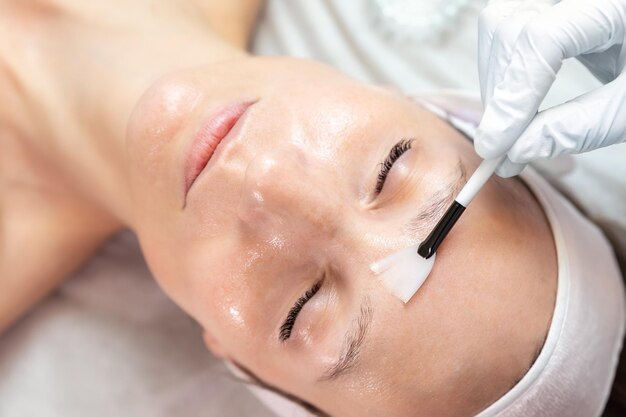
A chemical peel is a skin resurfacing method that uses acid solutions to exfoliate the skin, unclog pores, and stimulate new skin renewal.
Common acids include:
- AHA: Suitable for dull skin, rough texture, and new acne marks
- BHA: Suitable for oily skin, hidden acne, blackheads, and clogged pores
- TCA: Used in more advanced protocols and must be carefully controlled
When Should You Consider a Chemical Peel?
Hidden Acne, Blackheads, and Whiteheads
Chemical peels, especially BHA peels, can help clear clogged pores, bring hidden acne to the surface, and dry out acne cores.
Dull, Uneven Skin and Acne Marks
AHA peels such as Glycolic Acid or Lactic Acid help remove old, dull surface cells and support a brighter, more even complexion.
Rough Skin Texture
When dead skin cells accumulate, the skin may feel rough and look uneven. A controlled peel can help renew the surface and improve smoothness.
Enlarged Pores Caused by Oil and Congestion
BHA can penetrate oil and help clean pores, making the skin appear smoother and less congested.
When Should You Avoid Chemical Peels?
You should avoid or postpone peeling if you have:
- Open wounds
- Active infection
- Severe inflammatory acne
- Eczema, psoriasis, or active dermatitis
- Recent use of strong acne medication such as Isotretinoin
- Pregnancy or breastfeeding without medical guidance
- Thin, weak, irritated, or corticosteroid-damaged skin
How Acids Work in Chemical Peels
AHA for Brightening and Acne Marks
AHA is water-soluble and works mainly on the surface. It helps remove old skin cells and improve dullness and new acne marks.
BHA for Hidden Acne and Clogged Pores
BHA, especially Salicylic Acid, is oil-soluble. It penetrates pores, clears sebum, and helps reduce hidden acne and blackheads.
TCA for Advanced Skin Resurfacing
TCA is stronger and should only be used under professional control. Incorrect use may cause burns, hyperpigmentation, or scarring.
Safety Warning: Do Not Self-Peel with High-Concentration Acids
Chemical peeling creates controlled injury to the skin. If done incorrectly, it can cause:
- Skin burns
- Severe redness
- Excessive peeling
- Infection
- Post-inflammatory hyperpigmentation
- Darker pigmentation
- Scarring
For safety, chemical peels should be performed at a dermatology clinic or trusted medical aesthetic center.
Post-Peel Care
After peeling, the skin becomes more sensitive. Proper aftercare is essential.
You should:
- Use SPF 30 or higher daily
- Avoid strong sunlight
- Moisturize and repair the skin barrier
- Avoid retinoids, acids, and harsh exfoliation until the skin recovers
- Do not pick peeling skin
- Follow professional guidance
Why Choose Chemical Peel at Oceania Spa & Clinic Ba Son (Ho Chi Minh)?
At Oceania Spa & Clinic Ba Son (Ho Chi Minh), chemical peels are customized based on each client’s skin condition.
Clients receive:
- Skin assessment before peeling
- Suitable acid and concentration selection
- Controlled procedure
- Soothing and recovery care
- Detailed post-peel instructions
FAQ
Does chemical peel hurt?
You may feel mild stinging, warmth, or tingling depending on acid type and concentration.
Does skin always peel after chemical peel?
Not always. Some peels cause visible flaking, while others improve the skin with minimal peeling.
Yes, especially BHA peels, which help clear pores and support acne extraction.
Should I peel at home?
Avoid high-concentration home peels. If using low-strength exfoliating products, follow instructions carefully and consult a professional if your skin is sensitive.
Call To Action
If you are dealing with hidden acne, acne marks, dullness, rough skin, or clogged pores, a personalized chemical peel may help.
Contact Oceania Spa & Clinic Ba Son (Ho Chi Minh) today for a safe chemical peel consultation.