


Contents
- 1 Does Pico Laser Really Work for Melasma and Pigmentation?
- 2 What Is Pico Laser?
- 3 How Does Pico Laser Break Down Melanin?
- 4 Is Pico Laser Effective for Melasma?
- 5 Who May Be Suitable for Pico Laser?
- 6 When May Pico Laser Not Be the First Choice?
- 7 Is Pico Laser Painful?
- 8 What Should You Do After Pico Laser?
- 9 What Makes Oceania’s Pico Laser Approach Different?
- 10 Why Choose Oceania for Pico Laser in Vietnam?
- 11 How Many Pico Laser Sessions Are Needed?
- 12 Conclusion
- 13 FAQ – Frequently Asked Questions
Does Pico Laser Really Work for Melasma and Pigmentation?
Melasma, brown spots and other pigmentation concerns are common, particularly among people who experience frequent sun exposure.
Many patients look for laser treatments to reduce visible pigmentation, improve brown spots and achieve a more even complexion.
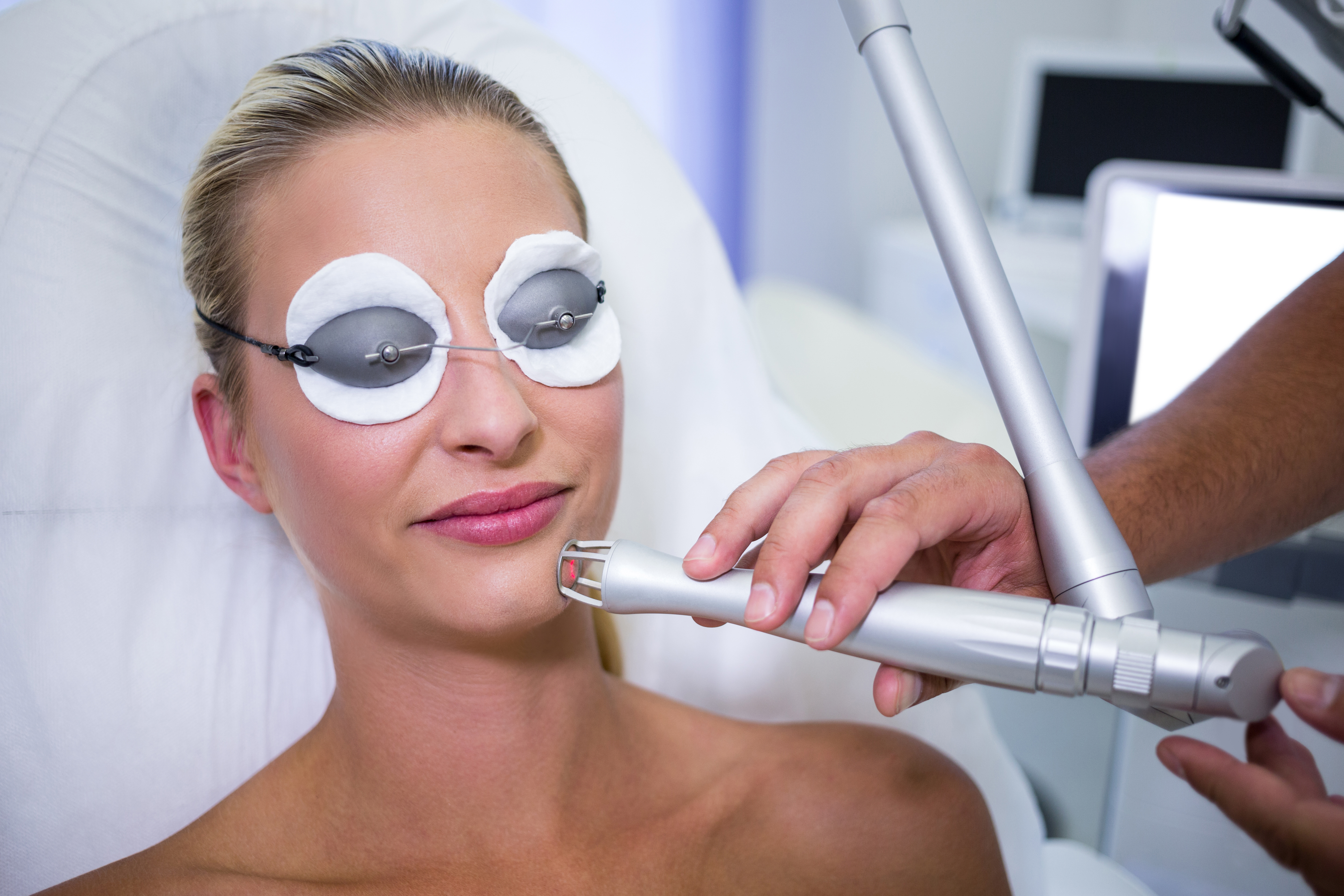
Among modern laser technologies, Pico Laser has attracted attention because it delivers extremely short laser pulses that can target pigmentation.
However, Pico Laser is not a one-size-fits-all solution for melasma.
Results depend on the type and depth of pigmentation, underlying causes, skin tone and treatment protocol.
At Oceania, a physician assesses the skin before determining whether Pico Laser is appropriate.
What Is Pico Laser?
Pico Laser is a laser technology that delivers energy in extremely short picosecond pulses.
Rather than relying primarily on prolonged thermal effects, these ultra-short pulses can create a strong photoacoustic effect on selected pigment targets.
A simplified explanation is:
Pico Laser energy → targets melanin → pigment structures are fragmented → the body gradually processes them → pigmentation may become less visible over time.
Pico Laser may be incorporated into treatment plans for:
- Hyperpigmentation.
- Brown spots.
- Selected types of melasma.
- Post-inflammatory pigmentation.
- Uneven skin tone.
- Certain benign pigmented lesions after professional assessment.
How Does Pico Laser Break Down Melanin?
Melanin is the pigment responsible for skin color and also plays a protective role against UV radiation.
When melanin is produced excessively or distributed unevenly, the skin may develop:
- Melasma.
- Brown spots.
- Darker patches.
- Post-inflammatory hyperpigmentation.
Pico Laser uses ultra-short energy pulses to interact with pigment-containing structures.
The goal is to create smaller pigment particles that the body can gradually process and clear through natural mechanisms.
However, “breaking down melanin” does not mean that all pigmentation disappears immediately after one treatment.
The body needs time to process the targeted pigment, and results vary from person to person.
Is Pico Laser Effective for Melasma?
It can be effective in appropriately selected cases, but melasma is complex and may recur.
Melasma can be influenced by:
- Hormonal changes.
- UV exposure.
- Genetics.
- Heat.
- Inflammation.
- Skin barrier disruption.
- Skincare habits.
For this reason, successful melasma management is not simply about making existing pigmentation lighter.
It also involves controlling factors that may stimulate pigmentation.
Depending on the patient, a treatment plan may combine Pico Laser with skincare, sun protection and other approaches.
Who May Be Suitable for Pico Laser?
A physician may consider Pico Laser for patients with:
Brown Spots and Localized Pigmentation
Localized pigment concerns can be assessed to determine whether laser treatment may be appropriate.
Uneven Skin Tone
Pico Laser may be included in selected protocols designed to improve uneven pigmentation.
Post-Inflammatory Hyperpigmentation
Some cases of acne marks or post-inflammatory pigmentation may be considered for laser treatment.
Selected Cases of Melasma
Depending on the type, depth and activity of melasma, Pico Laser may be incorporated into a broader treatment plan.
Not every pigmented lesion should be treated with a laser. Professional assessment is essential.
When May Pico Laser Not Be the First Choice?
If pigmentation is complex, melasma is highly active or the patient has a higher risk of post-inflammatory hyperpigmentation, the physician may recommend another approach or a combination treatment.
This is why patients should be cautious about marketing claims such as:
“Erase melasma completely in one session.”
Pigmentation treatment should be based on proper assessment and the skin’s individual response.
Is Pico Laser Painful?
The sensation varies depending on:
- Treatment area.
- Laser settings.
- Energy level.
- Individual skin sensitivity.
Some patients may experience mild warmth or a brief prickling sensation during treatment.
The physician can adjust the treatment approach according to the patient’s skin condition and comfort.
What Should You Do After Pico Laser?
Aftercare is particularly important when treating melasma and pigmentation.
1. Take Sun Protection Seriously
UV exposure can stimulate melanin production and increase the risk of pigmentation returning.
Patients should:
- Use suitable sunscreen.
- Protect the skin when outdoors.
- Minimize direct sun exposure.
2. Avoid Strong Actives Without Medical Advice
Immediately after laser treatment, the skin barrier may need time to stabilize.
Avoid restarting strong:
- Acids.
- Retinoids.
- Aggressive exfoliating products.
unless advised by your physician.
3. Keep the Skin Hydrated
A simple, gentle skincare routine can support the skin during recovery.
4. Do Not Pick or Scrub the Treated Area
If temporary skin changes occur, follow professional aftercare instructions rather than attempting to remove or treat them yourself.
What Makes Oceania’s Pico Laser Approach Different?
At Oceania, pigmentation treatment follows a personalized approach rather than applying identical laser settings to every patient.
Before treatment, the physician may assess:
- Type of pigmentation.
- Pigment depth.
- Melasma severity.
- Skin tone and type.
- History of post-inflammatory hyperpigmentation.
- Previous treatments.
- Sun exposure.
- Current skincare routine.
Based on the assessment, an individualized treatment plan can be developed.
Why Choose Oceania for Pico Laser in Vietnam?
Physician-Led Assessment
Patients receive a professional evaluation before a technology or treatment approach is selected.
Personalized Treatment Plans
Oceania does not treat Pico Laser as a universal “melasma formula.”
Treatment settings, number of sessions and treatment intervals can be adjusted according to individual skin response.
Professional Equipment and Technology
Oceania uses professionally identified equipment and places emphasis on equipment traceability. Certain technologies may meet international standards such as FDA (United States) or CE (European Union) depending on the specific device.
Medical-Standard Treatment Process
The treatment pathway is structured around:
Assessment → Pigmentation Analysis → Personalization → Treatment → Monitoring → Aftercare.
No Unrealistic “Instant Melasma Removal” Promises
Oceania focuses on natural-looking, safety-conscious and sustainable skin improvement, while recognizing that melasma can recur if triggering factors are not controlled.
English Support for International Patients
English-speaking support is available for expats and international patients living in Vietnam, making consultation, treatment and aftercare easier to navigate.
How Many Pico Laser Sessions Are Needed?
There is no fixed number for everyone.
The treatment plan may depend on:
- Pigmentation severity.
- Type of melasma.
- Pigment depth.
- Skin tone.
- Individual response.
- Treatment goals.
Some patients may notice changes after early sessions, while more complex pigmentation may require a longer treatment plan.
Treatment results should not be judged solely after one session.
Conclusion
Pico Laser can be an effective option within appropriately selected treatment plans for melasma and pigmentation, thanks to its ultra-short laser pulses and ability to target pigment.
However, the technology itself is only one part of successful pigmentation management.
Accurate assessment + appropriate laser settings + physician supervision + aftercare + consistent sun protection all play important roles.
At Oceania, physicians directly assess each patient and develop personalized treatment plans based on pigmentation type, skin characteristics and individual treatment goals.
For international patients living in Vietnam who are searching for Pico Laser for Melasma or Pigmentation Treatment Vietnam, an initial professional assessment can help determine whether Pico Laser is actually appropriate for their skin.
FAQ – Frequently Asked Questions
Can Pico Laser completely remove melasma in one session?
It is not realistic to expect complete removal after one session. Melasma has multiple contributing factors and can recur. Treatment response and the number of sessions vary between patients.
Does Pico Laser make the skin thinner?
Pico Laser is not intended to thin the skin. However, selecting appropriate settings for the patient’s skin type and pigmentation is important.
When can I return to my normal skincare routine after Pico Laser?
The timing depends on how the skin responds and the physician’s aftercare instructions. Strong active ingredients should not be restarted without appropriate guidance.
Is sunscreen necessary after Pico Laser?
Yes. Sun protection is one of the most important steps for reducing pigmentation stimulation and helping maintain treatment results.
Can foreigners receive Pico Laser treatment at Oceania?
Yes. Oceania provides English-speaking support and welcomes international patients living and working in Vietnam.