


Contents
- 1
- 2 Fast Acne Mark Removal Protocol for Students Before the New School Year
- 3 Are Red Acne Marks and Dark Acne Marks the Same?
- 4 Why Don’t Skincare Products Alone Remove Acne Marks?
- 5 Personalized Acne Mark Treatment at Oceania
- 6 Pico Laser – Targeting Acne Pigmentation
- 7 SPL Light Therapy – Supporting Clearer, Healthier Skin
- 8 Medical Chemical Peel – Improving Dark Acne Marks
- 9 Why Combine Multiple Treatment Methods?
- 10 Acne Mark Treatment at Oceania
- 11 Why Choose Oceania?
- 12 Final Thoughts
- 13 Frequently Asked Questions (FAQ)
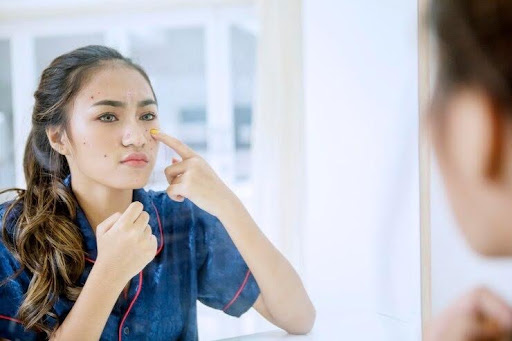
Fast Acne Mark Removal Protocol for Students Before the New School Year
As summer comes to an end, many students return to school with lingering reminders of previous acne breakouts. Although active acne may have healed, red and dark acne marks can still affect skin appearance and confidence when meeting classmates, taking school photos, or attending important events.
The good news is that acne marks can often be significantly improved when treated appropriately in their early stages, without the need for aggressive procedures.
At Oceania, every patient receives a personalized treatment plan designed by a physician. Depending on the skin condition, treatment may combine Pico Laser to target pigmentation and post-acne discoloration, SPL antibacterial light technology to help reduce acne-causing bacteria and support healthier skin, together with other medical skincare solutions selected according to each patient’s skin type and pigmentation.
Are Red Acne Marks and Dark Acne Marks the Same?
Many people refer to both conditions simply as “acne marks,” but medically they are different.
Red Acne Marks (Post-Inflammatory Erythema – PIE)
Red acne marks usually appear after inflammatory acne has healed.
They occur because tiny blood vessels beneath the skin remain dilated, leaving pink or red discoloration that may persist for weeks or months.
PIE is more common in:
- Sensitive skin
- People who pick or squeeze pimples
- Moderate to severe inflammatory acne
Dark Acne Marks (Post-Inflammatory Hyperpigmentation – PIH)
Dark acne marks develop when inflammation stimulates excess melanin production.
These spots may appear:
- Light brown
- Dark brown
- Grayish-brown
Without appropriate treatment and sun protection, PIH may remain visible for several months or even longer.
Why Don’t Skincare Products Alone Remove Acne Marks?
Many students invest in serums or brightening creams but notice only minimal improvement.
This is because:
- Red acne marks are primarily related to inflammation and blood vessels.
- Dark acne marks are caused by excess melanin pigmentation.
- Different types of acne marks require different treatment strategies.
Using the wrong approach may significantly delay visible improvement.
Personalized Acne Mark Treatment at Oceania
Following a comprehensive consultation, the physician determines the type of acne marks before developing an individualized treatment plan.
Depending on each patient’s condition, different technologies may be combined to achieve the best possible outcome.
Pico Laser – Targeting Acne Pigmentation
For suitable candidates, Pico Laser may be recommended to improve post-acne pigmentation.
Its ultra-short laser pulses precisely target pigment particles while minimizing unnecessary heat to surrounding tissues.
Potential benefits include:
- Improving dark acne marks.
- Promoting a more even skin tone.
- Supporting skin rejuvenation.
- Minimizing damage to surrounding skin.
- Helping restore a brighter complexion.
Treatment suitability is always determined after physician evaluation.
SPL Light Therapy – Supporting Clearer, Healthier Skin
SPL antibacterial light technology is used to support acne management and improve overall skin health.
For appropriate patients, SPL may help:
- Reduce acne-causing bacteria.
- Calm inflamed skin.
- Support skin recovery.
- Reduce the risk of future breakouts.
- Promote a healthier skin environment.
Medical Chemical Peel – Improving Dark Acne Marks
Medical chemical peels use carefully selected exfoliating agents to encourage controlled skin renewal.
For appropriate candidates, chemical peels may help:
- Improve post-acne pigmentation.
- Smooth skin texture.
- Brighten uneven skin tone.
- Reduce clogged pores.
- Enhance the effectiveness of medical skincare products.
The physician carefully selects the peel formulation and concentration according to each individual’s skin condition.
Why Combine Multiple Treatment Methods?
Not every acne mark develops in the same way.
Some patients mainly experience persistent redness.
Others primarily have pigmentation.
Many patients present with both conditions simultaneously.
Combining technologies such as Pico Laser, SPL Light Therapy, and Medical Chemical Peels, when clinically appropriate, allows multiple underlying causes to be addressed within one personalized treatment strategy.
Acne Mark Treatment at Oceania
At Oceania, every treatment begins with a physician consultation.
Your skin assessment includes:
- Type of acne marks
- Pigmentation severity
- Current acne activity
- Skin sensitivity
- Fitzpatrick skin type
- Previous treatments
- Daily skincare habits
- Lifestyle factors
Based on these findings, the physician develops a fully personalized treatment plan instead of using the same protocol for every patient.
For students and young adults, Oceania prioritizes treatment plans that minimize downtime while remaining practical and cost-conscious.
Why Choose Oceania?
Physician-Led Consultation
Every patient is personally examined by a physician before any treatment begins.
Recommendations are based on medical evaluation rather than a standardized protocol.
Personalized Treatment Plans
No two patients receive identical treatment.
Your physician determines:
- Appropriate technology
- Laser parameters
- Chemical peel type
- Treatment intervals
- Home skincare recommendations
based entirely on your skin condition.
Authentic Medical Technologies
Oceania utilizes genuine medical devices and professional skincare systems.
Many treatment technologies comply with internationally recognized standards such as:
- FDA Clearance (United States)
- CE Certification (European Union)
These standards contribute to treatment quality and patient safety.
Medical-Standard Clinical Protocols
Every treatment follows structured medical protocols, including:
✔ Physician consultation
✔ Individualized treatment planning
✔ Skin monitoring after each session
✔ Detailed post-treatment skincare guidance
✔ Personalized sun protection recommendations
Affordable Options for Students
Oceania offers flexible treatment options designed to accommodate different budgets while maintaining physician-led medical standards, making professional acne mark treatment more accessible to students and young adults.
International Patient-Friendly Clinic
Oceania regularly welcomes:
- Expats living in Vietnam
- International students
- Foreign professionals
- Overseas visitors
Our bilingual English-Vietnamese team provides support throughout consultation, treatment, and aftercare, ensuring a comfortable experience for international patients.
Final Thoughts
Red and dark acne marks should not be treated as the same condition. Identifying the underlying cause allows physicians to recommend the most appropriate treatment strategy while reducing the risk of prolonged pigmentation.
At Oceania, every patient receives a personalized physician-led treatment plan. By combining advanced technologies such as Pico Laser, SPL antibacterial light therapy, medical chemical peels, and evidence-based skincare protocols, Oceania helps patients achieve clearer, healthier-looking skin and greater confidence before the new school year.
Frequently Asked Questions (FAQ)
Are red acne marks and dark acne marks treated the same way?
No. Red acne marks are primarily associated with inflammation and blood vessels, while dark acne marks result from excess melanin pigmentation. Your physician will recommend the most suitable treatment based on your diagnosis.
Do chemical peels make the skin thinner?
When performed by qualified medical professionals using appropriate products and concentrations, medical chemical peels are designed to support controlled skin renewal rather than permanently thin the skin.
How soon can I expect to see improvement?
Treatment response varies depending on the type of acne marks, skin condition, and individual healing process. Your physician will discuss realistic expectations during consultation.
Can teenagers receive acne mark treatment?
Yes. After a medical assessment, physicians can recommend age-appropriate treatment options based on each patient’s skin condition and individual needs.
Can international patients receive treatment at Oceania?
Absolutely. Oceania regularly serves expatriates and international patients with bilingual English-speaking support, physician-led consultations, and personalized treatment plans tailored to each individual’s skin concerns.