


Back acne and post-acne dark spots are common concerns, especially when summer arrives and you want to feel confident wearing a bikini, open-back dress, or sleeveless outfit.
The back is a difficult area to observe and cleanse thoroughly. It is also prone to clogged pores due to sweat, excess oil, sunscreen, hair conditioner, and tight clothing. Using regular body wash alone may not be enough, especially when acne keeps returning or dark spots take a long time to fade.
To improve the condition effectively, you need a combination of proper cleansing, exfoliating ingredients such as AHA/BHA, skin recovery care, and advanced aesthetic technologies such as SPL/IPL light therapy or chemical peels.

Contents
- 1 What Causes Back Acne And Dark Spots?
- 2 When Should You Consider Advanced Back Acne Treatment?
- 3 Method 1: Treating Back Acne With SPL/IPL Light Therapy
- 4 Method 2: Chemical Peel For Back Acne And Dark Spots
- 5 SPL/IPL Vs Chemical Peel: What Is The Difference?
- 6 Daily Back Care Routine To Prevent Acne From Returning
- 7 Who Is Suitable For Back Acne And Dark Spot Treatment?
- 8 Suggested Timeline Before Bikini Season
- 9 FAQ
- 10 CTA: Feel More Confident With Smoother, Brighter Back Skin
What Causes Back Acne And Dark Spots?
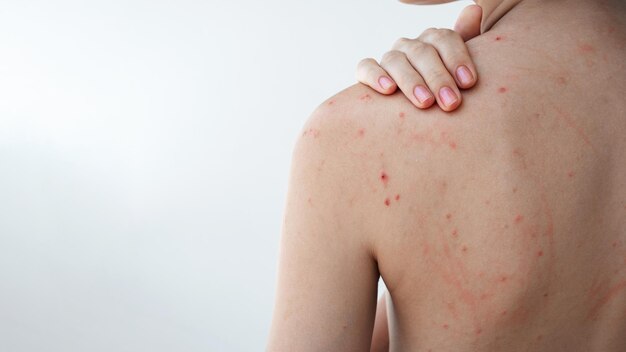
Back acne usually appears when hair follicles become clogged with excess oil, dead skin cells, sweat, and bacteria. Unlike facial skin, the back has a larger surface area, more sebaceous glands, and is frequently covered by clothing, making it more likely to become congested.
Common causes include:
- Washing hair and using conditioner after body cleansing.
- Wearing tight or non-breathable clothing.
- Not showering after exercise or heavy sweating.
- Using body care products that are too thick or pore-clogging.
- Picking or squeezing acne incorrectly.
- Hormonal changes, stress, or naturally oily skin.
After inflamed acne heals, it can leave brown, red, or dark marks. This is often known as post-inflammatory hyperpigmentation, which may take weeks or months to fade depending on skin type and care routine.
When Should You Consider Advanced Back Acne Treatment?
You may consider professional treatment if you experience:
- Persistent back acne that keeps coming back.
- Inflamed acne, pustules, clogged pores, or blackheads.
- Long-lasting dark spots on the back.
- Upcoming beach trips, events, photoshoots, or weddings.
- Slow improvement despite using at-home products.
- Difficulty safely extracting acne on the back by yourself.
If you have severe inflamed acne, painful cystic acne, or signs of infection, it is best to consult a dermatologist before undergoing peels or light-based treatments.
Method 1: Treating Back Acne With SPL/IPL Light Therapy
SPL/IPL uses intense pulsed light with selected wavelengths to target the treated skin area. In aesthetic dermatology, IPL is commonly used to improve redness, pigmentation, uneven tone, and certain acne-related concerns.
For back acne treatment, SPL/IPL may help:
- Reduce visible redness.
- Support oil control.
- Calm irritated acne-prone skin.
- Improve post-acne discoloration.
- Promote a brighter, more even-looking back over a course of sessions.
Step-By-Step SPL/IPL Back Acne Treatment Process
Step 1: Deep Cleansing
The back is cleansed with a gentle medical-grade cleanser. A mild exfoliation step may be added to help remove excess oil, sweat, dirt, and dead skin cells from the surface.
Step 2: Medical-Standard Acne Extraction
Mature acne lesions or clogged pores that are safe to extract may be removed using sterile tools.
Inflamed, deep, or unready lesions should not be forced out, as this can worsen inflammation and increase the risk of dark spots or scarring.
Step 3: SPL/IPL Light Application
A cooling gel is applied to the back to protect the skin and improve light transmission. The specialist then uses an SPL/IPL device with suitable settings for the skin condition.
During the session, you may feel warmth or mild tingling. Temporary redness can occur depending on skin sensitivity.
Step 4: Recovery Serum Infusion
After light therapy, soothing and hydrating ingredients may be applied. These may include hyaluronic acid, vitamin C, calming serums, or barrier-repair ingredients.
This step helps calm the skin, reduce dryness, and support post-treatment recovery.
Method 2: Chemical Peel For Back Acne And Dark Spots
A chemical peel uses selected acids at appropriate concentrations to remove old surface cells, clear clogged pores, and encourage skin renewal.
Common peeling acids for acne and pigmentation include:
- Salicylic Acid/BHA: suitable for oily, congested, acne-prone skin.
- Glycolic Acid/AHA: helps improve rough texture, dullness, and post-acne marks.
- Lactic Acid: gentler and often used for mild brightening and hydration.
- Mandelic Acid: may be suitable for more sensitive skin types.
Safe Back Peel Procedure
Step 1: Skin Assessment
Not every skin condition is suitable for immediate peeling. Skin with severe active inflammation, open wounds, scratches, or irritation should be stabilized first.
The specialist or doctor will assess:
- Acne severity.
- Pigmentation level.
- Skin sensitivity.
- History of irritation or allergy.
- Current home skincare products.
Step 2: Cleansing And Disinfection
The back is thoroughly cleansed to remove oil, sweat, and impurities. This allows the peel solution to work more evenly.
Step 3: Peel Application
The acid solution is applied evenly to the targeted area. You may feel mild tingling, warmth, or stinging for several minutes.
This sensation should be monitored carefully. If discomfort becomes too intense or the skin reacts abnormally, the peel must be neutralized immediately.
Step 4: Neutralizing And Soothing
After the correct exposure time, the peel is neutralized or removed depending on the type used. A soothing mask, recovery serum, or calming moisturizer is then applied.
Step 5: Post-Peel Care For 7–14 Days
After a peel, the skin may feel dry, slightly darker temporarily, or begin to flake. This recovery period is essential for achieving good results.
You should:
- Avoid picking, scratching, or peeling off flaking skin.
- Protect the back from sunlight.
- Avoid hot showers.
- Avoid physical scrubs.
- Avoid acids or retinoids unless instructed.
- Moisturize regularly to support recovery.
SPL/IPL Vs Chemical Peel: What Is The Difference?
| Criteria | SPL/IPL | Chemical Peel |
| Main mechanism | Light energy | Acid-based exfoliation |
| Best for | Mild inflammation, redness, superficial dark marks | Congestion, clogged pores, thickened skin, post-acne marks |
| Sensation | Warmth, mild tingling | Tingling, mild stinging or heat |
| Downtime | Usually lighter | Possible peeling for 3–7 days |
| Main benefit | Supports calming and tone improvement | Helps renew skin surface and clear congestion |
| Key caution | Settings must suit the skin tone | Aftercare is very important |
In many cases, a back acne treatment plan may combine both approaches at different stages. For example, inflammation may be controlled first, followed by gentle peels to improve discoloration and texture.
Daily Back Care Routine To Prevent Acne From Returning
1. Wash Hair First, Then Cleanse The Body
This is one of the most important habits. Shampoo, conditioner, and hair masks can leave residue on the back and clog pores.
Always wash and rinse your hair first, then cleanse your back and body afterward.
2. Use A Body Wash For Acne-Prone Skin
Look for ingredients such as:
- Salicylic Acid/BHA.
- Benzoyl Peroxide.
- Tea tree.
- Niacinamide.
- Low-strength AHA.
3. Avoid Tight Clothing
Tight clothing traps sweat and increases friction, which can worsen irritation. Choose breathable fabrics, especially during workouts or hot weather.
Shower and change clothes as soon as possible after sweating.
4. Do Not Pick Back Acne
Back acne is difficult to see clearly, and picking can damage the skin, worsen inflammation, and lead to dark spots or scarring.
Inflamed or pustular acne should be handled with a proper sterile process.
5. Moisturize Correctly
Many people with back acne skip moisturizer because they fear clogged pores. However, dry or irritated skin may become more reactive, especially after acids or peels.
Choose lightweight, non-comedogenic body moisturizers with ingredients such as hyaluronic acid, panthenol, ceramides, or niacinamide.
Who Is Suitable For Back Acne And Dark Spot Treatment?
This treatment is suitable for people who:
- Have recurring back acne.
- Have post-acne dark spots.
- Are preparing for beach trips, weddings, photoshoots, or special events.
- Often wear open-back dresses, bikinis, or sleeveless outfits.
- Have tried home care but see limited improvement.
- Want smoother, brighter, and more even-looking back skin.
If you are pregnant, taking prescription medication, have a skin condition, or your skin is extremely sensitive, inform your provider before treatment.
Suggested Timeline Before Bikini Season
4–6 Weeks Before
This is an ideal time to start. The skin has enough time to calm down, recover after peeling, and gradually fade dark marks.
A treatment plan may include:
- Deep cleansing.
- Medical-standard acne extraction.
- SPL/IPL to support calming.
- Gentle chemical peels.
- Brightening and barrier-repair care.
2–3 Weeks Before
Focus on soothing, hydration, and stabilizing the skin. Avoid trying too many new products during this time.
3–5 Days Before
Avoid strong peels, aggressive extraction, or harsh exfoliation. Prioritize hydration, soothing care, and protection.
FAQ
How long does it take to treat back acne?
It depends on acne severity and pigmentation depth. Mild cases may improve within a few weeks with proper care, while recurring acne or long-term pigmentation usually requires a treatment course.
Does a back peel hurt?
A chemical peel may cause mild tingling, warmth, or slight stinging. When performed with the right concentration and proper protocol, the sensation is usually manageable.
Can IPL/SPL completely remove back dark spots?
IPL/SPL may help improve superficial pigmentation, but complete clearance after one session should not be expected. Results depend on skin type, pigmentation depth, acne activity, and aftercare.
Should I do a back chemical peel at home?
High-strength peels should not be done at home without professional guidance. Incorrect use can cause burns, irritation, or worsen pigmentation.
How can I prevent back acne from returning?
Maintain proper cleansing habits, wash hair before body cleansing, wear breathable clothing, shower after sweating, use suitable acne body wash, avoid picking acne, and moisturize regularly.
CTA: Feel More Confident With Smoother, Brighter Back Skin
Back acne and dark spots are not only a skin concern. They can directly affect your confidence when wearing bikinis, open-back dresses, or summer outfits.
If you are unsure whether your skin needs SPL/IPL, chemical peels, acne extraction, or a home-care plan, start with a professional skin consultation.
Book your consultation
Book your consultation at Oceania Spa & Clinic Ba Son today and experience safe, advanced skin lifting technology for firmer, younger-looking skin.
We are located at the heart of Saigon ward, Ho Chi Minh City.