


Contents
Introduction
PRP is widely used in dermatology and aesthetic medicine because it uses platelet-rich plasma from the client’s own blood to support skin repair, regeneration, and rejuvenation. However, PRP safety and effectiveness depend heavily on the extraction process.
A proper medical-grade PRP extraction process must be closed, sterile, and performed with single-use specialized kits, medical centrifuge settings, and professional supervision. Any mistake in blood collection, centrifugation, PRP harvesting, or sterile handling may reduce PRP quality and increase infection risk.
What Is PRP?
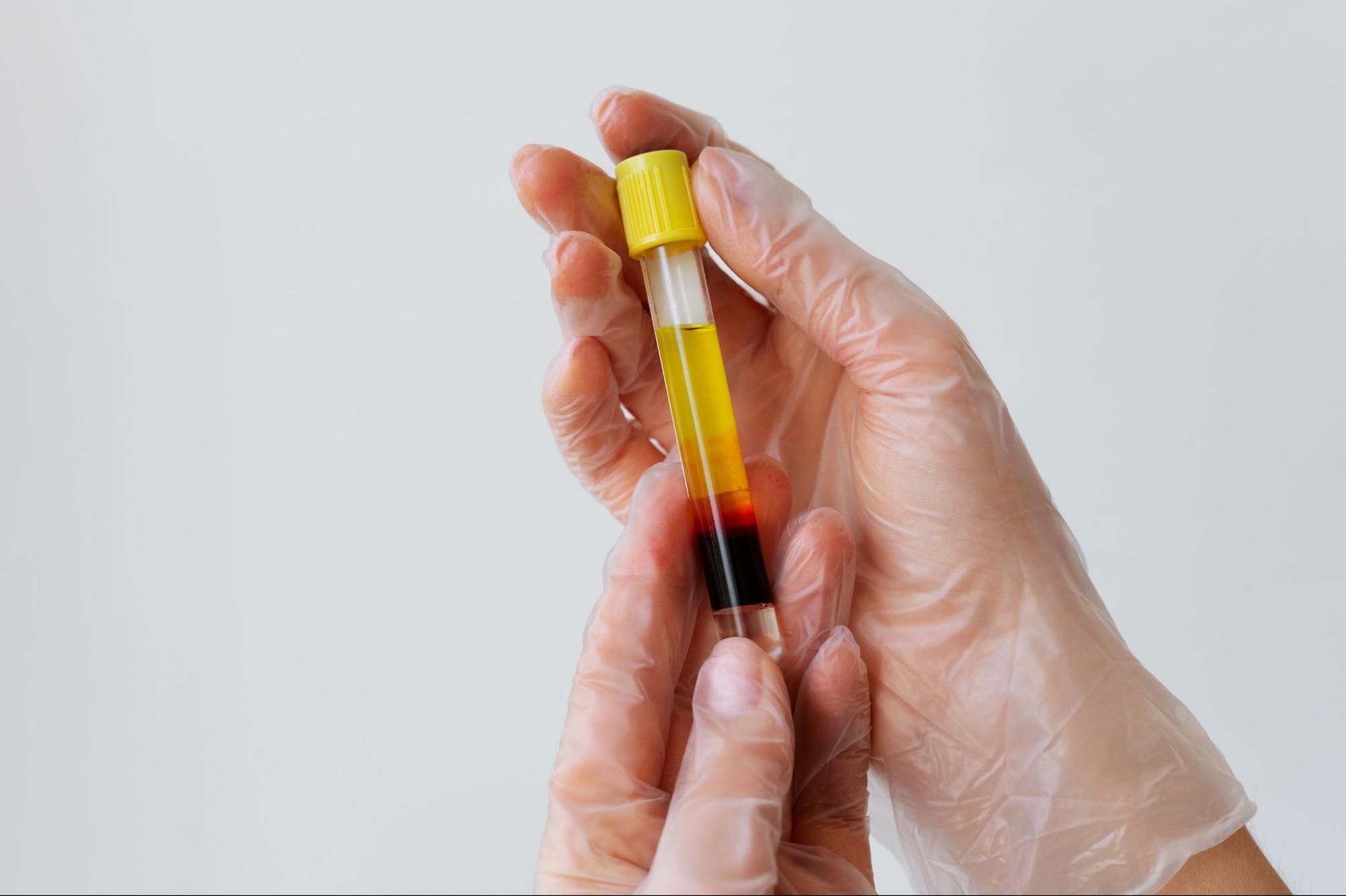
PRP stands for Platelet-Rich Plasma. It is the plasma fraction extracted from autologous blood and contains a higher concentration of platelets and growth factors.
In aesthetic dermatology, PRP may support:
- Skin rejuvenation
- Skin repair
- Scar improvement protocols
- Recovery after laser, microneedling, or other procedures
- Overall skin quality improvement
Why Must PRP Be Extracted in a Closed Medical System?
PRP involves blood collection, processing, and reapplication to the same client. Therefore, the process must be strictly controlled to:
- Prevent contamination
- Preserve platelet quality
- Avoid cross-contamination
- Prevent sample confusion
- Ensure single-use sterile materials
- Maintain treatment safety
Medical-Grade PRP Extraction Process
Step 1: Dermatologist Consultation and Indication
Before PRP, a dermatologist evaluates the skin condition, treatment goals, medical history, infection status, blood-related conditions, and contraindications.
Clients with blood disorders, clotting problems, active infections, or unsuitable health conditions may need to postpone or avoid PRP.
Step 2: Autologous Blood Collection
A small amount of blood, usually around 15 – 30ml, is collected under sterile conditions.
The procedure requires:
- Proper skin disinfection
- Sterile blood collection needles
- Vacuum blood collection tubes
- Suitable anticoagulant tubes
- Single-use materials
- Proper sample handling
Blood from one client must only be used for that same client.
Step 3: Centrifugation with Specialized PRP Kit
The collected blood is placed into a centrifuge with a specialized PRP kit. The centrifuge separates blood into:
- Red blood cells
- Platelet-poor plasma
- Platelet-rich plasma
The centrifuge force and time must be set correctly to obtain high-quality PRP without damaging platelets.
Step 4: PRP Harvesting and Activation
In a sterile environment, the PRP layer is collected. Some advanced kits may support platelet activation, helping release growth factors for enhanced tissue repair support.
Step 5: PRP Application Procedure
The treatment area is cleansed, numbed if needed, and disinfected. PRP may then be applied through:
- Microinjection
- Microneedling
- Combined skin recovery protocols
This step should be performed by a qualified medical professional who understands skin anatomy and injection depth.
3 Key Safety Criteria for PRP
1. Specialized Single-Use PRP Kit
A proper PRP kit should include sterile tubes, needles, filters, and collection tools. All materials must be single-use and traceable.
2. Sterile Medical Environment
PRP should be performed in a controlled clinical environment with infection-control standards.
3. Dermatologist-Led Procedure
A dermatologist understands skin structure, injection depth, possible reactions, and post-procedure care.
Benefits of Proper Medical PRP
When performed correctly, PRP may help:
- Support skin recovery
- Improve elasticity
- Enhance skin quality
- Support scar improvement protocols
- Reduce risk of incompatibility because it uses autologous blood
Why Choose PRP at Oceania Spa & Clinic Ba Son (Ho Chi Minh)?
At Oceania Spa & Clinic Ba Son (Ho Chi Minh), PRP is performed under a controlled process with:
- Dermatologist consultation
- Sterile, closed PRP extraction
- Single-use PRP kits
- Personalized protocols
- Clear aftercare guidance
FAQ
Is PRP made from my own blood?
Yes. PRP is extracted from your own blood and used only for you.
How much blood is taken?
Usually around 15 – 30ml, depending on the treatment protocol.
Is PRP safe?
PRP can be safe when performed under strict medical standards using sterile kits, proper centrifugation, and dermatologist-led procedures.
Who should avoid PRP?
People with blood disorders, clotting issues, active infection, or unsuitable health conditions should be carefully assessed by a doctor.
Call To Action
PRP is only truly effective and safe when performed according to medical standards.
Contact Oceania Spa & Clinic Ba Son (Ho Chi Minh) today for a dermatologist-led PRP consultation and personalized treatment plan.