


Contents
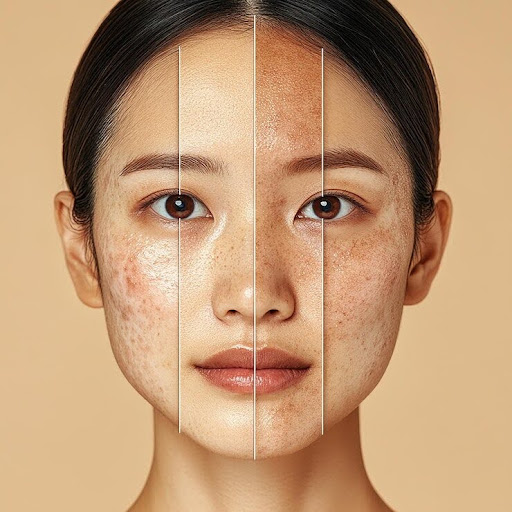
Not Every Brown Spot Is Melasma
Many people assume that every brown patch or dark spot on the face is melasma. As a result, they often purchase whitening creams or undergo treatments without knowing the true cause of their pigmentation.
In reality, several pigmentation disorders—including melasma, Hori nevus, and Ota nevus—can appear similar but differ significantly in their origin, depth, and recommended treatment approach.
A misdiagnosis may lead to ineffective treatment, prolonged recovery, unnecessary expenses, or even post-inflammatory hyperpigmentation.
That is why an accurate diagnosis by an experienced physician is the most important first step before beginning any pigmentation treatment.
What Is Melasma?
Melasma is an acquired pigmentation disorder that develops due to multiple contributing factors, including:
- Hormonal changes.
- Chronic sun exposure.
- Genetic predisposition.
- Skin aging.
- Pregnancy or postpartum hormonal changes.
- Hormonal medications.
- Chronic stress.
Melasma typically appears:
- On both cheeks.
- Forehead.
- Nose.
- Chin.
- In a symmetrical pattern.
Common characteristics include:
- Light to dark brown patches.
- Irregular borders.
- Darkening after prolonged UV exposure.
Because melasma is strongly influenced by hormones and UV radiation, treatment usually requires a combination of medical procedures and long-term skin maintenance.
What Is Hori Nevus?
Hori nevus (Acquired Bilateral Nevus of Ota-like Macules) is a benign dermal pigmentation disorder commonly seen in Asian adults.
Typical characteristics include:
- Multiple small gray-brown or blue-gray spots.
- Usually affects both cheeks.
- Pigment is located deeper within the dermis.
- Often develops during adulthood.
Unlike melasma, Hori nevus is not hormone-related, and topical skincare products alone generally provide limited improvement.
Because the pigment lies deeper in the skin, treatment strategies differ significantly from those used for melasma.
What Is Ota Nevus?
Ota nevus is a congenital or early-onset dermal pigmentation disorder.
Typical features include:
- Usually appears on one side of the face.
- Blue-gray or slate-colored pigmentation.
- May involve the eyelids or areas around the eye.
- Pigment extends deep into the dermis.
Since Ota nevus is fundamentally different from melasma, it often requires a specialized laser treatment protocol over multiple treatment sessions.
Why Are They Commonly Confused?
Although these conditions all appear as facial pigmentation, their underlying causes are completely different.
| Melasma | Hori Nevus | Ota Nevus |
| Hormone-related | No | No |
| Usually symmetrical | Symmetrical | Usually one-sided |
| Brown patches | Gray-brown spots | Blue-gray patches |
| Changes with hormones | Rarely | Rarely |
| Requires different treatment | Yes | Yes |
Because their appearance can overlap, visual examination alone may not always provide an accurate diagnosis.
Why Proper Diagnosis Matters Before Treatment
A common mistake is assuming that every pigmentation disorder can be treated using the same laser or skincare products.
In reality, physicians must carefully evaluate:
- Pigment type.
- Pigment depth.
- Skin type.
- Previous treatments.
- Medical history.
- Sun exposure habits.
- Hormonal influences.
- Overall skin condition.
Only after identifying the exact cause can an appropriate treatment plan be developed.
Personalized Pigmentation Treatment at Oceania
At Oceania, every patient receives a complimentary physician consultation before treatment begins.
During the consultation, physicians assess whether the pigmentation is:
- Melasma.
- Hori nevus.
- Ota nevus.
- Post-inflammatory hyperpigmentation.
- Or another pigmentation disorder.
Following a comprehensive evaluation, a personalized treatment plan is created based on the patient’s individual condition instead of applying the same protocol to everyone.
Depending on the diagnosis, treatment may include:
- Pico Laser.
- Mesotherapy.
- Medical-grade skin recovery protocols.
- Physician-directed topical therapy.
- Personalized home skincare recommendations.
- Long-term sun protection strategies.
This individualized approach aims to maximize treatment outcomes while minimizing unnecessary procedures.
Why Choose Oceania?
Physician-Led Diagnosis
Every patient is evaluated by an experienced physician before any treatment recommendation is made.
Complimentary Consultation
Oceania offers a free initial consultation, allowing patients to understand their skin condition and available treatment options before making any decisions.
Personalized Treatment Plans
No single treatment is suitable for every pigmentation disorder.
Your physician develops a customized plan based on:
- Pigmentation type.
- Depth of pigment.
- Skin sensitivity.
- Previous treatment history.
- Lifestyle factors.
- Individual aesthetic goals.
Authentic Medical Technologies
Oceania utilizes genuine medical equipment and technologies, with many devices meeting internationally recognized standards such as:
- FDA Clearance (United States).
- CE Marking (European Union).
Medical-Standard Safety Protocols
Every treatment follows strict medical protocols, including:
- Comprehensive skin assessment.
- Physician-supervised procedures.
- Continuous progress monitoring.
- Treatment adjustments when necessary.
- Personalized recovery guidance and sun protection education.
International Patient-Friendly Clinic
Oceania regularly welcomes:
- Expatriates living in Vietnam.
- International professionals.
- Overseas visitors.
- Medical tourists.
Our bilingual English-Vietnamese team ensures clear communication throughout every stage of treatment, from consultation to follow-up care.
Final Thoughts
Melasma, Hori nevus, and Ota nevus may appear similar, but they are entirely different pigmentation disorders requiring different treatment strategies.
The key to successful pigmentation management is accurate diagnosis, not simply choosing the latest laser technology.
At Oceania, patients receive a complimentary physician consultation, detailed pigmentation assessment, and a fully personalized treatment plan designed to deliver safer, more effective, and longer-lasting results.
Frequently Asked Questions (FAQ)
Is Hori nevus the same as melasma?
No. Hori nevus is a benign dermal pigmentation disorder, whereas melasma is primarily influenced by hormones and sun exposure. They require different treatment approaches.
Can Pico Laser treat Ota nevus?
For appropriate candidates, physicians may recommend Pico Laser as part of an individualized treatment plan for Ota nevus. The number of sessions depends on pigment depth, skin characteristics, and clinical assessment.
How can I tell whether I have melasma or Hori nevus?
It can be difficult to distinguish between these conditions based on appearance alone. A physician consultation is recommended to establish an accurate diagnosis and appropriate treatment plan.
Does Oceania provide consultations before treatment?
Yes. Oceania offers complimentary physician consultations, allowing patients to receive a professional skin assessment and a personalized treatment recommendation before beginning any procedure.
Can expatriates receive pigmentation treatment at Oceania?
Absolutely. Oceania frequently treats expatriates and international patients living in or visiting Vietnam. We provide English-speaking patient support, physician-led consultations, personalized treatment plans, and internationally oriented medical aesthetic care.