


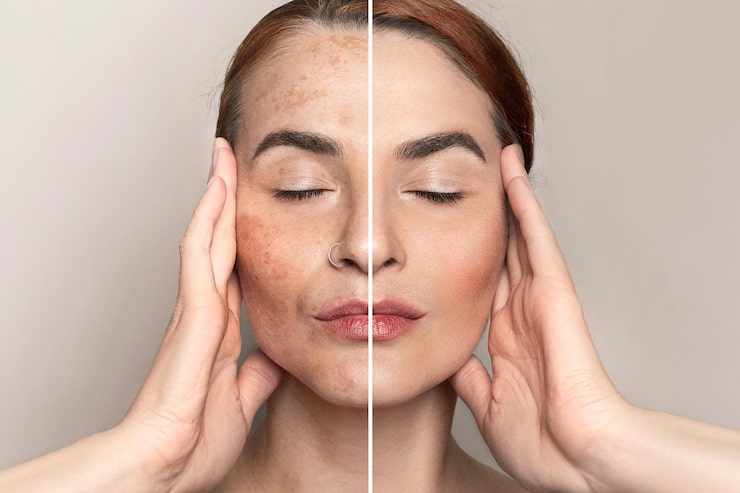
Melasma is one of the most challenging pigmentation conditions. It can affect confidence, especially in women after pregnancy, women over 30, or those frequently exposed to sunlight. However, melasma cannot be treated with a one-size-fits-all method.
Some clients have superficial melasma, some have deep dermal melasma, while others have mixed melasma combined with thin, sensitive, or corticosteroid-damaged skin. That is why a personalized melasma treatment protocol is essential for better results, shorter treatment time, and lower recurrence risk.
At Oceania, each client receives skin analysis and a customized protocol based on melasma severity, cause, age, skin type, lifestyle, and home care ability.
Contents
- 1 What Is a Personalized Melasma Treatment Protocol?
- 2 Why Does Every Client Need a Different Melasma Treatment Plan?
- 3 Benefits of Personalized Melasma Treatment at Oceania
- 4 Oceania’s Strengths in Melasma Treatment
- 5 Personalized Melasma Treatment Process
- 6 Who Is This Suitable For?
- 7 FAQ
- 8 Call To Action
What Is a Personalized Melasma Treatment Protocol?
A personalized melasma protocol is a treatment plan designed specifically for each client instead of applying the same method to everyone.
A successful melasma protocol should address:
- Basement membrane damage
- Melanin overproduction
- Weak or sensitive skin
- Hormonal factors
- Sun exposure
- Home skincare routine
- Recurrence risk
At Oceania, melasma treatment focuses not only on fading pigmentation but also on restoring skin health and controlling the factors that trigger pigmentation.
Why Does Every Client Need a Different Melasma Treatment Plan?
Different Root Causes
Melasma may be caused by genetics, sunlight, hormonal imbalance, aging, stress, unsuitable cosmetics, or damaged skin caused by mixed creams.
Identifying the correct root cause is essential before choosing laser, peeling, mesotherapy, or topical brightening ingredients.
Different Skin Types Respond Differently
Oily, dry, sensitive, thin, or healthy skin reacts differently to treatments. Using a strong protocol on weak skin may trigger irritation or post-inflammatory hyperpigmentation.
Different Types of Melasma Need Different Solutions
Common melasma types include:
- Epidermal melasma: Usually appears as brown patches on the surface
- Dermal melasma: Deeper pigmentation, often gray-brown or blue-brown
- Mixed melasma: A combination of superficial and deep pigmentation
- Melasma with damaged skin: Pigmentation combined with redness, thin skin, or sensitivity
Each type requires a different combination of technology, actives, and recovery care.
Lifestyle Affects Treatment Results
People who work outdoors, sleep late, experience stress, or cannot maintain sun protection need a more practical and adaptive protocol.
Benefits of Personalized Melasma Treatment at Oceania
- Treats the correct root cause
- Optimizes treatment for each melasma type
- Reduces irritation risk
- Shortens trial-and-error time
- Restores healthier skin foundation
- Helps prevent recurrence
Oceania’s Strengths in Melasma Treatment
Scientific Approach Focused on Basement Membrane Repair
Oceania does not focus only on breaking down surface pigmentation. The protocol also supports the repair of the basement membrane, an important structure that helps stabilize pigmentation and reduce recurrence risk.
Multi-Layer Technology Application
Depending on the condition, Oceania may combine:
- Micro-peeling or resurfacing for superficial pigmentation
- Pico laser or Nd laser for deeper pigmentation
- Mesotherapy and brightening serums for recovery and melanin control
- Barrier repair for weak or sensitive skin
Expert-Led Treatment Planning
Oceania evaluates the skin before adjusting:
- Laser wavelength
- Energy level
- Treatment frequency
- Active ingredient concentration
- Homecare products
- Recovery schedule
Personalized Melasma Treatment Process
- Deep skin consultation and analysis
- Identifying melasma type and root cause
- Designing a personalized treatment protocol
- Combining pigmentation treatment with skin recovery
- Monitoring progress and preventing recurrence
Who Is This Suitable For?
This protocol is suitable for:
- Clients with melasma patches, deep melasma, or mixed melasma
- Women with postpartum pigmentation
- Women over 30 with uneven skin tone
- Clients with long-term or recurrent melasma
- Clients with sensitive or thin skin
- Clients who have tried melasma treatments without success
FAQ
How is personalized treatment different from standard melasma treatment?
It is based on your skin type, melasma type, root cause, age, lifestyle, and skin tolerance instead of using one method for everyone.
Can deep melasma be treated?
Deep melasma is more difficult and requires time, but a suitable combination of laser, mesotherapy, brightening actives, and recovery care may help improve it.
Can melasma come back?
Yes. Melasma can recur if sun protection, hormonal control, and skincare maintenance are not managed properly.
Call To Action
Melasma is not just a surface pigmentation issue. It is linked to skin biology, hormones, sun exposure, and barrier health.
Contact Oceania today for a personalized melasma consultation and treatment plan designed for your skin.