


In modern aesthetics, clients are no longer looking only for temporary “glow” or short-term skin plumping. They increasingly seek solutions that help the skin become healthier, recover better, and improve visible signs of aging through natural biological mechanisms. This is why regenerative therapies such as PRP — Platelet-Rich Plasma are gaining attention in skin rejuvenation, acne scar improvement, fine line softening, and skin barrier recovery.
PRP is an autologous preparation extracted from the client’s own blood. It contains a higher-than-normal concentration of platelets and growth factors. In aesthetic dermatology, PRP has been studied for multiple applications, including skin rejuvenation, wound healing support, scar improvement, and tissue repair. However, results may vary depending on PRP preparation method, treatment indication, and individual response.
When discussing PRP combined with autologous stem cell mechanisms, it should be understood in a safe and accurate way: this therapy uses the body’s own regenerative potential, through growth factors in PRP, to support tissue repair, stimulate collagen and elastin production, and improve overall skin quality.
At Oceania Spa & Clinic Ba Son (Ho Chi Minh), PRP treatment follows a medical-standard approach: consultation before treatment, skin assessment, personalized protocol selection, sterile procedures, and post-treatment recovery monitoring.
Contents
- 1 What Is PRP And Why Is It Used In Skin Rejuvenation?
- 2 How Does PRP Combined With Autologous Stem Cell Mechanisms Work?
- 3 Key Benefits of PRP in Aesthetic Regenerative Medicine
- 4 Advantages of Swiss PRP Technology at Oceania Spa & Clinic Ba Son (Ho Chi Minh)
- 5 Who Is Suitable for PRP Regenerative Therapy?
- 6 PRP Regenerative Treatment Process at Oceania Spa & Clinic Ba Son (Ho Chi Minh)
- 7 Why Choose Oceania Spa & Clinic Ba Son (Ho Chi Minh)?
- 8 Important Notes Before Having PRP Treatment
- 9 SEO FAQ About PRP Combined With Autologous Stem Cell Mechanisms
- 10 CTA: PRP Regenerative Skin Consultation at Oceania Spa & Clinic Ba Son (Ho Chi Minh)
What Is PRP And Why Is It Used In Skin Rejuvenation?
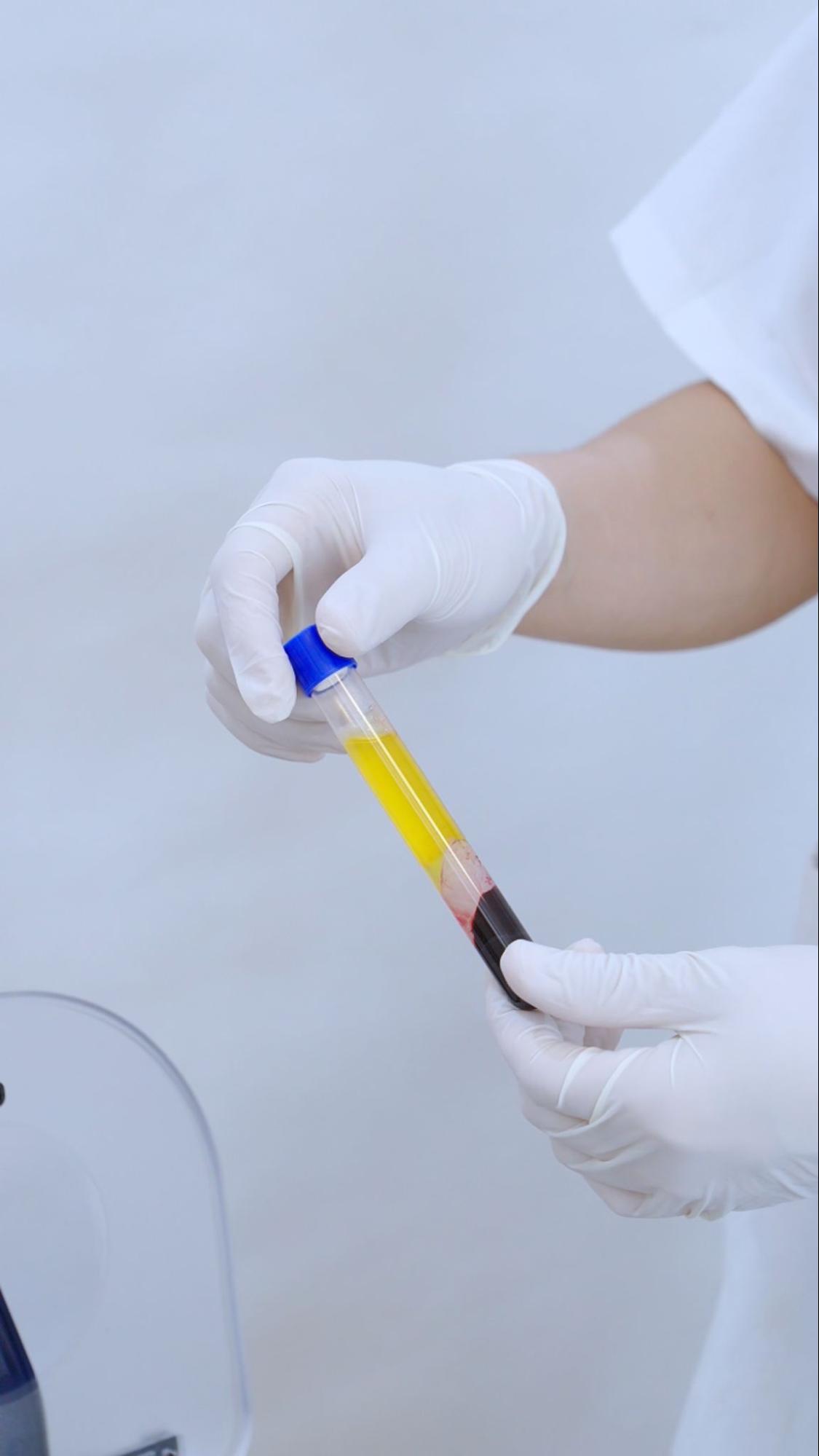
PRP stands for Platelet-Rich Plasma. The basic process usually involves drawing a small amount of the client’s blood, then processing it in a specialized centrifuge system to separate the platelet-rich plasma.
When activated, platelets can release many important growth factors, including:
- PDGF: supports tissue repair and cell proliferation.
- TGF-β: involved in collagen formation and tissue remodeling.
- EGF: supports epidermal regeneration and surface skin recovery.
- VEGF: related to new blood vessel formation and tissue nourishment.
These platelet-derived factors can stimulate fibroblasts, support collagen and elastin synthesis, and help restructure the extracellular matrix. This biological foundation explains why PRP is used in dermatology for skin rejuvenation, tissue repair, acne scars, and wound healing support.
In simple terms, PRP does not “replace the skin instantly.” Instead, it helps activate the body’s natural repair process so the skin can gradually improve in elasticity, thickness, hydration, and overall texture.
How Does PRP Combined With Autologous Stem Cell Mechanisms Work?
1. Providing a Matrix of Growth Factors
Once introduced into the target treatment area, PRP acts as a biological signal rich in growth factors. These signals help promote a controlled healing response, support more active skin cell function, and improve tissue regeneration.
This is why PRP is commonly used for conditions such as:
- Aging skin with reduced elasticity.
- Thin, dull, tired-looking skin.
- Acne scars.
- Fine lines.
- Slow skin recovery after damage.
- Weak skin after high-tech aesthetic treatments.
2. Supporting the Activation of Endogenous Regeneration
Instead of understanding “autologous stem cells” as a promise to completely renew the skin, a more accurate explanation is that PRP may help activate the skin’s endogenous regenerative mechanisms. Growth factors act as signals that support skin cells, fibroblasts, and the tissue matrix to function more effectively.
In aging skin, collagen and elastin production gradually declines over time. PRP helps create a more favorable biological environment for skin repair, restructuring, and recovery.
3. Stimulating Collagen, Elastin, and the Extracellular Matrix
Collagen gives the skin firmness, elastin gives it flexibility, and the extracellular matrix provides structural support. When these components weaken, the skin begins to show wrinkles, laxity, enlarged pores, depressed scars, and uneven texture.
PRP may help:
- Support collagen synthesis.
- Improve skin elasticity.
- Assist in improving mild to moderate depressed scars.
- Make the skin appear healthier, smoother, and brighter.
- Shorten recovery time after certain regenerative procedures.
Key Benefits of PRP in Aesthetic Regenerative Medicine
When properly indicated and performed in a sterile environment, PRP can offer several benefits for aging or damaged skin.
Natural-Looking Skin Rejuvenation
Because PRP uses plasma taken from the client’s own body, it is considered a biological approach to rejuvenation. It helps the skin improve gradually instead of creating a sudden change. The result usually looks natural: healthier, smoother, firmer, and more radiant skin.
Improvement of Acne Scars and Skin Texture
For acne scars, PRP is often combined with resurfacing or regenerative procedures such as microneedling, RF microneedling, fractional laser, or subcision, depending on the scar condition. The goal is to stimulate tissue repair, promote collagen formation, and gradually improve scar depth over time.
Softening Fine Lines
PRP is not a filler and does not create an immediate volumizing effect like dermal fillers. However, for fine lines caused by thin skin, collagen loss, or poor skin recovery, PRP can support better skin quality and make fine lines appear softer over time.
Restoring Weak Skin
PRP may be suitable for dull, tired, slow-recovering skin or skin that needs strengthening after advanced aesthetic treatments. When the skin foundation becomes healthier, it may respond better to rejuvenation, scar, or pigmentation protocols.
Advantages of Swiss PRP Technology at Oceania Spa & Clinic Ba Son (Ho Chi Minh)
At Oceania Spa & Clinic Ba Son (Ho Chi Minh), PRP treatment is upgraded with a standardized process that focuses on purity, safety, and personalization for each skin condition.
Medical-Grade Extraction Kit
The PRP system uses a specialized extraction kit to optimize the separation of platelet-rich plasma. Compared with manual extraction, a closed kit helps improve process control, reduce contamination risk, and support better consistency of the PRP sample.
Standardized Platelet Concentration
The quality of PRP depends on many factors, including blood collection technique, processing time, centrifuge speed, plasma layer collection, and the removal of unnecessary red blood cells or excess white blood cells.
At Oceania, the process is standardized to optimize plasma purity, giving doctors a stronger foundation for designing an effective treatment protocol.
Closed Procedure With Sterility as a Priority
PRP is an autologous therapy, but it is still a medical procedure involving blood collection, sample processing, and reintroduction into the skin. Therefore, sterility is essential. The closed-process principle of “Blood In – PRP Out” helps minimize the risk of bacterial contamination, cross-contamination, or sample handling errors.
Can Be Combined With HA, PRF, or Other Regenerative Technologies
Depending on the skin condition, doctors may consider combining PRP with supportive components or technologies such as Hyaluronic Acid, PRF, Mesotherapy, RF microneedling, fractional laser, or intensive skin recovery protocols.
The goals of these combinations include:
- Enhancing deep hydration.
- Improving tissue density.
- Supporting depressed scar improvement.
- Softening small wrinkle lines.
- Accelerating recovery after treatment.
- Helping the skin appear firmer and more even-toned.
Who Is Suitable for PRP Regenerative Therapy?
PRP regenerative treatment may be suitable for clients experiencing:
- Early skin aging and reduced firmness.
- Thin, weak, easily irritated skin.
- Acne scars.
- Enlarged pores.
- Fine lines around the eyes, smile lines, or cheeks.
- Dull, tired-looking skin.
- Slow recovery after acne or procedures.
- A desire for natural rejuvenation without dramatic facial changes.
However, PRP is not suitable for everyone. People with blood clotting disorders, active infections, blood-related diseases, those taking anticoagulant medication, or those with special underlying health conditions should be carefully assessed by a doctor before treatment.
PRP Regenerative Treatment Process at Oceania Spa & Clinic Ba Son (Ho Chi Minh)
Step 1: Consultation and Skin Assessment
The doctor examines the skin condition, degree of aging, acne scars, wrinkles, skin thickness, treatment history, and any possible contraindications.
Step 2: Personalized Protocol Consultation
Clients are clearly informed about the treatment goal, expected number of sessions, possible combination methods, recovery time, and realistic expected results.
Step 3: Blood Collection and PRP Extraction
An appropriate amount of blood is collected under sterile conditions, then processed using a centrifuge system and specialized kit to obtain platelet-rich plasma.
Step 4: Applying PRP to the Target Treatment Area
Depending on the indication, PRP may be applied through microinjection, or combined after microneedling, RF microneedling, fractional laser, or other regenerative procedures.
Step 5: Skin Calming and Recovery
After the procedure, the skin is treated with recovery care to reduce redness, minimize irritation, lock in hydration, and support healing.
Step 6: Result Monitoring and Maintenance
PRP does not usually deliver instant results like fillers. The skin needs time to restructure. The doctor will schedule follow-up appointments and recommend a maintenance protocol suitable for each client.
Why Choose Oceania Spa & Clinic Ba Son (Ho Chi Minh)?
Personalized Protocol for Each Skin Condition
Oceania does not use one fixed formula for every client. Each skin condition is assessed individually, including aging level, recovery ability, scar condition, sensitivity, and treatment goals.
Standardized PRP Technology and Clear Procedure
The PRP extraction process is performed using a specialized kit, with strict control over blood collection, centrifugation, PRP collection, and application.
Multi-Technology Combination to Optimize Results
For acne scars, fine lines, or aging skin, PRP may be combined with RF microneedling, fractional laser, Mesotherapy, or recovery treatments to optimize skin regeneration.
Safety and Natural-Looking Results as Priorities
Oceania focuses on improving skin quality biologically and naturally, without making the face look stiff or overdone. Clients are given realistic expectations before treatment.
Important Notes Before Having PRP Treatment
Before undergoing PRP or any regenerative therapy involving cellular mechanisms, you should keep the following in mind:
- Do not choose a service only because it promises “instant rejuvenation.”
- Do not trust claims of “absolute age reversal.”
- Ask clearly about the blood collection, extraction, and sterilization process.
- Make sure a doctor checks for contraindications.
- Do not combine PRP with aggressive procedures when the skin is still inflamed.
- Follow recovery care and sun protection seriously after treatment.
A good regenerative treatment is not defined by fast promises, but by accurate diagnosis, a standardized procedure, and careful post-treatment monitoring.
SEO FAQ About PRP Combined With Autologous Stem Cell Mechanisms
Is PRP the same as stem cells?
Not exactly. PRP is platelet-rich plasma containing growth factors that support tissue repair and regeneration. When referring to PRP combined with autologous stem cell mechanisms, it should be understood as supporting the body’s endogenous regenerative response or combining regenerative factors under professional indication. It does not mean every PRP treatment contains living stem cells.
Can PRP help rejuvenate the skin?
PRP may help improve skin quality, elasticity, brightness, and recovery ability through platelet-derived growth factors. However, the degree of improvement depends on age, skin condition, technique, number of sessions, and individual response.
Can PRP improve acne scars?
PRP may support acne scar improvement when properly combined with regenerative procedures such as RF microneedling, fractional laser, microneedling, or subcision. For deep scars, a multi-step protocol is needed, and complete filling should not be expected after just one session.
Is PRP the same as filler?
No. Fillers create an immediate volumizing effect using injectable filling substances. PRP works through biological regeneration, helping improve tissue quality over time. Therefore, PRP often produces more natural-looking results but requires time for the skin to respond.
How long does it take to see results from PRP?
Some people may notice brighter and more hydrated skin after the initial recovery period. However, collagen regeneration usually takes time, and improvement may continue gradually over several weeks to a few months depending on individual response and protocol.
Is PRP safe?
PRP uses the client’s own blood, which offers biological compatibility. However, it is still a medical procedure that must be performed under sterile conditions, with doctor assessment and standardized kits to reduce the risk of infection, bruising, swelling, or irritation.
Who should not undergo PRP treatment?
People with blood clotting disorders, active infections, blood-related diseases, those using anticoagulant medication, pregnant women, or clients with special underlying medical conditions should be carefully evaluated by a doctor before treatment.
CTA: PRP Regenerative Skin Consultation at Oceania Spa & Clinic Ba Son (Ho Chi Minh)
PRP combined with the body’s natural regenerative mechanisms is a modern approach to skin rejuvenation, acne scar improvement, fine line softening, and weak skin recovery. However, to achieve good and safe results, the treatment must be designed based on each client’s actual skin condition.
If you are experiencing skin aging, acne scars, thin and weak skin, fine lines, or slow skin recovery, book a consultation at Oceania Spa & Clinic Ba Son (Ho Chi Minh).
At Oceania, you will receive:
- Skin analysis and aging assessment.
- Evaluation of scars, wrinkles, and skin elasticity.
- Consultation on a suitable PRP treatment plan.
- A personalized protocol based on your skin foundation.
- Clear explanation of the procedure, recovery time, and expected results.
Message Oceania Spa & Clinic Ba Son (Ho Chi Minh) today to receive a doctor/specialist consultation on the PRP regenerative therapy most suitable for your skin.