


Contents
- 1 Introduction
- 2 Introduction to PRP and Mesotherapy
- 3 Detailed Comparison Table: PRP vs Mesotherapy
- 4 Key Benefits of Mesotherapy
- 5 Key Benefits of PRP
- 6 Why Choosing the Right Treatment Matters
- 7 You Should Choose Mesotherapy If…
- 8 You Should Choose PRP If…
- 9 Can PRP and Mesotherapy Be Combined?
- 10 Who Is Suitable for These Treatments?
- 11 Important Notes Before PRP or Mesotherapy
- 12 FAQ About PRP and Mesotherapy
- 13 Conclusion: PRP or Mesotherapy?
- 14 Call to Action
Introduction
PRP and Mesotherapy are both advanced skin treatments widely chosen by people who want to improve dullness, dryness, pigmentation, enlarged pores, fine lines, or acne scars. However, each method works differently and is designed for different skin goals.
While Mesotherapy delivers nutrients, vitamins, HA, and specialized active ingredients directly into the skin for faster surface-level improvement, PRP uses platelet-rich plasma from your own blood to stimulate skin repair, collagen regeneration, and deeper structural rejuvenation.
So, between PRP and Mesotherapy, which treatment is better for your skin? Let’s explore the differences in detail.
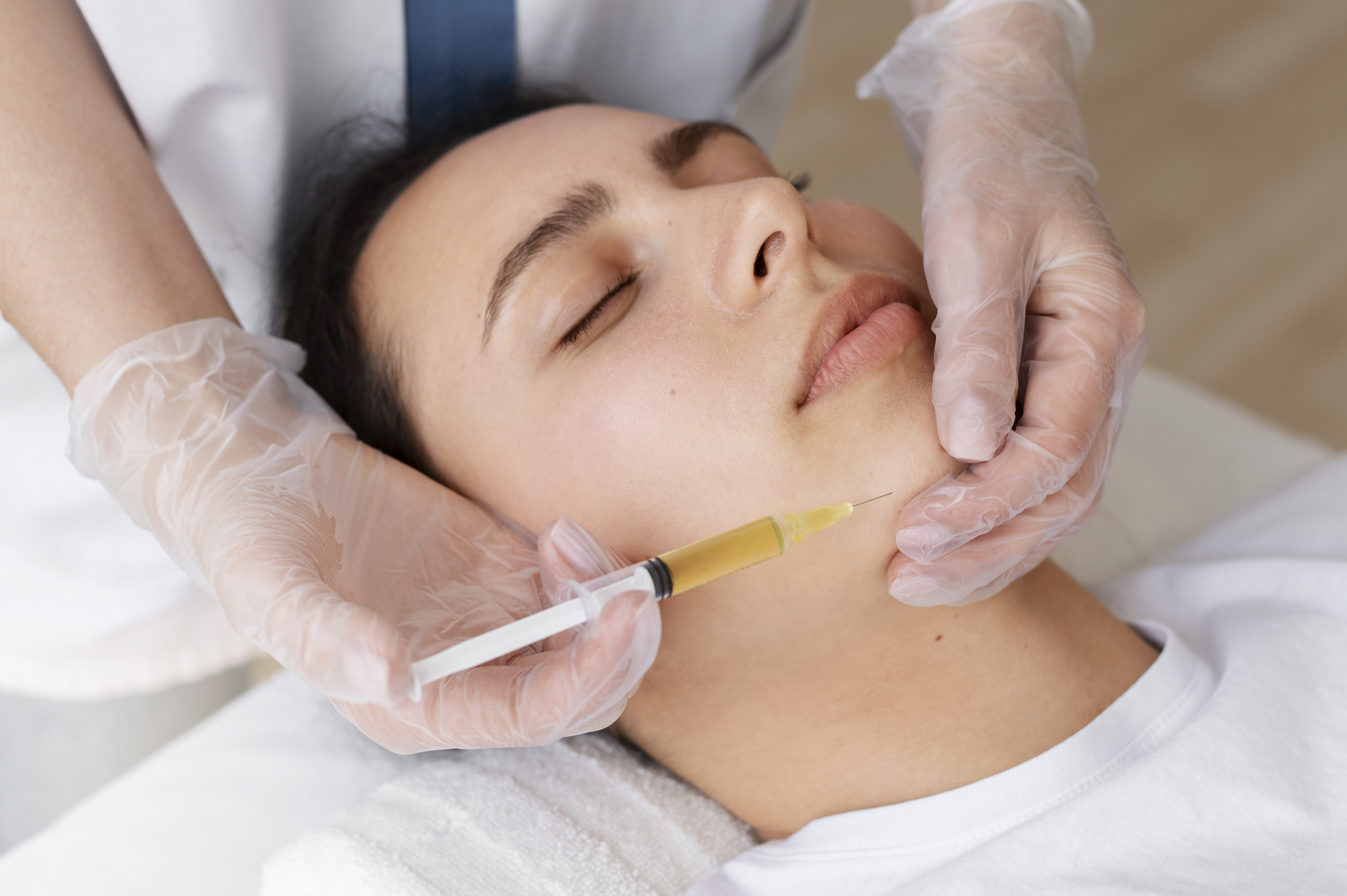
Introduction to PRP and Mesotherapy
What is Mesotherapy?
Mesotherapy, often known as meso injections, is a technique that delivers active ingredients such as HA, vitamins, minerals, peptides, glutathione, or growth factors into the middle layer of the skin.
The main goal of Mesotherapy is to help improve:
- Dry and dehydrated skin
- Dull, tired-looking skin
- Dark spots and uneven skin tone
- Mild skin aging
- Rough or uneven skin texture
The key advantage of Mesotherapy is that it delivers nutrients directly to the area that needs improvement, helping the skin appear more hydrated, radiant, and refreshed after a suitable treatment course.
What is PRP?
PRP stands for Platelet-Rich Plasma. This treatment uses the client’s own blood, which is processed through centrifugation to extract plasma rich in platelets and growth factors.
When PRP is reintroduced into the skin, these natural growth factors help support skin repair, tissue regeneration, collagen production, and overall skin quality from within.
PRP is commonly chosen for:
- Weak or damaged skin that needs recovery
- Acne scars and depressed scars
- Enlarged pores
- Fine lines
- Aging and loss of firmness
- Natural skin rejuvenation
Detailed Comparison Table: PRP vs Mesotherapy
| Criteria | Mesotherapy | PRP |
| Mechanism | Delivers nutrient “cocktails,” vitamins, minerals, and HA into the dermis | Uses centrifuged platelet-rich plasma from your own blood to activate the skin’s natural repair process |
| Core Ingredients | Cosmetic or pharmaceutical active ingredients such as HA, Vitamin C, Glutathione, Growth Factors, Peptides | Platelet-rich plasma and growth factors from the client’s own body |
| Main Purpose | Hydration, brightening, evening skin tone, improving skin surface quality | Deep regeneration, tissue repair, collagen stimulation, acne scar and wrinkle improvement |
| Speed of Results | Often improves faster after several sessions | Results develop gradually, usually more noticeable after 1–3 months |
| Duration of Results | Around 6–8 months depending on skin condition and active ingredients used | Around 12–18 months depending on individual response and treatment plan |
| Safety | High when high-quality, traceable products are used and the procedure is performed correctly | Very high because it uses autologous material, reducing the risk of irritation |
| Estimated Cost | Around 1,300,000–12,000,000 VND/session depending on the active ingredients | Around 2,000,000–5,000,000 VND/session depending on clinic and protocol |
Key Benefits of Mesotherapy
Mesotherapy is suitable for those who want faster improvement in surface-level skin concerns, especially dryness, dullness, and lack of radiance.
Deep Hydration for Dry Skin
Ingredients such as HA help replenish moisture, reduce dryness, and improve rough or dehydrated skin. After a suitable course, the skin may appear smoother, plumper, and more refreshed.
Supports Brighter and More Even Skin Tone
With active ingredients such as Vitamin C, Glutathione, or brightening complexes, Mesotherapy can help improve dullness, post-acne marks, and uneven skin tone.
Faster Surface-Level Improvement
Mesotherapy is often chosen by clients who want relatively quick improvements in skin texture, hydration, and radiance.
Flexible Treatment for Different Skin Concerns
A major advantage of Mesotherapy is that the active ingredients can be customized according to specific skin needs, such as hydration, brightening, anti-aging, pigmentation support, or skin recovery.
Key Benefits of PRP
PRP is suitable for those who want natural skin repair and deeper structural improvement.
Stimulates Natural Collagen Production
PRP uses the body’s own growth factors to activate skin regeneration. Over time, the skin may become firmer, more elastic, and younger-looking.
Supports Acne Scar Improvement
For acne scars, PRP is often included in advanced skin repair protocols to support tissue regeneration and improve uneven skin texture.
Helps Recover Weak or Sensitive Skin
PRP may be a suitable option for skin that is thin, weak, sensitive, or damaged after previous aesthetic procedures.
Lower Risk of Irritation
Because PRP uses autologous material from the client’s own body, it helps reduce concerns about reactions to foreign substances.
Why Choosing the Right Treatment Matters
There is no single best treatment for everyone. The most important factor is choosing the right solution based on your skin condition, improvement goals, and individual response.
Mesotherapy is suitable for quick surface-level improvement
If your skin is dry, dull, tired-looking, or needs a hydration and radiance boost, Mesotherapy may be a suitable choice.
This treatment is especially suitable for those who want to:
- Hydrate the skin quickly
- Brighten the complexion
- Support pigmentation and post-acne mark improvement
- Improve tired-looking skin
- Maintain healthy-looking skin regularly
PRP is suitable for deeper repair and regeneration
If your concerns are deeper, such as acne scars, enlarged pores, weak skin, aging, or collagen loss, PRP may be a better option.
This method is suitable for those who want to:
- Repair the skin from within
- Improve depressed acne scars
- Rejuvenate the skin naturally
- Improve skin firmness
- Reduce the risk of irritation from external active ingredients
You Should Choose Mesotherapy If…
Mesotherapy may be right for you if your skin needs nutrient replenishment and faster surface-level improvement.
Mesotherapy is suitable if:
- Your skin is dry, dehydrated, or lacks glow
- Your skin looks dull and tired
- You have post-acne marks or mild pigmentation
- You want brighter and more even skin tone
- You want customized active ingredients for your skin goals
- You need a flexible, regular skin maintenance treatment
With Mesotherapy, results depend greatly on the quality of the active ingredients, practitioner technique, and personalized treatment plan. Therefore, you should choose a reputable clinic that uses traceable products and professional skin assessment.
You Should Choose PRP If…
PRP is more suitable if you want deeper skin repair and structural improvement.
You should consider PRP if:
- You have acne scars or depressed scars
- You have enlarged pores or uneven skin texture
- Your skin is weak, thin, or needs recovery
- You have fine lines or signs of aging
- You want to stimulate natural collagen production
- You prefer a treatment using your own biological material
PRP does not usually provide instant results after one session. However, when applied with the right indication and aftercare, its regenerative benefits may become more visible over time.
Can PRP and Mesotherapy Be Combined?
In some cases, PRP and Mesotherapy can be combined in a comprehensive skin treatment plan. However, combination treatments should be carefully evaluated by a qualified doctor or skin specialist.
For example:
- PRP can support skin repair and regeneration.
- Mesotherapy can provide hydration, nutrients, and brightening support.
- When combined properly, the skin can benefit from both surface nourishment and deeper recovery.
However, treatments should not be performed too frequently or without professional guidance. The skin needs adequate recovery time between sessions.
Who Is Suitable for These Treatments?
Mesotherapy is suitable for:
- People with dry or dehydrated skin
- People with dull, tired-looking skin
- People with post-acne marks or mild pigmentation
- People who want regular skin maintenance
- People who want smoother and more hydrated skin
- People who want customized ingredients for specific concerns
PRP is suitable for:
- People with acne scars or depressed scars
- People with enlarged pores
- People with weak or thin skin
- People who want natural skin rejuvenation
- People with signs of aging or fine lines
- People who want to reduce the risk of irritation from external ingredients
Important Notes Before PRP or Mesotherapy
To ensure safety and better results, keep the following in mind:
- Have your skin assessed before treatment.
- Do not choose a method only because it is trending.
- Choose a clinic with proper medical standards and sterile procedures.
- Check the origin and quality of Mesotherapy products.
- For PRP, ensure proper blood collection, centrifugation, and sample handling.
- Avoid treatment when the skin has severe inflammation or infection.
- Follow post-treatment care instructions to reduce irritation and support recovery.
FAQ About PRP and Mesotherapy
Which is more effective: PRP or Mesotherapy?
Neither method is universally better for everyone. Mesotherapy is often more suitable for hydration, brightening, and quick surface-level improvement. PRP is more suitable for deeper repair, collagen regeneration, acne scars, and aging concerns.
Is Mesotherapy suitable for pigmentation?
Mesotherapy may support the improvement of dullness, pigmentation, and uneven skin tone when suitable ingredients are used. However, pigmentation is complex and often requires a comprehensive treatment plan.
Can PRP improve acne scars?
PRP is commonly used in skin repair protocols to support acne scar improvement. Results depend on scar severity, individual response, number of sessions, and whether other treatments are combined.
When can I see results from PRP?
PRP usually works gradually. Many people begin to notice changes after several weeks, with clearer improvements within 1–3 months as collagen regeneration progresses.
How long do Mesotherapy results last?
Mesotherapy results may last around 6–8 months depending on the active ingredients, skin condition, individual response, and aftercare.
Conclusion: PRP or Mesotherapy?
If you want to hydrate, brighten, improve dullness, reduce dryness, and achieve faster surface-level improvement, Mesotherapy may be the right choice.
If you want to repair deeper skin damage, improve acne scars, stimulate natural collagen, and achieve longer-term rejuvenation, PRP may be more suitable.
The best approach is to have a professional skin assessment and receive a personalized treatment plan.
Call to Action
Still unsure whether PRP or Mesotherapy is right for your skin?
Book a consultation with a skin specialist to receive a personalized assessment and treatment plan.
Schedule your skin consultation today and choose the most suitable treatment for your skin condition.