


Contents
- 1 Introduction
- 2 What Does “Permanent Melasma Treatment” Really Mean?
- 3 Common Types of Melasma and Why Classification Matters
- 4 Root Causes of Melasma
- 5 Medical Approaches for Melasma Treatment
- 6 Why Personalized Melasma Treatment Matters
- 7 Who Should Seek Professional Evaluation?
- 8 Frequently Asked Questions (FAQ)
- 9 Call to Action (CTA)
Introduction
Melasma is one of the most common pigmentation concerns that can affect confidence due to uneven skin tone and persistent dark patches. However, in reality, there is no universal solution that can permanently eliminate melasma forever.
To treat melasma effectively and achieve long-term improvement, the first and most important step is not choosing the most expensive technology—it is correctly identifying the type of melasma and understanding its underlying causes. Once the pigmentation mechanism is understood and a personalized treatment plan is created, outcomes can improve significantly while reducing the likelihood of recurrence.
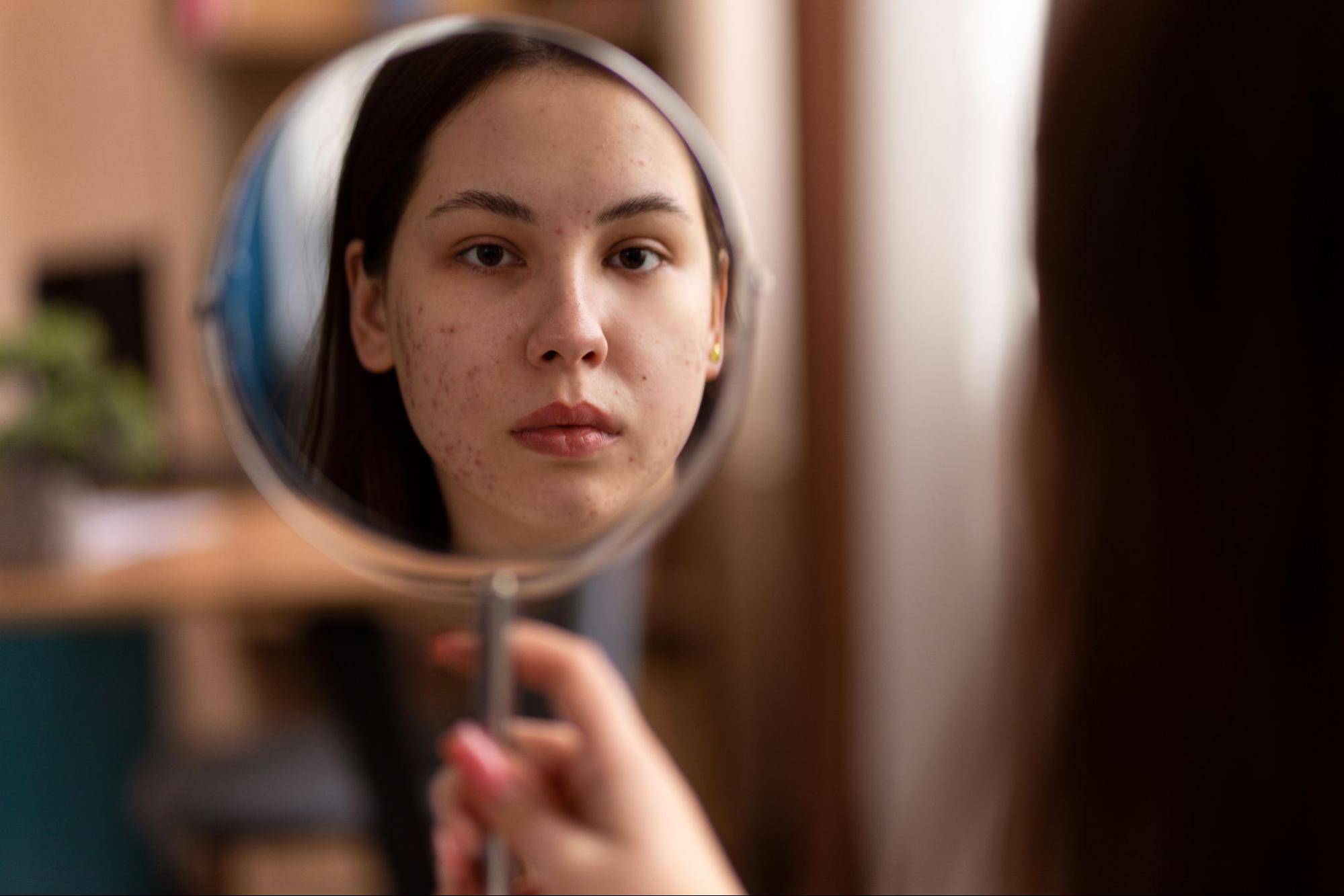
What Does “Permanent Melasma Treatment” Really Mean?
The phrase “permanent melasma treatment” is often misunderstood as completely removing melasma with no chance of recurrence. From a dermatological perspective, however, melasma is a pigmentation condition influenced by multiple factors including hormones, UV exposure, genetics, and aging.
Therefore, the appropriate treatment goals should be:
- Reduce excess Melanin pigmentation
- Control triggers that worsen melasma
- Improve overall skin quality
- Minimize long-term recurrence risk
- Maintain healthy skin after treatment
Successful melasma management typically combines professional treatment, proper home care, and long-term skin protection.
Common Types of Melasma and Why Classification Matters
Not all melasma types respond to treatment in the same way.
Epidermal Melasma
This is one of the most common forms of melasma and is characterized by:
- Large patch-like areas
- Light to medium brown pigmentation
- Frequently appearing on the forehead, cheeks, and around the mouth
- Pigment located mainly in the epidermis (upper skin layer)
Treatment characteristics:
This type generally responds relatively well when treated properly and paired with consistent sun protection.
Dermal Melasma (Deep Melasma)
Typical characteristics include:
- Small, darker pigmented spots
- Scattered distribution or grouped clusters
- Pigmentation extending deeper into the dermis
Treatment characteristics:
This form often requires more time and may benefit from advanced technologies combined with skin recovery protocols.
Mixed Melasma
This is considered the most complex type because it includes both:
- Epidermal melasma
- Dermal melasma
Treatment characteristics:
Requires careful professional evaluation to avoid overtreatment that may trigger post-inflammatory hyperpigmentation.
Root Causes of Melasma
Effective treatment begins with controlling factors that stimulate Melanin production.
Sun Exposure and UV Radiation
UV rays are considered one of the strongest triggers for melasma.
With prolonged exposure:
- Melanocytes increase Melanin production
- Skin becomes darker
- Melasma is more likely to recur after treatment
This is why daily sun protection is essential.
Hormonal Imbalance
Hormonal changes can trigger or worsen melasma, especially during:
- Pregnancy
- Postpartum period
- Perimenopause
- Hormonal medication use
This is commonly associated with hormonal melasma.
Genetics
Genetic factors influence:
- Skin structure
- UV sensitivity
- Pigment production tendency
Individuals with a family history of melasma may have a higher risk.
Additional Contributing Factors
Several factors can make melasma more persistent:
- Chronic stress
- Lack of sleep
- Skin aging
- Inappropriate skincare products
- Overuse of aggressive treatments
- Certain medications affecting pigmentation
Medical Approaches for Melasma Treatment
Modern melasma treatment rarely relies on a single solution.
Topical Prescription Treatments
Dermatologists may recommend active ingredients such as:
- Hydroquinone
- Tretinoin
- Azelaic Acid
- Tranexamic Acid
The goal is to reduce Melanin production and support skin renewal.
Note: Long-term use should only be done under professional supervision.
Laser and Light-Based Technologies
Laser treatments may help by:
- Targeting pigment selectively
- Breaking Melanin into smaller particles
- Supporting natural elimination processes
These technologies are commonly considered for deeper or mixed melasma.
Chemical Peels
Chemical peels work by:
- Removing dead skin buildup
- Stimulating skin renewal
- Improving overall skin tone
Peels should be performed under proper guidance to minimize irritation risk.
Strict Post-Treatment Skin Protection
This step strongly influences long-term results.
Recommendations include:
- Apply broad-spectrum sunscreen daily
- Use sufficient amounts and reapply when needed
- Combine with hats, sunglasses, and physical protection
- Limit excessive sun exposure
Why Personalized Melasma Treatment Matters
There is no one-size-fits-all protocol.
An effective treatment plan should consider:
- Melasma type
- Pigment depth
- Skin sensitivity
- Previous treatment history
- Hormonal status and lifestyle
Treating too aggressively or too quickly may weaken the skin barrier and increase the risk of pigmentation returning.
Who Should Seek Professional Evaluation?
Professional assessment is recommended if:
- Melasma has persisted for more than 3–6 months
- Previous treatments failed or recurrence occurred
- Skin is sensitive or previously reacted to treatments
- Pigmentation continues to darken
- You want to combine treatment with aesthetic technologies
Frequently Asked Questions (FAQ)
Can melasma be completely cured?
Melasma can improve significantly, but maintenance care and sun protection are essential to reduce recurrence.
Can deep melasma be treated?
Yes, but it usually requires more time and a more advanced treatment approach.
How long does it take to see results?
Results vary depending on melasma type and treatment method, typically requiring several weeks to months.
Is sunscreen necessary during treatment?
Yes. Daily sun protection is essential for maintaining treatment outcomes.
Call to Action (CTA)
If you are looking for an effective, safe, and medically guided approach to melasma treatment, start with a professional skin assessment instead of self-treating based on trends.
A personalized treatment plan tailored to your skin condition can help optimize recovery time, reduce recurrence risk, and support healthier, more radiant skin over the long term.
Book your Melasma consultation
Book your Melasma consultation at Oceania Spa & Clinic Ba Son today and experience safe, advanced skin lifting technology for firmer, younger-looking skin.
We are located at the heart of Saigon ward, Ho Chi Minh City.