


Melasma does not only exist on the skin’s surface. In many cases, especially mixed melasma, deep melasma, or treatment-resistant melasma, melanin pigment may be present across multiple skin layers. That is why topical skincare alone or a single treatment technology may not always deliver visible improvement.
This is the reason dermatologists may choose to combine chemical peels and laser treatments in the same melasma treatment plan. Peels help address superficial pigmentation, dead skin buildup, and dull skin tone. Laser treatments work deeper to help break down melanin clusters beneath the skin.
However, this type of treatment plan must be personalized. If performed at the wrong time, with the wrong concentration, or without proper recovery care, the skin may become irritated, weakened, and more prone to post-inflammatory hyperpigmentation, or PIH.
Contents
- 1 What Are Chemical Peels and Laser Treatments for Melasma?
- 2 Should Chemical Peels and Laser Be Combined in One Melasma Treatment Plan?
- 3 Dual-Action Mechanism: Peel for the Surface, Laser for Deeper Pigment
- 4 Benefits of Combining Chemical Peels and Laser for Melasma
- 5 Risks of Combining Chemical Peels and Laser Incorrectly
- 6 Golden Rules for Combining Chemical Peels and Laser Treatments
- 7 Who Is Suitable for a Combined Chemical Peel and Laser Treatment Plan?
- 8 When Should You Avoid Combining Chemical Peels and Laser?
- 9 How to Care for Skin After Chemical Peels and Laser to Reduce Melasma Recurrence
- 10 Why Choose a Personalized Melasma Treatment Plan at Oceania Spa & Clinic Ba Son (Ho Chi Minh)?
- 11 FAQ – Common Questions About Combining Chemical Peels and Laser for Melasma
- 11.1 1. Can chemical peels and laser completely cure melasma?
- 11.2 2. Should I get a chemical peel and laser on the same day?
- 11.3 3. How long after laser can I get a chemical peel?
- 11.4 4. Can chemical peels make melasma worse?
- 11.5 5. Can laser treatment cause hyperpigmentation?
- 11.6 6. Should mixed melasma be treated with multiple methods?
- 11.7 7. Can weak skin undergo chemical peels and laser treatment?
- 12 Get a Personalized Melasma Treatment Plan at Oceania
What Are Chemical Peels and Laser Treatments for Melasma?
Chemical Peels for Melasma
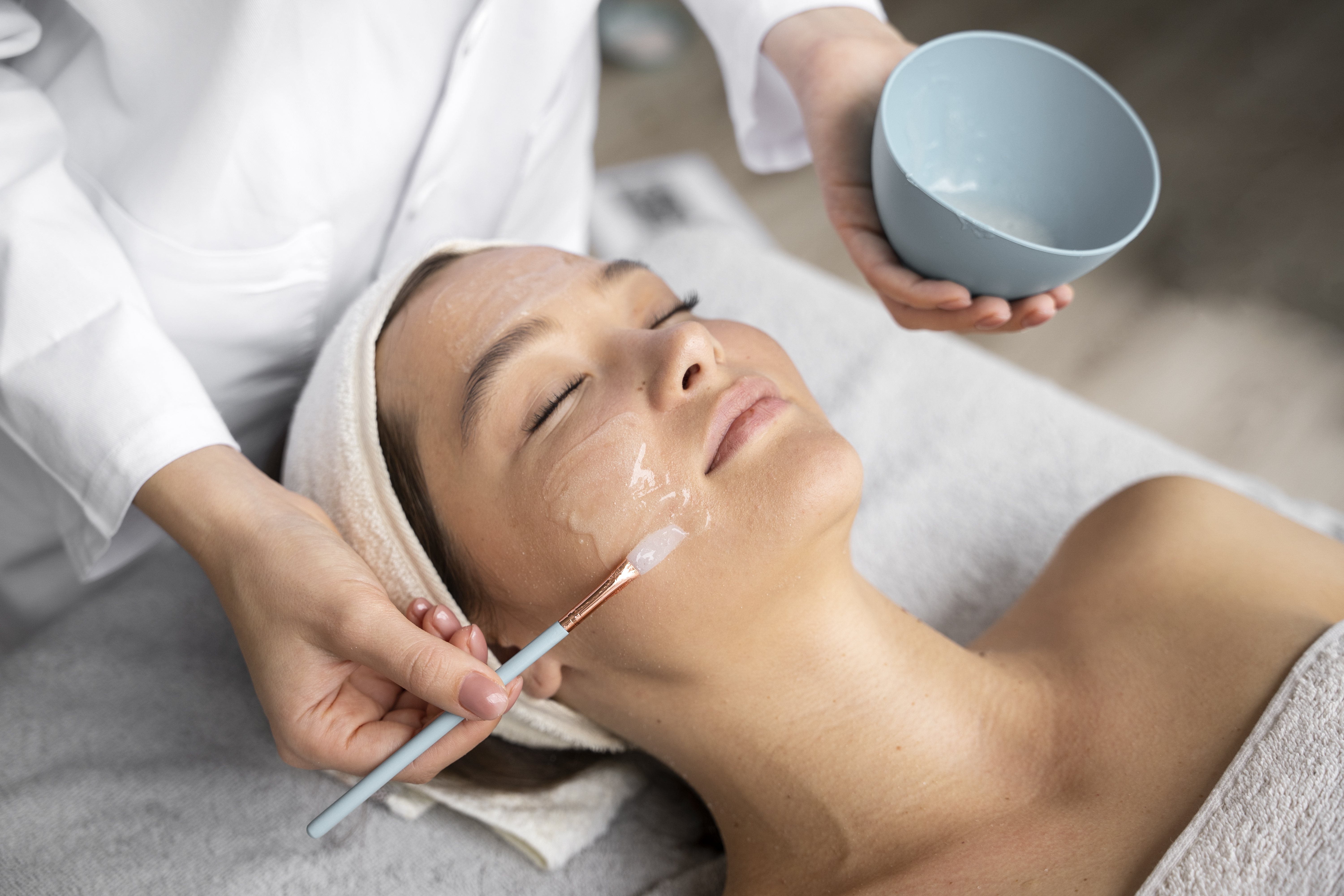
A chemical peel is a skin-resurfacing method that uses acid-based active ingredients such as Glycolic Acid, Salicylic Acid, Mandelic Acid, or TCA at suitable concentrations to remove dead skin cells, exfoliate the outermost layer, and stimulate new skin renewal.
In melasma treatment, chemical peels can help:
- Brighten dull skin.
- Support the removal of superficial epidermal pigmentation.
- Smooth the skin surface.
- Improve pores and overall skin texture.
- Enhance the absorption of brightening and skin-repair ingredients.
Chemical peels are commonly classified by their depth of action: superficial, medium-depth, and deep peels. The deeper the peel, the stronger the effect — but also the higher the risk of irritation or pigmentation complications.
Laser Treatment for Melasma
Laser treatment for melasma uses specific wavelengths of light energy to target melanin pigment in the skin. When absorbed, laser energy helps break pigment clusters into smaller particles, which are then gradually cleared by the body’s natural elimination processes.
Depending on the melasma condition, dermatologists may consider technologies such as Q-switched Nd:YAG, Pico Laser, or fractional laser at appropriate energy settings. Choosing the correct wavelength, parameter, and treatment intensity is essential for safe and effective melasma treatment.
Should Chemical Peels and Laser Be Combined in One Melasma Treatment Plan?
The answer is yes, they can be combined, but they should not be combined casually or without medical guidance.
Combining chemical peels and laser treatments is often suitable for:
- Mixed melasma with both patchy and deep pigmentation.
- Long-standing melasma that responds poorly to skincare products.
- Dull, rough, thickened skin with uneven tone.
- Recurrent melasma.
- People who need a more comprehensive treatment approach instead of targeting only one pigment layer.
In principle, chemical peels work on the surface layer, while lasers target deeper pigment. When combined correctly, the treatment plan can address pigmentation on multiple levels, even out the skin tone, and improve skin texture.
However, Asian skin and pigmentation-prone skin require extra caution. Medium-depth peels, deep peels, or high-energy laser treatments must be carefully controlled to reduce the risk of post-inflammatory hyperpigmentation.
Dual-Action Mechanism: Peel for the Surface, Laser for Deeper Pigment
Chemical Peel: Removing Dead Skin Cells and Surface Pigmentation
In superficial melasma, melanin often accumulates in the epidermis. A chemical peel helps remove dead skin cells containing pigment while encouraging the regeneration of newer, fresher skin cells.
When the stratum corneum is properly renewed, the skin may appear:
- Brighter.
- Smoother.
- More even in tone.
- More responsive to recovery and brightening skincare ingredients.
Laser: Breaking Down Deeper Pigment
For deep melasma or mixed melasma, melanin may not only sit on the surface but also exist in deeper skin layers. Laser energy can selectively target pigment and break melanin clusters into smaller particles for gradual natural clearance.
That is why laser is often considered an important part of advanced melasma treatment plans, especially for stubborn, long-standing, or poorly responsive cases.
Benefits of Combining Chemical Peels and Laser for Melasma
When properly indicated, a combined treatment plan can provide several noticeable benefits.
More Comprehensive Pigment Targeting
Chemical peels address superficial pigmentation and dead skin buildup, while lasers help target deeper pigment. This combination allows the doctor to approach melasma from multiple layers instead of focusing on just one level of the skin.
Improving Pigmentation and Skin Texture at the Same Time
Beyond helping fade melasma, chemical peels can make the skin surface smoother, brighter, and less rough. When paired with laser treatment, the skin may improve in both tone and texture.
Potentially Shorter Treatment Time in Some Cases
For mixed or resistant melasma, combining methods correctly may optimize treatment results compared to using only one technique. However, the timeline still depends on skin condition, melasma severity, aftercare, and sun protection habits.
Better Support for Post-Treatment Skincare
Once dead skin buildup is properly controlled, brightening, repairing, and antioxidant ingredients may work more effectively. This is an important factor in maintaining treatment results and reducing recurrence.
Risks of Combining Chemical Peels and Laser Incorrectly
Chemical peels and lasers are both active skin-intervention methods. If performed too close together or without proper recovery time, the skin may experience complications.
Damage to the Skin Barrier
When the skin barrier is weakened, the skin may become red, burning, dry, tight, flaky, and more sensitive to sunlight. This creates the perfect condition for melasma to return or become darker.
Post-Inflammatory Hyperpigmentation, or PIH
PIH is darkening of the skin after inflammation or injury. Procedures such as peels, lasers, or IPL may help improve pigmentation, but they can also worsen pigmentation if the epidermis is damaged or the skin is overtreated.
Melasma Becoming Darker After Treatment
This is one of the common risks of an incorrect treatment plan. It can result from overly high laser energy, peels that are too strong, insufficient spacing between procedures, or poor sun protection after treatment.
Thin, Weak, and Chronically Irritated Skin
Overusing peels or lasers may reduce the skin’s natural recovery ability. In this condition, the skin not only becomes harder to treat but may also be more prone to breakouts, redness, burning, and cosmetic sensitivity.
Golden Rules for Combining Chemical Peels and Laser Treatments
Avoid Strong Peels and Laser in the Same Session
In most cases, strong chemical peels and laser treatment should not be performed in the same session, unless the doctor is using a very gentle, controlled protocol with a clear recovery-focused purpose.
For most melasma cases, the safer approach is to space out treatments so the skin has enough time to recover.
Follow the Principle of “Treat, Then Recover”
A safer treatment plan usually follows this sequence:
Step 1: The doctor examines the skin, identifies the melasma type, assesses pigment depth, skin thickness, and skin sensitivity.
Step 2: Laser treatment is performed with suitable wavelength and energy settings to help break down deeper pigment.
Step 3: The skin is given around 2–4 weeks to recover, depending on the type of laser, treatment intensity, and individual skin response.
Step 4: A superficial or mild medium-depth chemical peel may be performed once the skin has stabilized, helping remove dead skin cells and improve surface brightness.
Step 5: Results are maintained with skin repair, sun protection, brightening skincare, and recurrence prevention.
Personalize Peel Concentration and Laser Parameters
There is no single protocol that works for everyone. Oily, thicker skin; dry and weakened skin; sensitive skin; and postpartum melasma all require different approaches.
At Oceania Spa & Clinic Ba Son (Ho Chi Minh), doctors assess:
- Melasma type: patchy melasma, deep melasma, or mixed melasma.
- Skin condition: healthy, weakened, sensitive, corticosteroid-damaged, or easily irritated.
- Thickness of the stratum corneum.
- Degree of hyperpigmentation.
- History of previous laser, peel, or topical treatments.
- Ability to follow at-home recovery and sun protection instructions.
From there, the doctor determines the appropriate laser intensity, peel concentration, and treatment interval.
Who Is Suitable for a Combined Chemical Peel and Laser Treatment Plan?
This treatment plan is often suitable for:
- People with multi-layer mixed melasma.
- People with long-standing or recurrent melasma.
- Those who have used melasma skincare products with limited improvement.
- People with dull, thickened, uneven skin tone.
- Those who want to improve melasma, skin texture, and brightness at the same time.
- People who can strictly follow sun protection and recovery care after treatment.
However, not everyone should start immediately. If the skin is inflamed, irritated, peeling, corticosteroid-damaged, or overly sensitive, doctors usually prioritize repairing the skin barrier before using peels or laser technology.
When Should You Avoid Combining Chemical Peels and Laser?
You should delay treatment or consult a doctor carefully if you are experiencing:
- Red, burning, irritated, or inflamed skin.
- Recent chemical peeling, laser treatment, or microneedling.
- Severe flaking or peeling.
- Current use of strong treatments such as Retinol, AHA, or BHA at high concentrations without medical guidance.
- A history of post-inflammatory hyperpigmentation.
- Pregnancy or breastfeeding without medical consultation.
- Corticosteroid-damaged, thin, weak, or visibly vascular skin.
For high-risk skin types, melasma treatment should be gradual, prioritizing recovery and inflammation control before stronger interventions.
How to Care for Skin After Chemical Peels and Laser to Reduce Melasma Recurrence
Melasma treatment cannot be separated from post-treatment skincare. No matter how advanced the technology is, melasma can still recur if the skin is not protected and repaired properly.
Strict Sun Protection
Sun exposure is one of the strongest triggers for melasma. After chemical peels or laser treatment, the skin becomes more sensitive to UV rays, visible light, and heat. You should:
- Use broad-spectrum sunscreen daily.
- Apply enough sunscreen and reapply when needed.
- Protect your skin with a wide-brimmed hat, mask, and sunglasses.
- Avoid intense sunlight, especially from 10 AM to 3 PM.
Restore the Skin Barrier
After treatment, prioritize repairing ingredients such as:
- B5.
- Ceramides.
- Hyaluronic Acid.
- Peptides.
- Soothing botanical extracts.
- Specialized recovery creams.
Avoid Strong Actives Before the Skin Stabilizes
Do not use Retinol, AHA, BHA, TCA, high-strength vitamin C, or strong whitening products immediately after treatment unless instructed by a doctor. Using these ingredients at the wrong time can irritate the skin and make melasma darker.
Why Choose a Personalized Melasma Treatment Plan at Oceania Spa & Clinic Ba Son (Ho Chi Minh)?
The most important part of melasma treatment is not simply choosing between a peel or laser. It is choosing the right method for the right skin condition.
At Oceania Spa & Clinic Ba Son (Ho Chi Minh), combined melasma treatment plans are designed with a medical-oriented approach:
- Skin analysis and pigment assessment before treatment.
- Classification of patchy melasma, deep melasma, and mixed melasma.
- Personalized laser energy based on skin condition.
- Suitable peel concentration to avoid excessive thinning or irritation.
- Recovery phases after each active intervention.
- Skin response monitoring to adjust the treatment plan.
- At-home skincare guidance to help reduce recurrence.
This approach helps make the treatment process safer, more effective, and less likely to trigger post-inflammatory hyperpigmentation.
FAQ – Common Questions About Combining Chemical Peels and Laser for Melasma
1. Can chemical peels and laser completely cure melasma?
Melasma is influenced by sunlight, hormones, genetics, inflammation, and skincare habits. Peels and lasers may significantly improve melasma, but maintaining results requires proper sun protection, skin recovery, and ongoing care.
2. Should I get a chemical peel and laser on the same day?
Usually, no — especially if your skin is sensitive or your melasma is long-standing. These two methods should be spaced appropriately so the skin has time to recover.
3. How long after laser can I get a chemical peel?
In general, the skin may need around 2–4 weeks, depending on the laser type, energy level, skin condition, and recovery speed. The doctor should decide the timing after directly assessing your skin.
4. Can chemical peels make melasma worse?
Yes, they can if the peel is too strong, the concentration is unsuitable, or sun protection is poor. For pigmentation-prone skin, chemical peels must be performed carefully and should be medically supervised.
5. Can laser treatment cause hyperpigmentation?
Yes, it can happen if the laser settings are incorrect, the energy is too high, or post-laser care is not done properly. That is why laser treatment for melasma must be personalized for each skin type.
6. Should mixed melasma be treated with multiple methods?
Yes. Mixed melasma often exists across several skin layers, so it may require a combination of laser, peels, topical treatment, skin recovery, and sun protection. However, the protocol must be carefully controlled to avoid irritation.
7. Can weak skin undergo chemical peels and laser treatment?
Weak skin usually needs to be repaired first. Once the skin barrier becomes more stable, the doctor may consider gentle peels or laser settings suitable for that skin condition.
Get a Personalized Melasma Treatment Plan at Oceania
If you are wondering whether chemical peels and laser treatments should be combined for melasma, the most important step is to identify exactly what type of melasma you have and whether your skin is healthy enough for active treatment.
At Oceania Spa & Clinic Ba Son (Ho Chi Minh), doctors will analyze your skin, assess your skin barrier, and design a personalized melasma treatment plan for patchy melasma, deep melasma, mixed melasma, postpartum melasma, or treatment-resistant melasma.
Book a consultation with a dermatologist at Oceania today to receive a safe, scientific, and personalized melasma treatment roadmap for your skin.