


Contents
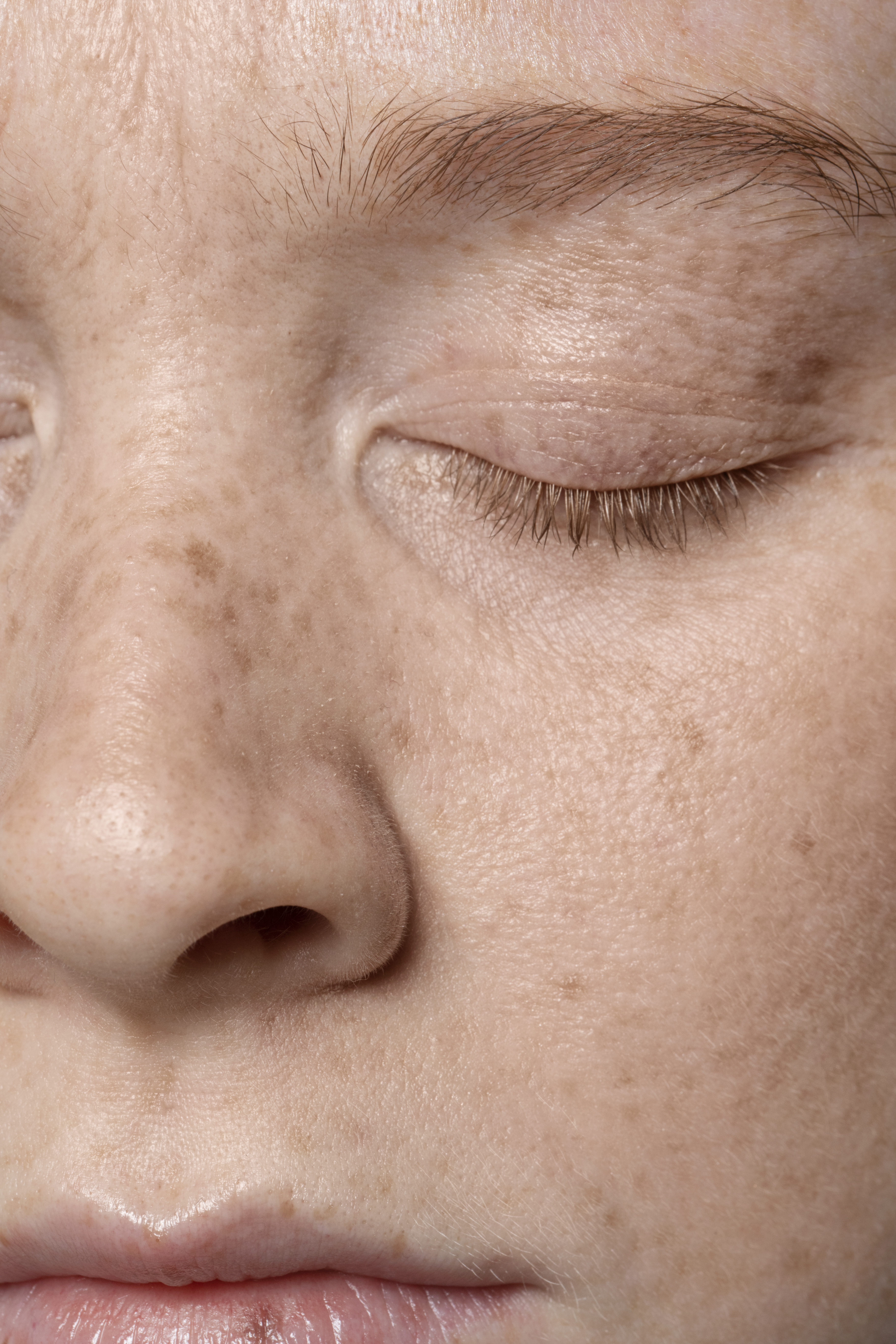
What Is Melasma?
Melasma is a common pigmentation condition that appears as brown or darker patches, most often on the face.
It can be influenced by several factors, including sun exposure, hormonal changes, genetics and skin irritation.
One reason melasma can be challenging to manage is that pigmentation may involve different levels within the skin. Therefore, simply using brightening skincare or relying on one treatment may not always provide stable results.
At Oceania, Pico Laser and Nd:yag Laser are among the technologies presented for pigmentation concerns such as melasma, freckles and brown spots. Pico Laser uses extremely short pulses to target pigment particles, while Nd:yag technology can be used for pigmentation at different depths.
1. Why Does Melasma Require Long-Term Management?
One of the most common misconceptions is expecting melasma to disappear completely after only one or two treatments.
Melasma can recur when triggering factors remain present. Sun exposure, hormonal changes, heat, irritation and inappropriate skincare may all contribute to pigmentation recurrence.
Therefore, successful melasma management should focus on:
- Identifying the type and severity of pigmentation.
- Choosing an appropriate Laser approach.
- Controlling skin response during treatment.
- Supporting the skin barrier.
- Maintaining sun protection.
- Monitoring the skin and adjusting the treatment plan when necessary.
The goal is not simply to make the skin lighter quickly, but to manage pigmentation safely and consistently.
2. The Dual Approach: Laser + Meso
Laser – Targeting Pigmentation
Laser technology plays an important role in the management of pigmentation concerns.
Oceania presents Pico Laser as a technology using ultra-short pulses to break pigment particles into smaller fragments, supporting their gradual clearance. It is used for pigmentation concerns including melasma, freckles and uneven skin tone.
Oceania also offers Nd Laser technologies for pigmentation and brown spots.
The key point is that Laser parameters should not be identical for every patient.
Laser treatment should be adjusted according to pigmentation, skin condition and individual response.
Meso – Supporting Skin Recovery
While Laser focuses on pigmentation, Meso may be incorporated to support hydration, skin comfort and overall skin quality when clinically appropriate.
Oceania presents mesotherapy solutions designed to improve hydration, elasticity and skin condition, with treatment frequency adjusted according to individual skin needs.
Meso should not be presented as an instant “melasma eraser.”
Instead, when appropriately prescribed, it may support the skin environment and recovery throughout a pigmentation treatment plan.
Laser + Meso: Complementary Roles
Simply put:
Laser → targets pigmentation.
Meso → supports hydration, recovery and skin quality.
This combination allows the treatment plan to focus not only on reducing visible pigmentation but also on maintaining healthier-looking skin.
3. A Medical-Standard Melasma Treatment Process at Oceania
Step 1: Doctor Assessment
Before treatment, the doctor evaluates:
- Pigmentation pattern.
- Depth and severity of pigmentation.
- Skin barrier condition.
- Sensitivity.
- Previous treatments.
- Factors that may contribute to recurrence.
Not every brown patch is melasma.
Freckles, post-inflammatory hyperpigmentation and other pigmentation conditions may require different approaches.
Step 2: Selecting the Appropriate Laser
Depending on the skin condition, the doctor may consider Pico Laser or Nd Laser.
Oceania lists technologies including Pico Max and Smartrion Q Premium, alongside other Pico and Nd systems for pigmentation treatment.
The goal is not to use the highest possible energy.
A well-designed treatment plan balances pigmentation control with the skin’s ability to recover.
Step 3: Adding Meso When Appropriate
After or between Laser sessions, the doctor may consider Meso to support hydration, soothing and recovery.
Oceania’s mesotherapy programs are adjusted according to individual skin condition rather than applying one fixed schedule to everyone.
Step 4: Post-Treatment Care
Melasma management does not end when the patient leaves the clinic.
Sun protection, appropriate skincare and following the doctor’s aftercare instructions are essential for minimizing pigmentation triggers.
The doctor may also adjust treatment intensity or session intervals according to the skin’s response.
OCEANIA – MELASMA TREATMENT STARTS WITH THE RIGHT ASSESSMENT
Doctor-Led Assessment
Oceania’s approach emphasizes evaluating the skin before selecting technology. This is particularly important for melasma because pigmentation patterns and skin sensitivity vary from person to person.
Professional Laser Technology
Oceania’s technology portfolio includes Pico Laser and Nd Laser systems for pigmentation concerns.
Specific certifications should always be verified according to the exact device and model being used.
Personalized Treatment Planning
Oceania focuses on combining assessment – technology selection – treatment adjustment – aftercare, rather than applying the same Laser protocol to every patient.
This approach is especially relevant for clients with Asian or Vietnamese skin, which may be more prone to pigmentation changes after irritation.
English–Vietnamese Support
For international clients living in or visiting Vietnam, Oceania provides English–Vietnamese support during consultation and aftercare, making it easier to understand the treatment plan and communicate concerns.
FAQ – Laser & Meso for Melasma
Can Laser completely remove melasma after one treatment?
It is generally unrealistic to expect complete removal after one session. Melasma can recur and usually requires an individualized, long-term management strategy.
Can Meso replace Laser for melasma?
No. They have different roles. Laser primarily targets pigmentation, while Meso may support hydration, recovery and overall skin quality when appropriate.
Can melasma return after Laser treatment?
Yes. Melasma can recur, especially when the skin continues to be exposed to UV radiation or other pigmentation triggers. Consistent sun protection is essential.
Is Pico Laser suitable for melasma?
Pico Laser is used for pigmentation concerns including melasma, freckles and brown spots. However, the appropriate Laser and treatment parameters depend on the individual’s skin condition.
How does melasma treatment at Oceania begin?
Treatment should begin with a professional assessment of pigmentation and skin condition before the doctor recommends the appropriate technology and treatment plan.
CONCLUSION
Laser + Meso is not an instant melasma-removal formula. It is a complementary approach that combines pigmentation targeting with skin-quality support.
Laser can target pigmentation, while Meso may support hydration and recovery when clinically appropriate.
At Oceania, treatment is designed around the right condition, the right technology and the right level of intervention, supported by doctor assessment and professional pigmentation technologies.
If you are struggling with melasma, rather than choosing a Laser or Meso treatment based only on advertising, start with a professional assessment to determine what type of pigmentation you have and which treatment approach is most appropriate.
Oceania Pico Laser Pigmentation Treatment
Oceania Ba Son – Ho Chi Minh City
SH06 – Aqua 3, Vinhomes Golden River, 2 Ton Duc Thang Street, Ho Chi Minh City.
Hotline: 086 609 0369.