


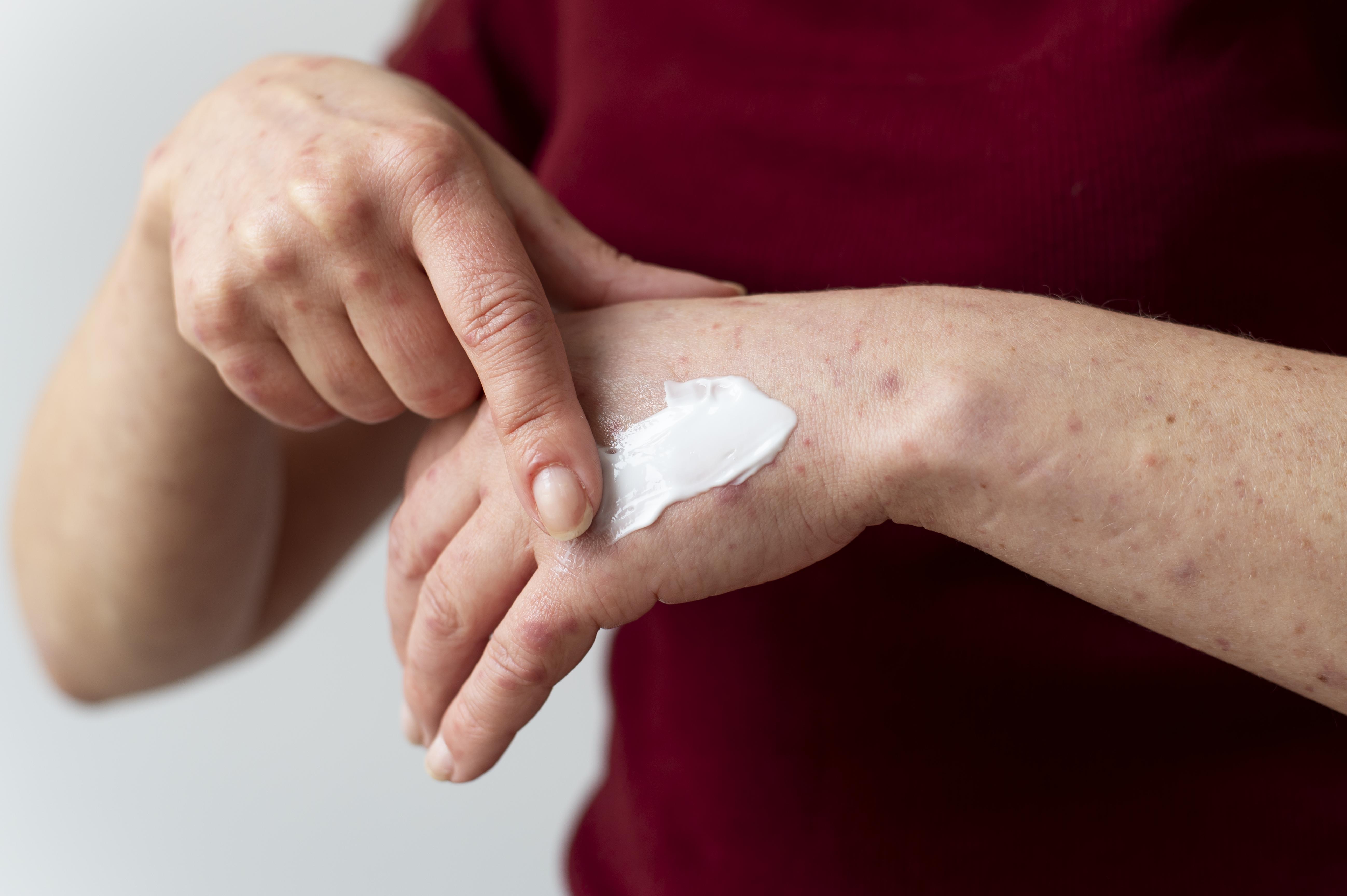
Has your skin become thin, red, sensitive and increasingly prone to visible small blood vessels after using strong whitening creams or undergoing an aggressive peel?
When the skin’s protective barrier becomes weakened, simply applying more skincare may not be enough to restore its overall quality. This is why PRP skin regeneration has attracted attention as an approach that may support the skin’s natural repair process and collagen activity.
At Oceania Spa & Clinic, PRP is not treated as a one-size-fits-all procedure. Each treatment is guided by an assessment of the client’s skin condition, goals and individual needs.
Contents
- 0.1 What Is Thin, Red Skin Caused by Steroid Creams?
- 0.2 Why Does Damaged Skin Need Structural Recovery?
- 0.3 How Can PRP Support Thin, Damaged Skin?
- 0.4 Does PRP Immediately Make Thin Skin Thicker?
- 0.5 Can PRP Be Considered for Steroid- or Peel-Damaged Skin?
- 0.6 PRP Skin Regeneration at Oceania
- 0.7 When Should You Consider Skin Recovery Treatment?
- 0.8 FAQ – PRP for Thin, Red Skin
- 1 GIVE DAMAGED SKIN THE RIGHT CONDITIONS TO RECOVER
What Is Thin, Red Skin Caused by Steroid Creams?
“Steroid-damaged skin” is commonly used to describe skin that becomes fragile, thin, red and more sensitive after inappropriate or prolonged use of corticosteroid-containing products.
In some cases, corticosteroid misuse may be associated with skin thinning and more visible small blood vessels. Similarly, excessive chemical peeling may weaken the skin’s natural protective barrier.
You may notice:
- Persistent redness.
- More visible small blood vessels.
- Burning or stinging.
- Dryness and tightness.
- Increased sensitivity.
- Reduced tolerance to aesthetic treatments.
When these signs appear, the goal should not simply be to use a stronger treatment. Instead, the skin needs an appropriate recovery strategy.
Why Does Damaged Skin Need Structural Recovery?
Healthy skin depends on more than its outer surface. Beneath the surface is a supportive structure that helps maintain firmness, elasticity and the skin’s ability to recover.
When the skin is repeatedly damaged or irritated, this underlying structure may also be affected. Therefore, recovery should focus not only on hydration or surface appearance but also on supporting the skin’s natural repair process.
This is one reason PRP is being explored as part of skin-regeneration treatments.
How Can PRP Support Thin, Damaged Skin?
Platelet-Rich Plasma (PRP) is prepared from the client’s own blood. After processing, the platelet-rich plasma is used during treatment to support the body’s natural tissue-repair process.
One of the key features of PRP is the presence of naturally occurring growth factors. Among them, PDGF and TGF-beta are involved in processes associated with tissue repair and collagen production.
In simple terms, PRP can be viewed as a treatment designed to support the skin’s own ability to repair itself. These growth factors may support tissue recovery and collagen activity, helping improve the underlying quality of the skin over time.
As the skin’s structural quality improves, it may gradually become more resilient and better able to maintain its natural moisture balance.
Does PRP Immediately Make Thin Skin Thicker?
No.
PRP is not a dermal filler and does not create artificial volume underneath the skin. Therefore, it should not be expected to immediately make thin skin thicker or eliminate redness after a single session.
The purpose of PRP is different. It is designed to support gradual tissue recovery and regeneration.
As the body’s repair processes continue and collagen activity develops over time, skin quality may gradually improve. The response varies depending on the condition of the skin, individual biology, aftercare and the treatment plan selected by the doctor.
Can PRP Be Considered for Steroid- or Peel-Damaged Skin?
PRP may be considered when the treatment goal is to support skin quality, tissue recovery and the underlying structure of the skin.
However, not every case of thin, red skin should receive PRP immediately.
If the skin is actively inflamed, infected or severely irritated, or if the damaging product is still being used, addressing the underlying problem should come first.
For sensitive skin affected by inappropriate corticosteroid use or excessive peeling, a stronger treatment is not necessarily a better treatment. A professional assessment is therefore important before choosing the next step.
PRP Skin Regeneration at Oceania
At Oceania Spa & Clinic, PRP follows a doctor-led, personalized and closed treatment process, with assessment before treatment and appropriate follow-up afterward.
Rather than focusing only on the injection itself, the doctor considers the client’s current skin condition, sensitivity, goals and previous aesthetic treatments. The treatment plan can then be adjusted according to the individual’s needs.
This approach is particularly important for fragile skin because the most appropriate treatment is not always the strongest one.
Oceania also emphasizes the use of authentic equipment, technologies and products, with applicable devices and products meeting international standards such as FDA and CE, depending on the specific product or technology.
For international clients looking for PRP skin treatment in Vietnam, Oceania also provides English–Vietnamese support, making consultation, treatment information and aftercare instructions easier to understand.
When Should You Consider Skin Recovery Treatment?
If your skin has become thin, red, easily irritated or visibly vascular after using steroid creams, inappropriate whitening products or undergoing an aggressive peel, avoid adding more intensive treatments without professional assessment.
A consultation can help determine the current condition of your skin and whether PRP is appropriate or whether the skin should first focus on barrier recovery.
At Oceania, treatment plans are developed according to individual skin conditions rather than a fixed formula, giving clients a more structured approach to long-term skin recovery.
FAQ – PRP for Thin, Red Skin
Can PRP restore steroid-damaged skin?
PRP may support tissue repair and skin-quality improvement, but results vary from person to person. Skin affected by corticosteroid misuse should be professionally assessed before treatment.
Can PRP remove visible broken capillaries?
PRP primarily focuses on supporting skin recovery and quality. It is not a dedicated treatment for visible capillaries, so additional assessment may be needed.
Can PRP be performed on very red, sensitive skin?
It should not be decided without professional assessment. If the skin is actively inflamed or severely irritated, the doctor should determine whether treatment is appropriate.
Is PRP the same as dermal filler?
No. PRP is prepared from the client’s own blood and supports regenerative processes, while dermal fillers are injectable materials used primarily to restore or create volume.
How long does it take to see improvement?
Skin recovery develops gradually and depends on individual response, skin condition and the selected treatment plan. Progress is therefore usually assessed over time rather than immediately after treatment.
GIVE DAMAGED SKIN THE RIGHT CONDITIONS TO RECOVER
Thin, red and sensitive skin after inappropriate steroid creams or aggressive peeling needs a more thoughtful approach. Instead of repeatedly searching for stronger treatments, identifying the condition of the skin and supporting its natural recovery may provide a more appropriate direction.
At Oceania Spa & Clinic, PRP follows a doctor-led and personalized treatment approach, supported by a closed process and authentic technologies, equipment and products that meet applicable international standards.
Book a doctor-led consultation at Oceania to have your skin professionally assessed and receive a personalized recovery plan.
Oceania Spa & Clinic
Website: Oceania.vn
Hotline: (+84) 36 637 0508
International Client Support: English – Vietnamese