


Contents
- 1
- 2 What Treatments Should Be Combined for More Effective Melasma Treatment?
- 3 Why Should Melasma Treatment Not Focus Only on Laser?
- 4 1. Laser Treatment – Directly Targeting Pigmentation
- 5 2. Skincare – Supporting the Skin Between Treatments
- 6 3. Sun Protection – One of the Most Important Steps
- 7 4. Managing Heat and Other Pigmentation Triggers
- 8 5. Supportive Treatments – When Are They Needed?
- 9 Multimodal Melasma Treatment at Oceania
- 10 Why Doesn’t Oceania Use One Melasma Protocol for Everyone?
- 11 Oceania’s USP – What Makes the Clinic Different?
- 12 How Long Does Melasma Treatment Take?
- 13 Should Foreigners Living in Vietnam Consider Laser Treatment for Melasma?
- 14 Conclusion
- 15 FAQ – Frequently Asked Questions
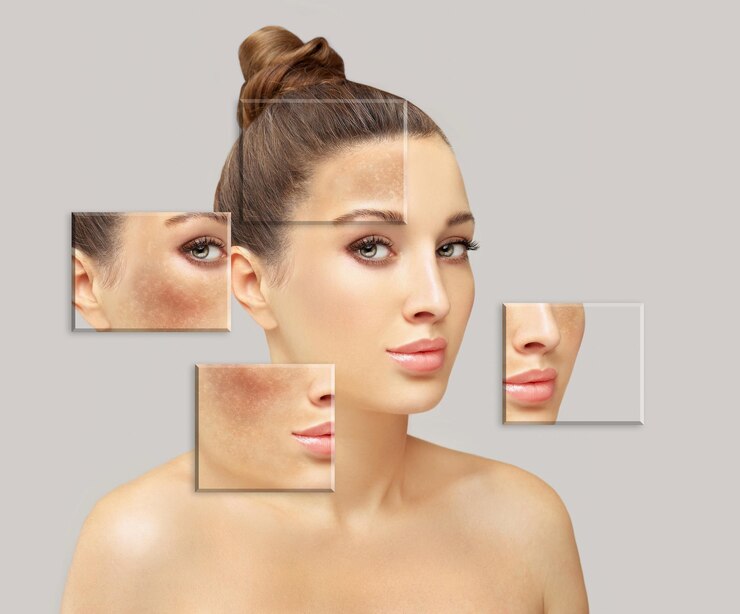
What Treatments Should Be Combined for More Effective Melasma Treatment?
Melasma can be challenging to manage because it is not simply a matter of excess pigment sitting on the skin’s surface.
It may be influenced by multiple factors, including:
- UV exposure.
- Hormonal changes.
- Heat.
- Inflammation.
- Genetics.
- Skin barrier condition.
- Skincare habits.
For this reason, using only one treatment may not always provide comprehensive control.
Modern melasma management increasingly takes a multimodal approach, combining appropriate treatments to improve existing pigmentation while addressing factors that may contribute to recurrence.
At Oceania, physicians assess the patient’s skin before developing a personalized plan rather than applying the same melasma protocol to everyone.
Why Should Melasma Treatment Not Focus Only on Laser?
Laser technology can play an important role in many pigmentation treatment plans.
However, reducing existing melanin while ignoring pigmentation triggers may not provide long-term control.
For example:
Laser → targets pigmentation
while:
UV + heat + hormones + inflammation + inappropriate skincare → may continue stimulating pigmentation.
This is why a comprehensive treatment strategy may require several layers of management.
1. Laser Treatment – Directly Targeting Pigmentation
Depending on the patient’s condition, a physician may consider appropriate laser technology.
Pico Laser
Pico Laser delivers ultra-short laser pulses that can target pigmentation.
In appropriate cases, it may be incorporated into a treatment plan to support:
- Brown spot reduction.
- Hyperpigmentation improvement.
- More even skin tone.
- Brightening of darker areas.
However, Pico Laser is not the only option for every type of melasma.
Laser settings and treatment selection should be based on melasma type, skin tone, pigment depth and the patient’s risk of post-inflammatory hyperpigmentation.
2. Skincare – Supporting the Skin Between Treatments
Laser can target pigmentation, but daily skincare plays an important role in keeping the skin stable.
A suitable routine may focus on:
- Gentle cleansing.
- Hydration.
- Supporting the skin barrier.
- Physician-recommended active ingredients.
- Minimizing irritation.
Patients should avoid using multiple aggressive pigmentation products at the same time without professional guidance.
Skin irritation can increase inflammation and, in some cases, contribute to worsening pigmentation.
3. Sun Protection – One of the Most Important Steps
Treating melasma while continuing significant sun exposure without adequate protection can reduce the effectiveness of a treatment plan.
UV radiation can stimulate melanin production.
Patients should:
- Use appropriate sunscreen.
- Reapply when necessary.
- Wear protective clothing or accessories outdoors.
- Reduce direct sun exposure during peak UV hours.
For patients living in Vietnam, sun protection deserves particular attention because of the country’s tropical climate and significant UV exposure.
4. Managing Heat and Other Pigmentation Triggers
UV radiation is not the only factor worth considering.
Heat may also be relevant for some people with melasma.
Factors such as:
- Hot environments.
- Prolonged sun exposure.
- Heat-generating activities.
- Irritating skincare procedures.
may need to be considered as part of an overall management strategy.
This is why physicians should understand the patient’s lifestyle and living environment, not simply assess the pigmentation visible on the face.
5. Supportive Treatments – When Are They Needed?
Not every patient needs multiple technologies.
Depending on the individual case, a physician may consider supportive treatments such as:
- Mesotherapy with appropriate active ingredients.
- Medical-grade chemical peels.
- Skin barrier recovery treatments.
- Professional facial care.
- Other pigmentation-support technologies.
Combining treatments should be based on individual indications and skin condition.
More treatments do not automatically mean better results.
Multimodal Melasma Treatment at Oceania
A personalized multimodal plan may be structured in several stages.
Stage 1 – Assessment
The physician evaluates:
- Type of pigmentation.
- Melasma severity.
- Pigment depth.
- Skin tone.
- Skin barrier condition.
- Previous treatments.
- Risk of post-inflammatory hyperpigmentation.
Stage 2 – Stabilizing the Skin
The first priority may be to improve skin stability before introducing stronger treatment approaches.
Stage 3 – Targeting Pigmentation
Depending on the case, the physician may select Pico Laser or another appropriate treatment.
Stage 4 – Maintenance
Home skincare, consistent sun protection and maintenance sessions may be incorporated when appropriate.
The goal is not simply to make melasma lighter, but also to help manage factors associated with recurrence.
Why Doesn’t Oceania Use One Melasma Protocol for Everyone?
Melasma can look very different from one patient to another.
One patient may primarily have epidermal melasma.
Another may have mixed melasma or post-inflammatory pigmentation.
Some patients may also have sensitive skin and a higher risk of post-inflammatory hyperpigmentation.
At Oceania, the physician may evaluate:
- Skin type.
- Fitzpatrick skin type.
- Pigmentation pattern.
- Skin sensitivity.
- Previous treatments.
- Sun protection habits.
- Current skincare routine.
- Aesthetic goals.
The treatment plan can then be adjusted accordingly.
Oceania’s USP – What Makes the Clinic Different?
Physician-Led Consultation
Treatment begins with professional skin assessment rather than selecting a service simply by its name or relying solely on photographs.
Personalized Treatment Plans
Oceania offers multiple technologies and treatment approaches for pigmentation. The physician selects the most appropriate option based on the patient’s actual needs.
Traceable Professional Equipment and Products
Oceania emphasizes professional equipment and products with identifiable information. Certain technologies at the clinic may meet international standards such as FDA (United States) or CE (European Union) depending on the specific device.
Medical-Standard Treatment Process
The treatment pathway follows:
Assessment → Diagnosis → Personalized Plan → Treatment → Monitoring → Aftercare
Ongoing Monitoring
The physician can evaluate the skin’s response throughout treatment and adjust the plan when necessary.
International Patient Support
Oceania provides English-speaking support, making the consultation, treatment and aftercare process easier for expats and international patients living in Vietnam.
How Long Does Melasma Treatment Take?
There is no universal timeline.
Treatment response depends on:
- Type of melasma.
- Pigmentation severity.
- Pigment depth.
- Underlying causes.
- Age.
- Skin tone.
- Individual response.
- Sun protection habits.
- Skincare routine.
Some patients may notice improvements in overall skin tone relatively early, while long-standing or complex melasma may require a longer-term management plan.
Importantly, increasing treatment intensity simply to achieve faster results is not necessarily better.
Should Foreigners Living in Vietnam Consider Laser Treatment for Melasma?
They may, if the treatment is clinically appropriate.
International patients living in Vietnam may experience:
- Strong sunlight.
- High temperatures.
- High humidity.
- A different climate from their home country.
These environmental factors can influence pigmentation and skincare needs.
At Oceania, international patients can receive English-language support and a treatment plan based on their skin type, lifestyle, environment and individual goals.
Conclusion
Effective melasma management does not necessarily mean using as many technologies as possible. The key is selecting the right treatments and combining them appropriately.
A multimodal treatment plan may include:
Laser/Pico Laser + skincare + sun protection + trigger management + supportive treatments when appropriate.
At Oceania, physicians directly assess each patient and develop a personalized treatment plan based on pigmentation type, skin condition and expected response.
If you are searching for Melasma Treatment Vietnam, Pigmentation Treatment Vietnam or a Melasma Clinic in Ho Chi Minh City, starting with a professional assessment can help determine the most appropriate treatment strategy for your skin.
FAQ – Frequently Asked Questions
Does melasma always require laser treatment?
No. Laser is only one of several possible treatment options. The physician will determine the most appropriate approach based on the patient’s condition.
Can Pico Laser be combined with skincare?
Yes. Skincare and sun protection play important roles in supporting and maintaining pigmentation treatment results.
Does combining more treatments make melasma disappear faster?
Not necessarily. Combining too many treatments may increase irritation. Treatment should be personalized and medically supervised.
Can melasma come back after treatment?
Yes. Melasma can recur if factors such as UV exposure, hormones, heat or inappropriate skincare continue to stimulate pigmentation.
Can foreigners receive melasma treatment at Oceania?
Yes. Oceania welcomes international patients and provides English-speaking support throughout consultation, treatment and aftercare.